Portugal's Media Regulator Took 58 Complaints About the Presidential Election and Found the Debate Rules Do Not Fit a One-Person Race
Forty-six of the 58 came from members of the public, and television debates drove eighteen of them. The 2015 law measures a candidacy by its last result, which a presidential candidate does not have.
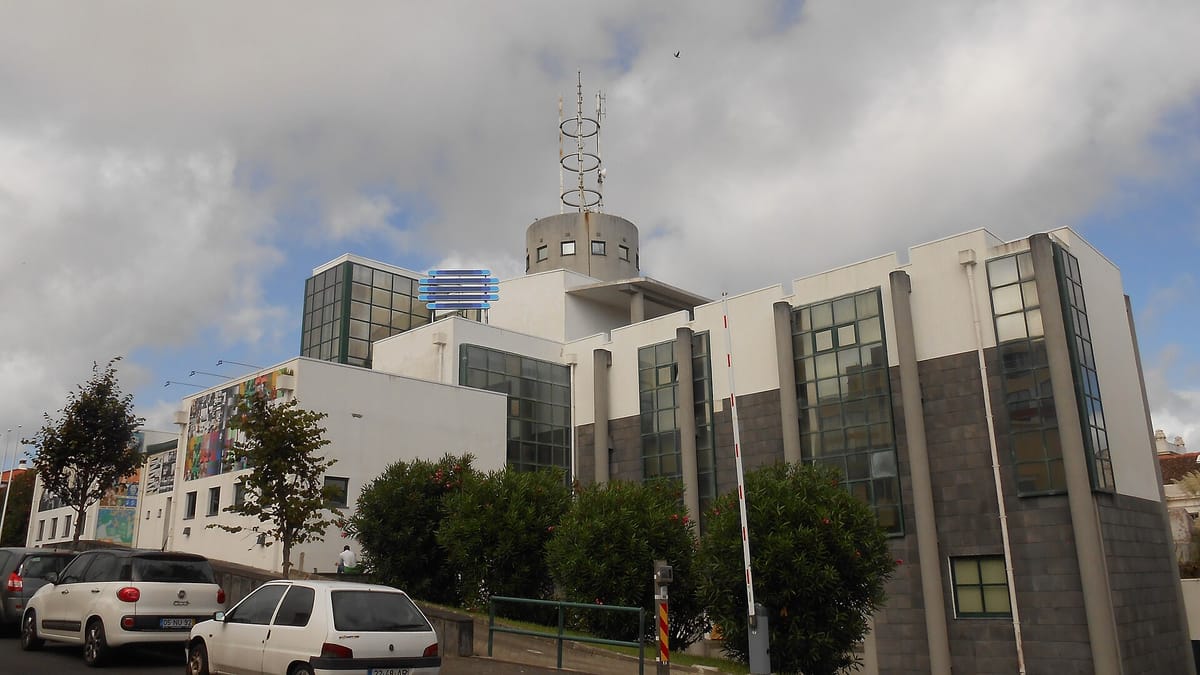
Portugal's media regulator opened 58 separate procedures over coverage of this year's presidential election, and has published a report saying that the law governing that coverage does not fit the kind of election it was applied to.
The Entidade Reguladora para a Comunicacao Social set out the count in a report released on Tuesday, Presidenciais 2026: A Atividade Deliberativa da ERC no ambito de procedimentos sobre Eleicoes Presidenciais, covering both rounds of the contest.
Who complained
Of the 58 procedures, 46 were submissions from members of the public. Eight were complaints lodged by representatives of the candidacies themselves, one came from a media organisation, and three the regulator started on its own initiative.
Those 58 produced 18 deliberations by the Conselho Regulador, the ERC's decision-making body, and 34 summary analyses. Within a month of the vote, the regulator says, it had dealt with every complaint and 82.6 percent of the public submissions.
Television debates dominated. They account for 18 of the procedures, six complaints and twelve public submissions, which yielded eight deliberations and ten summary analyses. The questions raised were about which candidacies broadcasters chose to include in televised debates, how operators coordinated in organising those formats, and who carries editorial responsibility when a broadcaster transmits a debate organised by somebody else.
The problem with the law
The substantive finding concerns Lei n.º 72-A/2015, which governs journalistic coverage during an election period. The ERC reports difficulties applying it to a presidential race, and specifically in assessing the "political and social representativeness" of candidacies for the purpose of deciding who belongs in a debate.
The law ties that test to the results obtained at the previous election to the same body. For a parliamentary election that is a workable measure: a party's last score is a matter of record. A presidential election is single-member and the candidates stand as individuals, so there is no equivalent previous result to read.
There is a timing problem on top of it. Part of the election period runs before the final list of admitted candidates has been definitively settled, which means broadcasters are making inclusion decisions about a field that is not yet fixed.
The regulator's answer is interpretative rather than legislative. The rules on debates, it says, should be read in light of the nature of a presidential election and the duty to promote informational pluralism, reconciling the editorial autonomy of broadcasters with treatment of the candidacies that is "globally balanced and proportional".
The eve of the vote, and who polices it
The report flags a second unsettled area: what media may publish about the election on the day before the vote and on polling day itself. Two questions arise there. One is where journalism ends and electoral propaganda begins. The other is jurisdictional, namely how the ERC's powers divide from those of the Comissao Nacional de Eleicoes.
Both are questions the regulator is raising rather than answering, which is the point of publishing a report of this kind. The recommendations land with a Parliament that would have to amend the 2015 law, and they land now rather than during the next campaign, which is presumably the intention.