Driving Over 180 km/h Could Become a Crime in Portugal's New Highway Code, as the Government Revives the GNR Traffic Brigade
Interior Minister Luís Neves says Portugal's new Highway Code is 70% settled and that driving at 180 or 200 km/h could shift from an administrative fine to a crime. Heavier penalties, easier licence removal, tougher rules for repeat offenders and a revived GNR Traffic Brigade are all on the table, w
Driving at 180 or 200 kilometres an hour on a Portuguese road could soon stop being a fine and start being a crime. That is the headline signal from Interior Minister Luís Neves, who said this week that the government's new Código da Estrada (Highway Code) is now "practically 70% stabilised" and that criminalising the most extreme speeding is firmly on the table.
Today, hitting those speeds is a contraordenação — an administrative offence punished with a fine and licence points, however reckless the driving. Reclassifying it as a crime would move the worst offenders into the penal system, exposing them to a criminal record and, potentially, prison, rather than a bill they can simply pay. The minister framed the goal plainly: to build "an environment in which going out on the road does not have to be a danger" and in which the other driver is respected.
What the overhaul is likely to change
- Heavier, faster fines: The value of penalties is set to rise across the board, and the government wants sanctions applied more quickly rather than lost in years of appeals.
- Easier licence removal: The criteria for stripping a driver of their licence are expected to widen, catching behaviour that currently escapes disqualification.
- Repeat offenders targeted: Recidivism — the same driver reoffending — would carry escalating consequences, a shift from treating each infraction in isolation.
- New forms of mobility: The code is being rewritten to account for e-scooters, e-bikes and other devices that the current text, largely predating them, handles poorly.
More enforcement on the ground
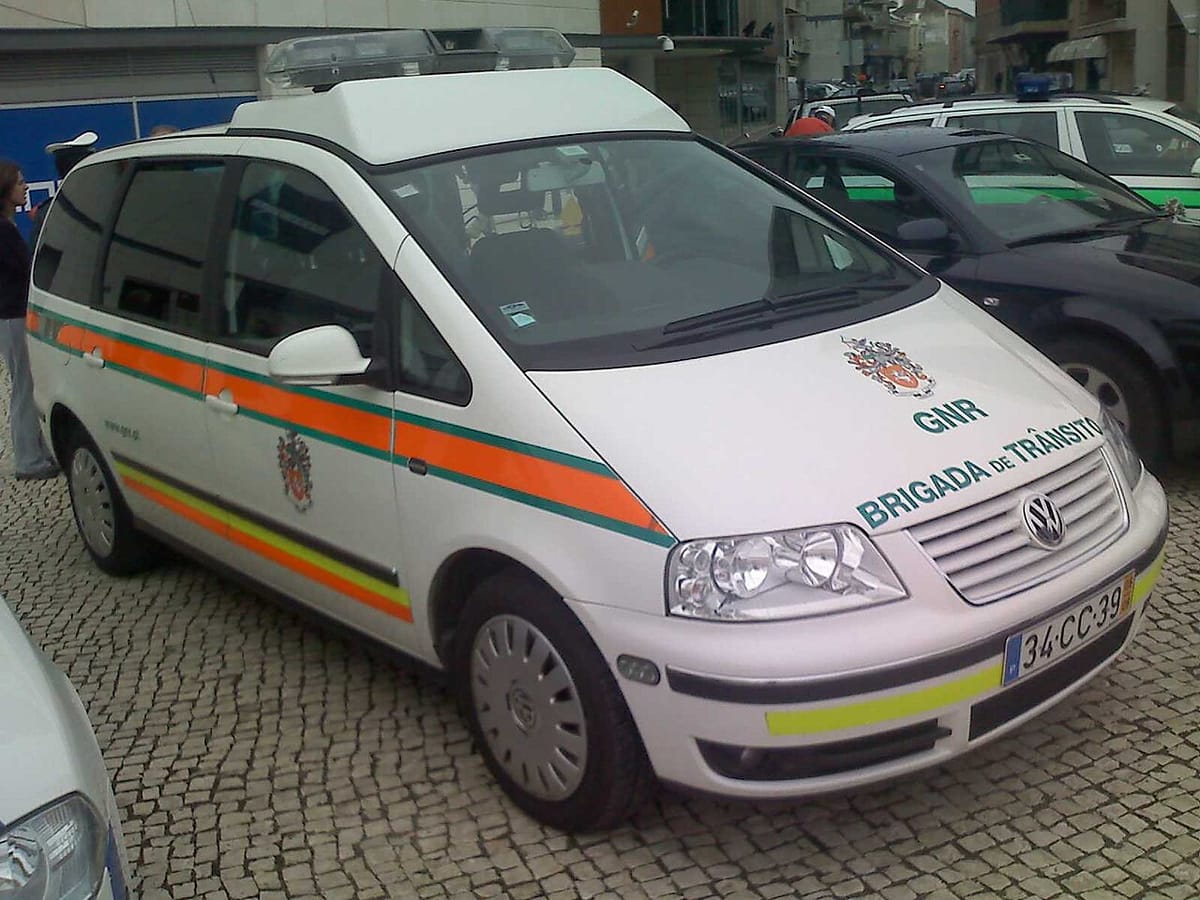
The legal changes come bundled with a visible policing push. The government is reactivating the Brigada de Trânsito (Traffic Brigade) of the GNR (Republican National Guard), the dedicated highway-patrol unit whose presence has thinned in recent years. That is being paired with additional speed radars and unannounced STOP checkpoints designed to make enforcement less predictable.
The timeline is tight. The working group set up by the Interior Ministry, which first met on 26 May, has until the end of September to deliver its proposal, and the broader National Road Safety Strategy is out for public consultation. Ministers have flagged pilot testing of new measures from 1 November, with a modernised IT system for processing traffic fines expected to come online in late 2026 or early 2027.
What This Means for Expats
- Know the new line: If criminalisation of extreme speeding is confirmed, the gap between "expensive fine" and "criminal record" narrows sharply. For foreign residents, a criminal conviction can carry consequences well beyond the road, including for residency and naturalisation.
- Expect more checkpoints: A revived Traffic Brigade and unpredictable STOP operations mean routine document and sobriety checks are likely to become more common, especially on motorways and at weekends.
- Scooters count too: If you rely on an e-scooter or e-bike in Lisbon or Porto, the rewrite is likely to formalise rules — helmets, insurance, where you can ride — that have been ambiguous until now.
None of this is law yet; the draft still has to clear consultation, the Council of Ministers and Parliament. But the direction is clear. After years in which the politics of Portugal's motorways centred on tolls and concessions, the next fight will be over how the country polices the people driving on them.