Diesel Drivers Face a Two-Cent Rise at the Pump on Monday While Petrol Slips a Cent
Simple diesel is set to rise about two cents to roughly €2.045 a litre from Monday while 95-octane petrol eases a cent to about €2.024, according to ACP forecasts, capping a summer of fuel-price swings driven by Middle East tensions.
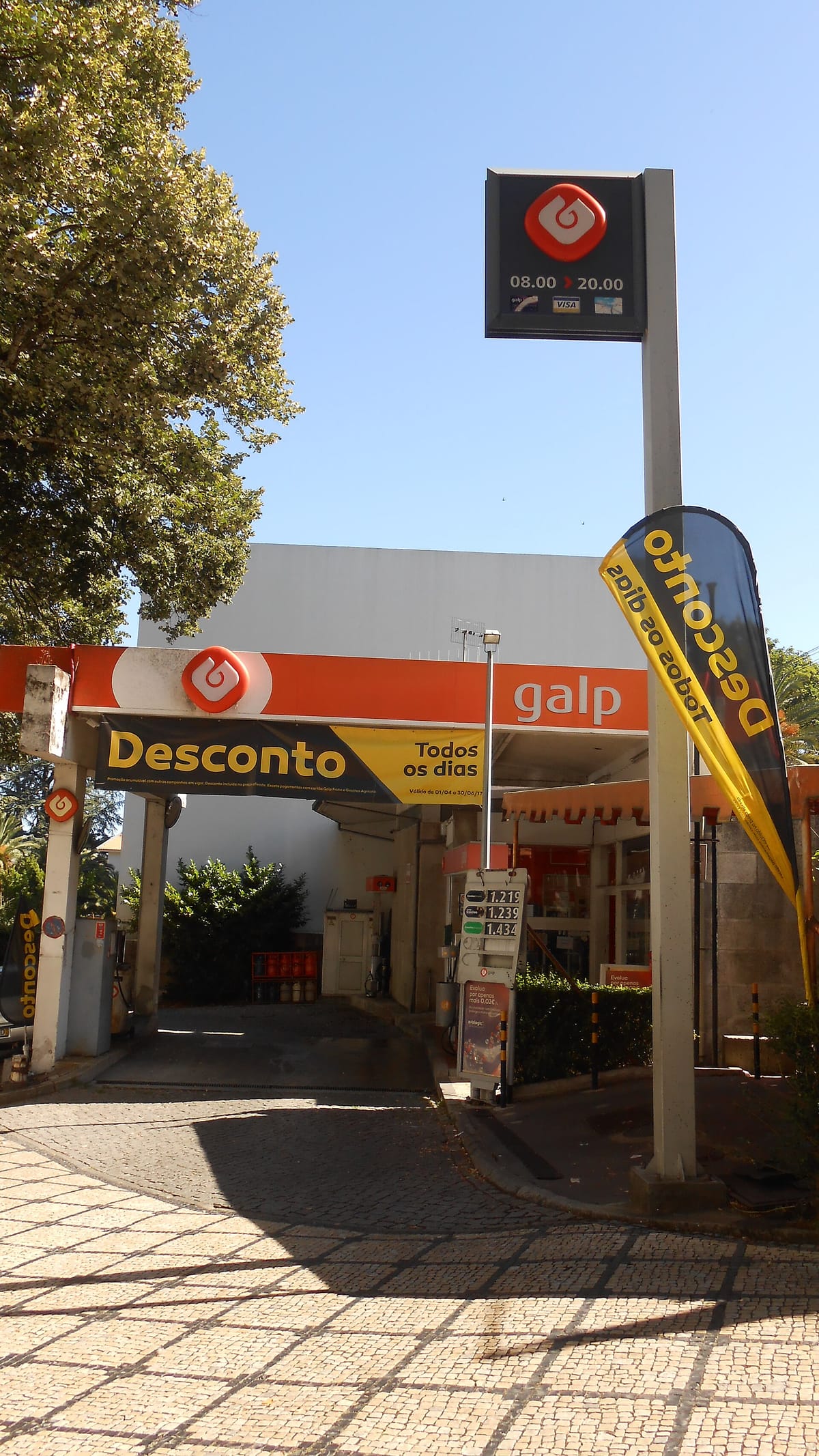
Drivers filling up with diesel will pay a little more from Monday, while those running on petrol get a small break, according to the weekly price forecasts published by the Automóvel Club de Portugal (Portuguese Automobile Club, or ACP). Simple diesel is expected to rise by about two cents a litre, taking the average to roughly €2.045, while 95-octane petrol should ease by around one cent to about €2.024 — leaving the two fuels, unusually, priced within a couple of cents of each other.
The forecasts are just that: the definitive weekly average is only fixed at the end of the day once international quotations settle, and the price on any given forecourt varies with the brand, the location and whether a station is running a promotion. Supermarket-linked pumps and low-cost operators typically undercut the branded network, and prices along the motorways run higher than in town. Even so, the ACP's projections are a reliable guide to which way the pump is heading, and this week the answer is: diesel up, petrol down, both close to the psychologically important €2 mark.
The moves cap a volatile summer for fuel prices, driven less by anything happening in Portugal than by events in the Middle East. Prices spiked earlier in the season as conflict involving Iran and wider tensions in the region — including fears that the Strait of Hormuz, the chokepoint through which a large share of the world's seaborne crude passes, might be closed — pushed up the cost of oil. They then retreated as a ceasefire between Washington and Tehran calmed markets and Brent crude fell back, feeding through to cheaper barrels and, eventually, to the forecourt.
For Portuguese households, fuel remains one of the most visible and politically sensitive prices in the economy, and one the government has repeatedly tried to soften. Lisbon has for some time used the Imposto sobre os Produtos Petrolíferos (the tax on petroleum products, or ISP) as a lever, trimming the levy to hand motorists a discount that offsets part of the rise in the underlying commodity. That mechanism cushions the blow but cannot fully insulate drivers from the swings in global crude, as this summer's back-and-forth has shown.
The direction of travel also matters beyond the pump. Fuel prices ripple through the wider cost of living — into transport, deliveries and the price of goods on the shelf — which is one reason cheaper energy has helped pull Portuguese inflation down in recent months. A two-cent rise in diesel, the fuel of choice for most of the country's vans, lorries and older cars, is hardly a shock, but it is a reminder that the summer's downward drift in fuel costs is not guaranteed to continue into the autumn.
For now, the practical advice is unchanged: those with diesel cars might do well to fill up over the weekend before Monday's increase, while petrol drivers can afford to wait. Either way, the gap between the two fuels has rarely been narrower.