Dearer Fuel Swells Portugal's August Exports, While the Goods Deficit for the Year Widens by 2.45 Billion Euros
Exports rose 6.8 percent, but only 2.8 percent without fuel, whose export prices were up 37.7 percent. The INE also finds Brazil now supplies half of Portugal's crude oil imports.
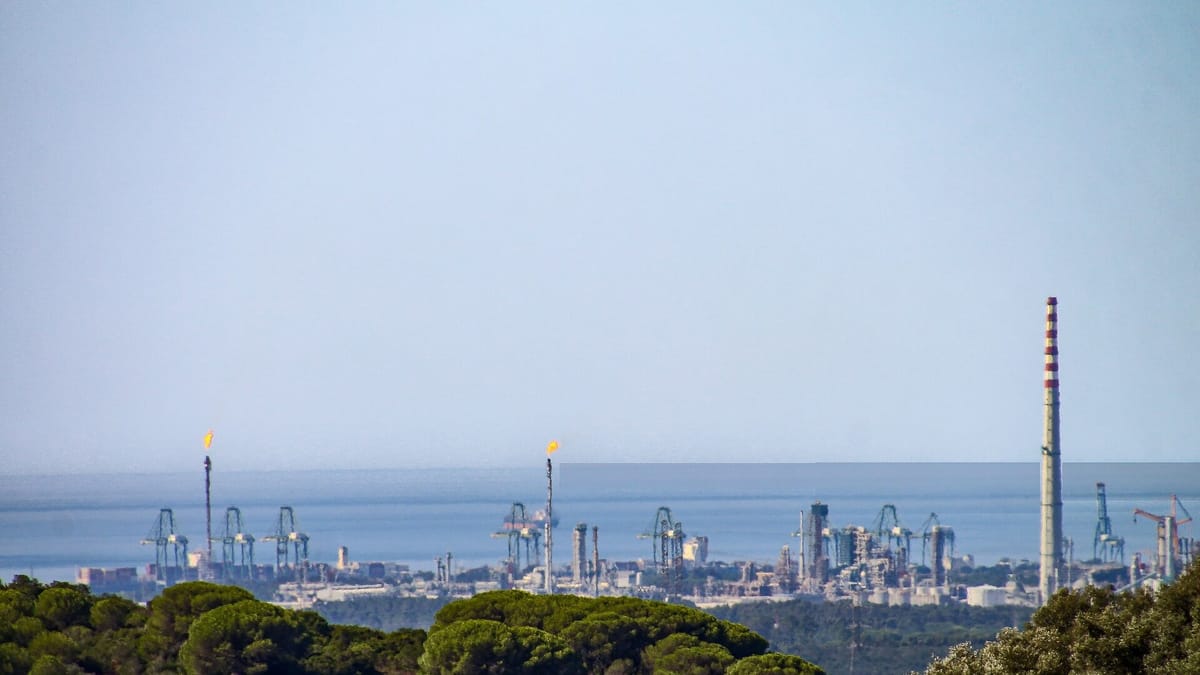
Portugal's exports of goods rose 6.8 percent in August from a year earlier, to 5.36 billion euros, the Instituto Nacional de Estatística (National Statistics Institute, INE) said on Friday. Most of that increase came from fuel. Leave fuel and lubricants out and exports grew only 2.8 percent.
Imports rose 2.8 percent, to 8.35 billion euros. Because exports grew faster, the monthly goods deficit narrowed by 115 million euros on August 2025, to 2.99 billion euros.
Dearer fuel did most of the work
Fuel and lubricant exports were 61.7 percent higher than in August 2025. The INE says that came from a 17.5 percent rise in volume and, above all, a 37.7 percent rise in price. Of the 340 million euros by which total exports grew, 209.5 million came from fuel. Exports of machinery and other capital goods rose 16.7 percent, and industrial supplies 6.5 percent. Transport equipment was the only category that fell, by 19.1 percent, mostly because fewer passenger cars were exported.
Prices explain most of the headline. The INE's export price index was 6.8 percent higher than a year earlier, the same as the rise in the value of exports, which suggests export volumes were roughly flat overall. Without petroleum products, export prices rose 3.8 percent. Import prices were up 5.1 percent, or 2.8 percent without petroleum products.
A wider gap over the year
August's narrower deficit does not change the picture for 2026 as a whole. From January to August, exports grew 2.9 percent and imports 5.3 percent. The goods deficit for the eight months reached 24.4 billion euros, 2.45 billion more than in the same period of 2025.
Fuel accounted for 14.8 percent of August's deficit. Without it, the deficit was 2.55 billion euros.
Where the oil comes from
This month the INE added a look at fuel trade since 2018. In the first half of 2026, fuel exports rose 22.3 percent and fuel imports 22.1 percent on the same period of 2025, which the INE puts down to the war in Iran and the uncertainty it has created in world markets. Crude oil made up 58.4 percent of fuel imports. Its value rose 24.3 percent, with prices up 15.9 percent and volumes up 7.2 percent.
Brazil supplied 50.9 percent of the crude oil Portugal imported in the first half. Spain supplied 52.5 percent of refined oil products, and the United States (48.5 percent) and Nigeria (31.5 percent) most of the gas. Refined products grew from 15.3 percent of fuel imports in 2018 to 33.4 percent in 2025, a shift the INE says may be linked to the closure of the Matosinhos refinery in 2021.
Spain up, the United States down
Among the main trading partners, exports to Spain rose 11.2 percent in August, largely industrial supplies, and to the Netherlands 46.8 percent, mainly fuel and industrial supplies. Exports to the United States fell 28.5 percent. The INE says this was largely down to fewer chemical shipments sent abroad for processing, where ownership does not change hands. Without those shipments, exports to the US rose 34.1 percent. On the import side, purchases from China rose 27.3 percent, mainly machinery and appliances.
The figures are a first estimate. They come two days after the Bank of Portugal raised its growth forecast to 2.3 percent while warning that inflation would peak near 3.6 percent at the end of the year.