Constitutional Court Voids the 2024 Law That Barred Returning Civil Servants From Rejoining Their Old Pension Fund
Ruling 845/2026 declares unconstitutional, for everyone it covers, the retroactive 2024 rule that kept public workers who left the State after 2006 and came back out of the CGA. Many are teachers. What it changes, what it does not, and what comes next.
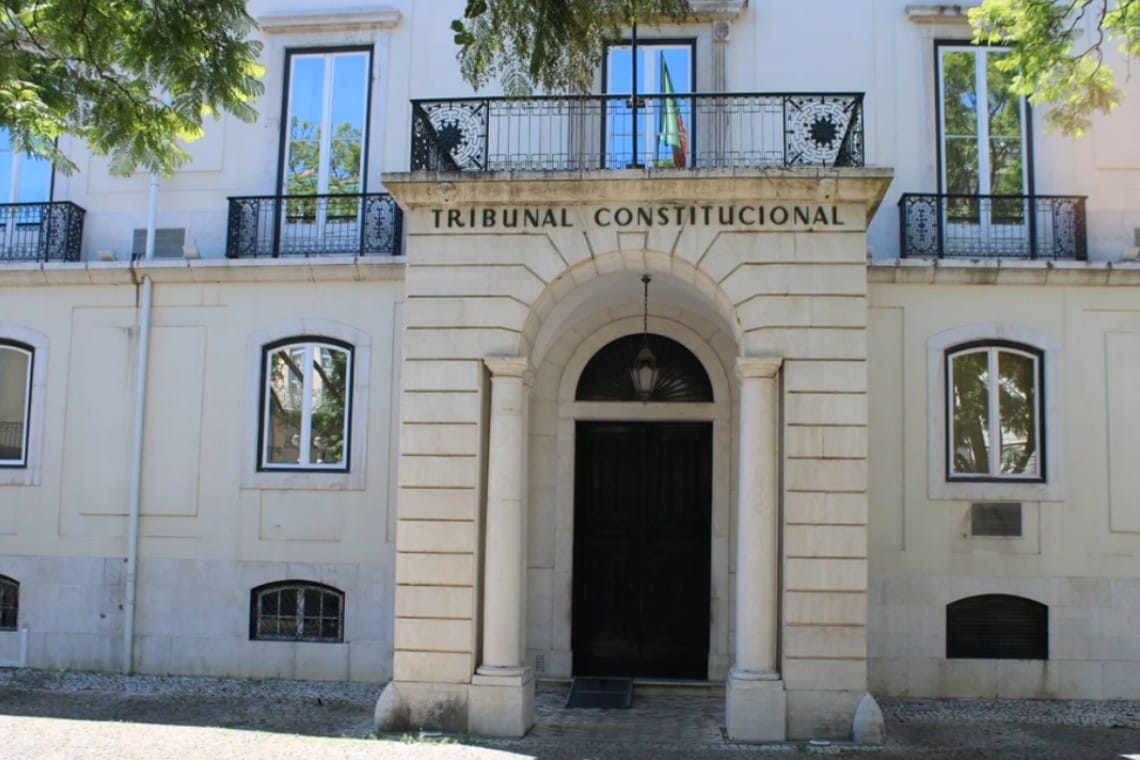
The Tribunal Constitucional (Constitutional Court) has declared unconstitutional, with general binding force, the 2024 rule that kept many civil servants out of the Caixa Geral de Aposentações (CGA, the civil service pension and social protection fund) after they left the State and later came back. Ruling 845/2026, a plenary decision dated 6 October and reported by Público and ECO on Thursday, no longer settles a single case: the rule cannot be applied to anyone it covers.
What the court struck down
Law 60/2005 closed the CGA to new members from 1 January 2006 and put new public employees in the general Segurança Social (Social Security) scheme. For years the courts, starting with the Supremo Tribunal Administrativo (Supreme Administrative Court) in 2014, held that this did not catch people already enrolled before 2006 who left public service and returned: they could rejoin the CGA.
Law 45/2024 of 27 December, presented as an "authentic interpretation" of the 2005 law, reversed that. It allowed re-enrolment only where there was no gap between public jobs, or where the gap was involuntary, limited in time, typical of the career, and the worker had done no paid work in between. It also backdated this to 2006.
The court found the rule was not an interpretation at all but a new, harsher regime applied retroactively, in breach of the principle of protection of trust that flows from the rule of law in Article 2 of the Constitution. The declaration covers people whose public employment ended after 1 January 2006 and who were back in public service by 27 December 2024. None of the judges dissented.
Who is affected
The Ministério Público (Public Prosecutor's Office) asked for the general ruling after the court had found against the same rule in at least three individual cases, the first in Ruling 689/2025. According to ECO, the CGA has been turning down thousands of re-enrolment requests, mostly from teachers whose fixed-term contracts left breaks in their careers; Fenprof (the National Teachers' Federation) took the issue to the Prosecutor General in November 2025.
The stakes are narrower than the headline may suggest. As the court noted in an earlier ruling it quotes, these workers' pensions were already being calculated under Social Security rules; what chiefly turns on CGA membership is its more generous sick-pay cover, along with how periods in each scheme are combined into one pension. The CGA had argued that people placed in Social Security had meanwhile been covered for sickness, parenthood and unemployment; the court replied that settling such differences is a job for the legislator, not a reason to sacrifice workers' trust.
What happens next
Under Article 282 of the Constitution, a declaration of this kind takes effect from the date the struck-down rule came into force, and the court did not limit that. Court judgments that have already become final are not reopened. ECO notes the ruling does not by itself re-enrol anyone or say how many people are involved, and nothing in it helps people who returned to public service after 27 December 2024.
We found no statement from the Ministry of Labour, which oversees the CGA, or from the fund itself on Thursday about how it will treat refused or pending applications. The fund is already under scrutiny this month after a computer error inflated almost 3,000 new pensions. Not every constitutional ruling reaches this stage: the court's recent wind farm property tax decision still binds only one case.