Competition Regulator Clears Arrow Group's Takeover of the Tróia Hotel and Casino
Portugal's Autoridade da Concorrência approved the acquisition of the five-star Tróia Design Hotel and its casino by Flecha Lux, an Arrow group company that already runs marinas, ferries and golf on the peninsula. No price was disclosed and no conditions were imposed.
Portugal's competition regulator has cleared the sale of one of the Alentejo coast's best-known leisure properties, giving the green light to the acquisition of the Tróia Design Hotel and its casino by a company in the Arrow Global orbit. The Autoridade da Concorrência (Competition Authority, or AdC) announced that it had approved the deal after concluding that the transaction "is not liable to create significant obstacles to effective competition" in the markets concerned.
The buyer is Flecha Lux, a vehicle controlled by the Arrow group, which is acquiring both the hotel business and the gaming operation that sits inside it. On the selling side are two related entities: Grano Salis, which has operated the hotel and held the casino concession, and CHT, the company that owns the underlying real estate. Neither the buyer nor the sellers disclosed a price, and the regulator imposed no conditions on the clearance.
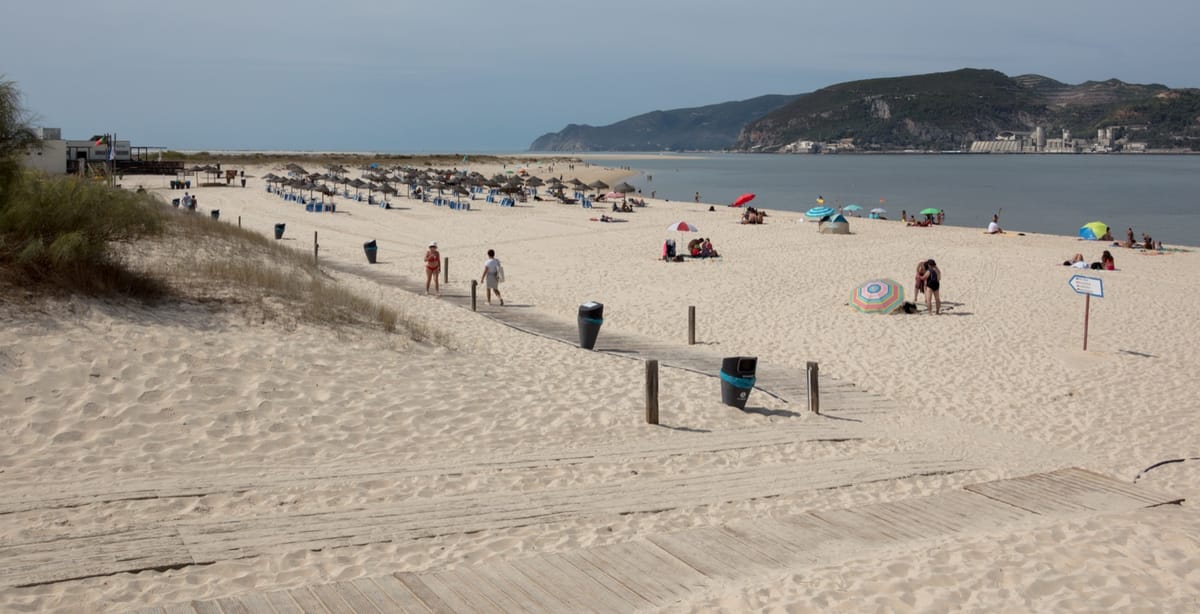
The assets at the centre of the deal are a cluster on the Tróia peninsula, the narrow sand spit that reaches down from Setúbal across the Sado estuary in the municipality of Grândola. They include the Tróia Design Hotel, a five-star property that anchors the resort, the Casino do Tróia Design Hotel, and the concessions and beachfront amenities attached to them. For a destination that trades heavily on summer tourism, the hotel-and-casino combination is among the highest-profile hospitality holdings south of Lisbon.
Arrow is not a newcomer to Tróia. Through its TDR group of companies it already runs a broad slate of tourism operations on the peninsula, from marinas and the estuary ferry links to golf and other recreation. Adding the flagship hotel and its casino consolidates that presence, folding the resort's marquee accommodation into a portfolio the group has been assembling on the ground for years. Beyond leisure, Arrow's Portuguese activities span debt management, real estate, golf and even ceramics, part of a wider European footprint built originally around distressed-asset investing.
For the regulator, the key question in any merger is whether combining two businesses hands the enlarged company enough market power to raise prices or squeeze rivals. Because Arrow's existing Tróia interests and the hotel-casino being bought serve largely complementary functions rather than competing head to head, the AdC found no such risk and waved the deal through in its simplified assessment. That leaves the transaction free to close once the parties complete the usual formalities.
The clearance lands in the middle of a busy season for the Alentejo's coastal resorts, where operators are competing for a summer influx of Portuguese and foreign visitors alike. Ownership changes at a property of Tróia's stature rarely alter the guest experience overnight, but they do signal where investment is flowing: in this case, further concentration of the peninsula's tourism economy in the hands of a single, well-capitalised operator. Whether that ultimately means fresh investment in the hotel and casino, or simply a tidier corporate structure, will become clearer once Arrow takes formal control of a resort it has spent years building around.