Company Labour Costs Accelerate to 5.4% in the Second Quarter, Led by Construction Pay
Portugal's Labour Cost Index rose 5.4% year-on-year in Q2 2026, up from 5.3%, INE data show — well ahead of 3.0% inflation. Construction led at 6.7% and services accelerated to 5.8%, while industry and public administration cooled to 4.9%.
The cost of employing people in Portugal is still rising faster than prices. The Labour Cost Index climbed 5.4% year-on-year in the second quarter of 2026, a touch above the 5.3% recorded in the first three months of the year, according to Instituto Nacional de Estatística (Statistics Portugal, or INE). With inflation running at 3.0% in July, wage bills are outpacing the cost of living — good news for workers' pay packets, a growing line item for employers.
The index tracks the full cost of labour to a business, not just take-home pay. Wage costs alone rose 5.4%, while other expenses — employer social-security contributions, severance and benefits such as health insurance and pension top-ups — grew 5.2%. INE noted that those "other costs" eased slightly, from 5.3% in the first quarter to 5.2% in the second.
Construction leads, industry cools
The pressure is far from even across the economy:
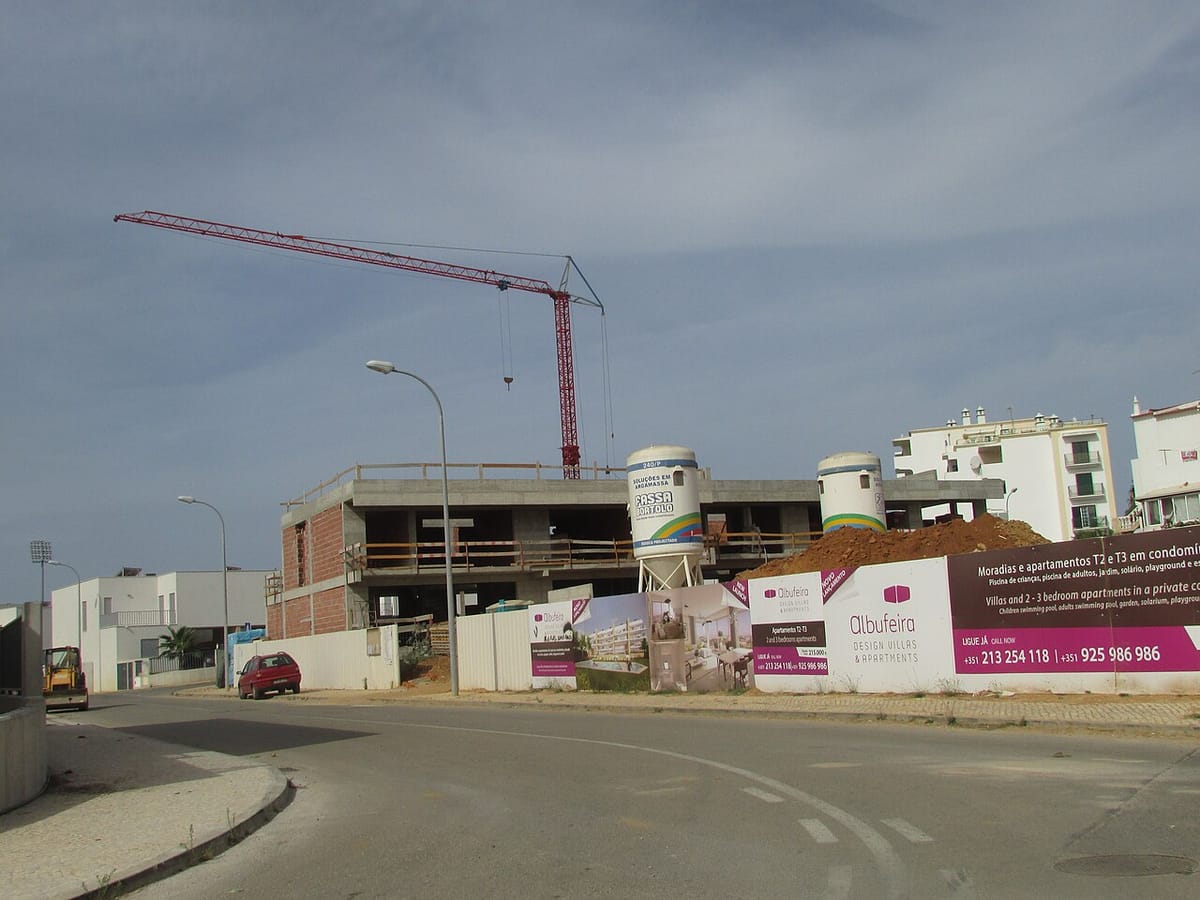
- Construction: +6.7% — the fastest-rising sector, though down from 7.1% in the first quarter as a red-hot building market comes marginally off the boil.
- Services: +5.8% — accelerating sharply from 4.5% a quarter earlier, the clearest sign of building wage pressure in the largest part of the economy.
- Industry: +4.9% — a notable slowdown from 6.2%, suggesting manufacturers are reining in labour costs.
- Public administration: +4.9% — down from 5.4%.
The divergence tells a story. Construction and services — both heavy users of labour and both stretched for staff — are where employers are paying up to attract and keep workers. Industry, more exposed to weak external demand, is holding the line.
Why the wage story keeps running
Portugal has spent two years catching up after a long stretch of stagnant real pay. Rises in the national minimum wage, a tight labour market and persistent shortages in construction, hospitality and health have all pushed the cost of hiring higher. That is welcome for households squeezed by years of high rents and prices, but it feeds a familiar worry for policymakers: if pay growth stays well ahead of productivity, it can keep domestic inflation sticky even as headline figures ease.
For now the picture is mixed rather than alarming — labour costs are accelerating in services but cooling in industry and the public sector, which points to a rebalancing rather than a runaway spiral.
What this means for expats
- If you employ staff: Budget for wage bills rising faster than inflation, especially in construction and services. The cost of a hire is climbing beyond the salary line, driven by contributions and benefits too.
- If you are job-hunting: Bargaining power is real in sectors with shortages. Construction, hospitality, health and skilled services are where pay is moving fastest.
- Freelancers and contractors: Rising labour costs strengthen the case for reviewing your rates, particularly if you supply services where client wage bills are climbing.
- Cost of living: Faster pay growth supports household spending, but persistent domestic cost pressure is one reason Portuguese inflation may prove slower to fall than the headline rate suggests.
The next reading, covering the third quarter, will show whether the services surge continues or whether the broader cooling in industry and the public sector spreads. For employees, the trend of pay finally outrunning prices is holding — for now.