Beja Backs a Four-Year Project to Open One of Iberia's Largest Bronze Age Settlements to Visitors
Outeiro do Circo, a 17-hectare Late Bronze Age hilltop settlement near Beja, is the focus of a €50,000, 2026–2029 project backed by the town council that its coordinators hope will eventually open it to the public. For now, the dig is open to watch on weekday mornings.
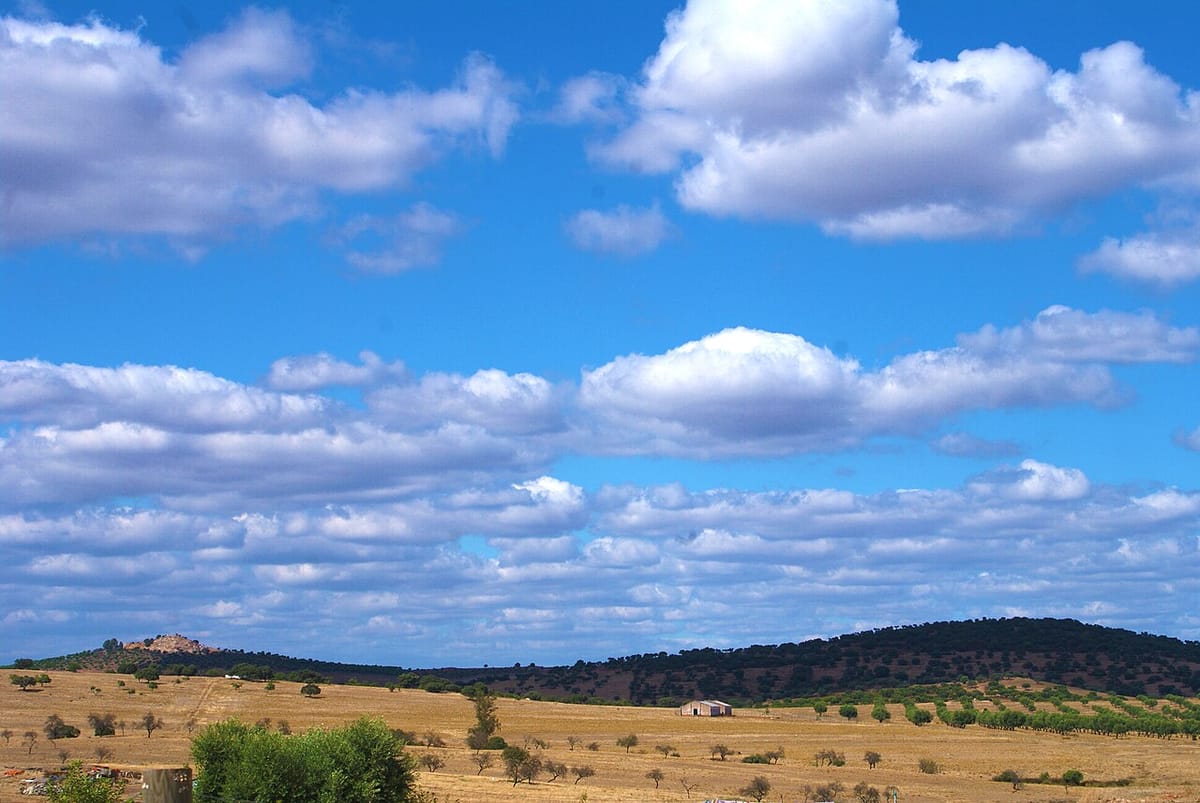
On a low hill in the Baixo Alentejo, between the villages of Mombeja and Beringel in the municipality of Beja, lie the remains of one of the largest fortified settlements of the Late Bronze Age known anywhere in the Iberian Peninsula. Now the site, called Outeiro do Circo, is at the centre of a four-year effort that its coordinators hope will eventually let the public walk through it, according to the news outlet Notícias ao Minuto.
Outeiro do Circo is a povoado (settlement) of the Bronze Final (Late Bronze Age), spread across roughly 17 hectares of hilltop. Academic study places its occupation between about 1250 and 850 BC, and its defensive wall (muralha) is on the order of 3,000 years old. Before the Iron Age and the rise of Beja — the Roman Pax Iulia — from the seventh century BC, this was a regional centre of power, ringed by a complex system of walls, ditches and bastions and littered with Late Bronze Age pottery. Successive excavation campaigns since 2008 have traced that defensive system and probed the interior with geophysical surveys and trenches.
The new phase, running from 2026 to 2029, is backed by €50,000 from the Câmara Municipal de Beja (Beja municipal council), and the archaeologist coordinating the fieldwork, Miguel Serra, has described it as the biggest project the site has ever seen. The current campaign, under way until 11 September 2026, involves opening a fresh area of about 53 square metres to study the Bronze Age fortification wall and how it relates to nearby structures, along with further geophysical work and the search for what may be a second entrance to the settlement.
The ultimate aim is valorização — heritage enhancement — paired with public education. Nelson J. Almeida, the lead researcher and an archaeology professor at the Universidade de Évora, has stressed combining the scientific and academic side of the dig with heritage education (educação patrimonial), promising a run of initiatives over the four years aimed at local, national and international audiences, together with a conservation and heritage-assessment plan. The project draws in local partners including the União de Freguesias de Santa Vitória e Mombeja, the cooperative O Legado da Terra and Beja's Museu Rainha Dona Leonor.
For now, the "visitable" future remains a goal rather than a fixed date. The sources give no opening day, no interpretation centre and no visitor circuit of walkways and signage — only the €50,000 municipal commitment and the promise of works to come. What curious visitors can already do is watch the archaeology as it happens: the dig is open to the public on weekdays from 8:30am to 12:30pm during the campaign. The push fits a wider heritage-tourism moment in Beja, where the separate Roman Forum (Fórum Romano) is due to reopen to guided visits later this year — a reminder that, three millennia after Outeiro do Circo's builders raised their walls, the Alentejo is still deciding how best to show its deep past to the people who live around it. On heritage colliding with a municipal building site, our report on the Braga administrative court admitting an injunction against Viana do Castelo's new municipal market over sixteenth-century convent remains, and the mayor's threat to bill the association for the delay sets the latest reference.