Beer, Supermarket and Railway Cartel Fines Worth €82 Million Are Set to Expire This Summer as Portugal's Anti-Trust Appeals Run Out of Time
Around €82 million in Autoridade da Concorrência fines against Super Bock, the hypermarket chains Continente, Pingo Doce and Auchan, and a railway-maintenance cartel are set to prescribe this summer — extinguished by the clock after their appeals froze in the courts. Parliament's fix came too late.
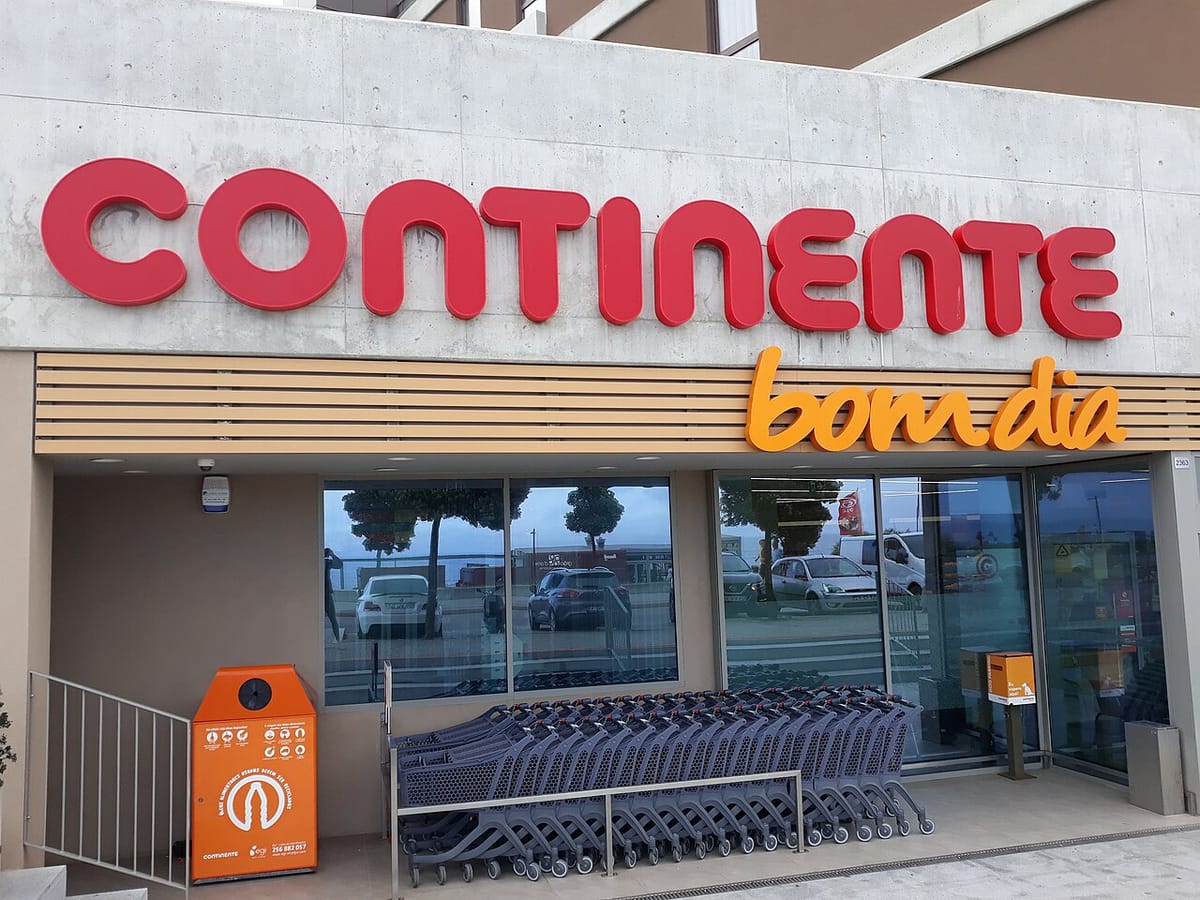
Portugal is about to watch tens of millions of euros in cartel fines evaporate not because anyone won an appeal, but because the clock ran out. Roughly €82 million in penalties handed down by the Autoridade da Concorrência (AdC — Competition Authority) against a beer producer, four hypermarket chains and a group of railway-maintenance firms are set to prescribe — that is, hit their statute-of-limitations deadline — over the course of this summer, according to reporting by ECO. Once a case prescribes, the fine is legally extinguished and can never be collected.
The story is the flip side of a warning this newsroom covered at the start of the month, when the AdC was racing to save some €880 million in fines spread across nineteen separate cases from exactly this fate. The abstract deadline the regulator kept warning about is now arriving for specific, named cartels — and for at least three of them, the rescue came too late.
The three cases running out of time
The first to go is the railway-maintenance cartel. In March 2020 the AdC fined five companies a combined €3.4 million for rigging public tenders launched by Infraestruturas de Portugal (the state rail-and-road infrastructure manager) in 2014 and 2015; Fergrupo, Somafel and their administrators accounted for about €1.8 million of that. The firms were found to have coordinated their bids — deliberately leaving tenders empty so that fresh ones would be relaunched at higher base prices, then carving up the work between them. That penalty is due to prescribe in late July.
The larger sum belongs to a “hub-and-spoke” case worth €81.1 million. In November 2021 the AdC penalised Super Bock Bebidas together with the retailers Modelo-Continente, Pingo Doce and Auchan for using a common supplier as the go-between to coordinate retail prices — a scheme in which the brewer effectively passed pricing information between competing chains. That decision is set to time out in August. A third case, worth €24.7 million and involving the bread-and-pastry supplier Bimbo Donuts alongside the same retail chains, faces its own prescription deadline in December.
Why the fines are dying
None of these penalties has been overturned on the merits. They are expiring because the appeals against them have been frozen for years. The common cause is a line of Constitutional Court (Tribunal Constitucional) jurisprudence that called into question whether the AdC could lawfully seize and use company emails as evidence in administrative proceedings. After the court ruled on the legality of those email seizures, the hearings at the Tribunal da Concorrência (Competition, Regulation and Supervision Court) stalled, and several cases were suspended pending a referral to the Court of Justice of the European Union (CJEU) on whether the evidence can be admitted at all.
The railway case, for instance, has been sitting at the Constitutional Court's Palácio Ratton since November 2022; the Super Bock hypermarket hearing opened in December 2022 and was suspended in March 2023. Portuguese competition fines carry a five-year prescription window, and once the legal machinery seizes up for long enough, the delay itself becomes the defendants' best defence.
The reform that arrived too late
Parliament did act. In mid-July, a Partido Comunista Português (PCP — Portuguese Communist Party) proposal to stop cartel fines from prescribing while cases are stuck in the courts was carried with the support of Chega. But a legislative fix passed this month does little for penalties whose deadlines fall this summer, and the AdC's own president, Nuno Cunha Rodrigues, has repeatedly cautioned that the broader exposure — nineteen cases and more than €880 million — stretches through to March 2027, touching sectors from large-scale food retail to banking, energy and telecoms.
The pattern is not new: back in April, lawmakers were already scrambling to keep some €800 million in competition cases from going out the door, with lawyers warning that any retroactive patch would itself end up back before the Constitutional Court.
Why it matters
For the companies, prescription is a clean escape: the fines simply disappear, with no admission and no payment. For the AdC — which has been unusually active of late, clearing a 22-year high in merger filings and blocking or investigating deals across the economy — it is a reputational bruise: years of investigative work into price coordination that ultimately falls on consumers' bills, undone by the calendar. And it sharpens a structural question Portugal has yet to answer: whether a five-year clock that keeps ticking while cases are trapped in constitutional and European limbo can ever deliver a credible deterrent against cartels.