Barroso's Lithium Developer Strikes Land Deals With Commons Communities, Targeting a 2027 Mine Start
Savannah Resources has signed new land agreements with the baldio commons communities of Tras-os-Montes for its Barroso lithium project, including community seats, inflation-linked compensation and a €500,000-a-year foundation — as a protest camp nearby drew about a thousand people.
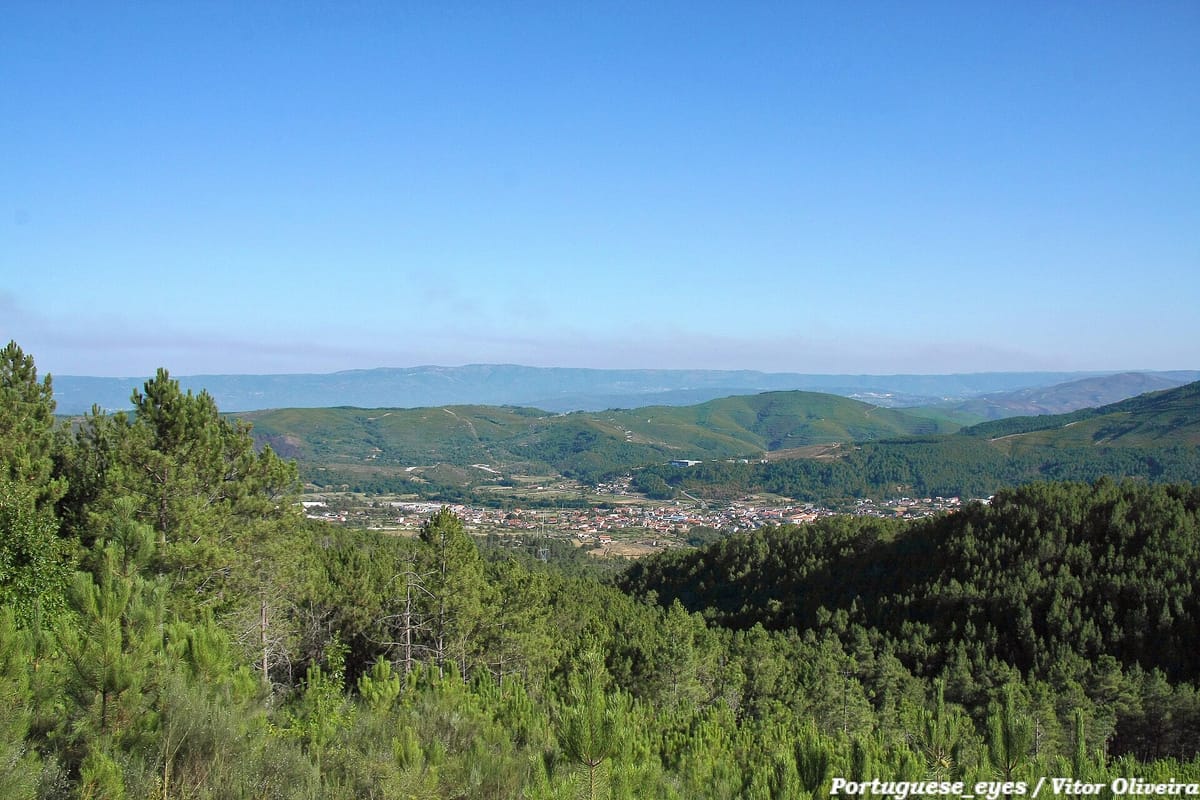
The company that wants to dig Portugal's first big lithium mine has moved to shore up the piece of the project that has always been hardest to secure: the consent of the people who share the land. Savannah Resources announced this week a set of new agreements with the baldio commons communities of Trás-os-Montes, the collectively owned uplands that sit over much of its Barroso lithium deposit in the north of the country.
The centrepiece is a fresh contract with the commons of Alijó, Canedo and Penalonga, in the municipality of Ribeira de Pena, covering 150 hectares in the Serra do Pinheiro. Savannah also signed an addendum to its 2020 agreement with the Couto de Dornelas commons in neighbouring Boticas, and a memorandum of understanding with the Secretariado dos Baldios de Trás-os-Montes e Alto Douro (SBTMAD), the regional body that federates hundreds of these compartes communities. Together, the company says, the deals rest on three shared principles: a seat for the communities on the project's local consultative and monitoring committee, local reinvestment of the benefits generated, and compensation described as "fair and indexed to inflation."
Savannah has framed the pacts as recognition, not merely access. "These agreements say a lot about how we want to develop this project," said chief executive Emanuel Proença. "It is not just about securing access to the territory; it is about recognising that the baldios represent decades of knowledge of the region and its challenges." The SBTMAD arrangement goes further than land, giving the secretariat a direct role in the governance of the Fundação Lítio do Barroso, a foundation already constituted that will hold a minimum annual budget of 500,000 euros, from the first year of mining, to invest in the territory. A parallel strand of the MoU sets up a technical partnership to manage some 100 hectares of Savannah-owned agroforestry land, with wildfire prevention — one of the region's gravest threats — an explicit priority.
The context for all this goodwill is that Barroso remains one of Portugal's most bitterly contested industrial projects. Savannah secured a conditionally favourable environmental impact declaration in 2023 and now targets the start of mine construction in 2027; last year it added the nearby Aldeia concession after confirming lithium there. But residents, local mayors and environmental groups have fought the mine for years, warning of damage to water, landscape and a farming way of life recognised as globally important agricultural heritage. Only last weekend the sixth edition of a protest camp at Covas do Barroso drew around a thousand registered participants and a march through the village — a reminder that community "agreements" with the commons and outright local opposition can coexist in the same few valleys.
The stakes reach well beyond Boticas. The European Union has designated lithium a strategic raw material for batteries and electric vehicles, and Portugal — already Europe's largest lithium producer, historically for ceramics — sits on some of the continent's most promising hard-rock deposits. A working Barroso mine would be a test case for whether Europe can extract the metals its green transition demands without importing the environmental conflicts it hoped to leave behind.
For residents and investors watching Portugal's push into critical minerals, this week's deals matter as a signal of momentum rather than a resolution. They tighten Savannah's grip on the land and buy a measure of local legitimacy, but they do not end the legal and political challenges still trailing the project, nor quiet the protest camps. The 2027 construction date now looks a little firmer; whether it holds will depend on courtrooms and hillsides as much as on boardroom signatures.