Barroso Lithium Mine's Final Design Is Open to Public Comment Until 4 December, With Extraction Stretched From 12 to 15 Years
APA is consulting on the final design of Savannah's Mina do Barroso lithium mine in Boticas until 4 December. Extraction now runs 15 years in a 22-year cycle, with no water taken from the Covas river. Here is what changed and how to comment.
The final design of the Mina do Barroso lithium mine in Boticas (Vila Real district) is open to public comment from today, Friday 13 November, until 4 December 2026. The Portuguese Environment Agency (APA) is running the consultation on its Participa portal. The design, filed by Savannah Lithium, keeps extraction going for longer than the version approved in 2023.
What is being consulted
The document is a RECAPE (Relatório de Conformidade Ambiental do Projeto de Execução, or environmental compliance report on the final design). It has to show that the detailed design meets the conditions of the environmental impact statement (DIA, Declaração de Impacte Ambiental), the conditional approval APA gave the mine in May 2023 after Savannah reworked a first design.
According to the non-technical summary (in Portuguese), the project would:
- extend the mining concession for quartz, feldspar and lithium to about 593 hectares, with an extraction area of about 73.1 hectares in four open pits (Grandão, Pinheiro, NOA and Reservatório);
- build a processing plant handling 1.5 million tonnes of ore a year, producing about 2.1 million tonnes of spodumene (lithium ore) concentrate over the life of the mine, plus about 5.7 million tonnes of quartz and feldspar;
- run for 22 years in all: two years of construction, extraction from year 1 to year 15, and then closure.
Público reports that this stretches extraction from the 12 years assessed in 2023 to 15, and the whole cycle from 17 to 22 years. The newspaper also says waste rock dumps take up 13.4 percent more ground.
Water, roads and the village
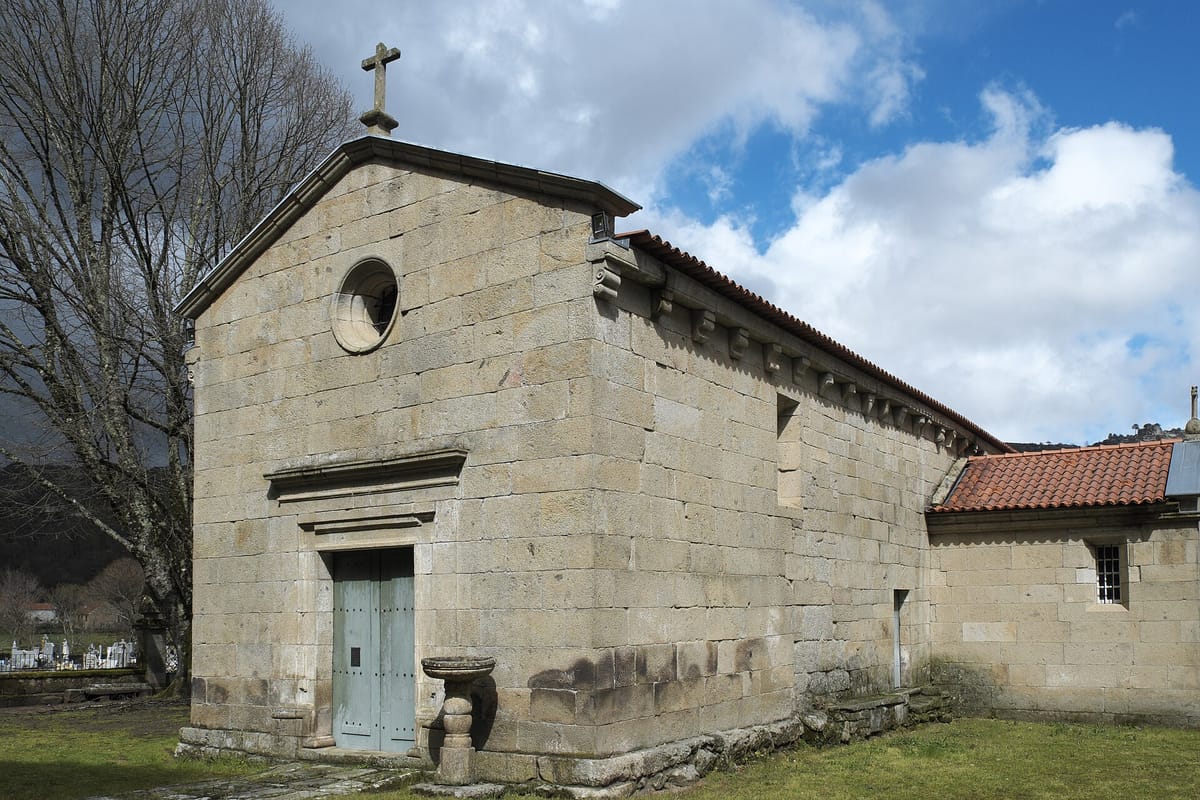
The summary says no water will be taken from the Covas river, which keeps a 100-metre protection strip. The company's new studies estimate that springs near the pits would drop by 0.44 to 0.52 metres and recover about 7.5 years after mining ends. The Acesso Norte bypass road around Boticas, with a link to the A24 motorway, received its own conditional DIA on 15 October 2026, which the summary says satisfies the road condition. Archaeological survey work found 43 heritage sites, and the plan includes vibration monitoring at the church in Covas do Barroso.
The summary also accepts that local opposition and the effect on residents' well-being during construction remain significant impacts. Público reports that Savannah expects APA's decision before the end of January 2027; the 2023 DIA expires on 29 May 2027.
What it means for you
The consultation is open to the public, not only to residents of Boticas or Ribeira de Pena, the two councils whose parishes the project covers. To comment, register on participa.pt, open the consultation and submit a comment (agreement, disagreement, complaint or suggestion), with an optional attachment of up to 50 MB. The full RECAPE and its base report are posted there. The documents are in Portuguese only.
This is the project's third public consultation: the original study drew 166 submissions in 2021 and the reworked design 912 in 2023, according to the portal. APA's recent refusal of a solar plant beside a Serra do Marão wind farm shows these reviews can still turn a project down. Another northern consultation, on floating solar panels at the Vilar reservoir, closes on 24 November.