Portugal Registers 70,399 New Diabetes Cases as Automated Insulin Pump Users Climb Fivefold and Child Screening Starts in Porto and Coimbra
Health centres recorded 70,399 new diabetes cases in 2025, fewer than in 2024, the DGS says. Users of automated insulin pumps rose about fivefold after pumps moved to pharmacies, and a pilot will test six-year-olds for early type 1 diabetes.
Family doctors in Portugal registered 70,399 new diabetes diagnoses in 2025, down from 80,915 the year before, according to the 2026 report of the Programa Nacional para a Diabetes (National Diabetes Programme), published on Friday by the Direção-Geral da Saúde (DGS, the national health directorate) ahead of World Diabetes Day on 14 November. The report also shows a fivefold rise in people using automated insulin pumps, and the DGS is about to start testing six-year-olds for early type 1 diabetes.
The DGS summary puts the number of people with a recorded diagnosis in the national health service (SNS) at 960,064, or 8.9% of everyone registered with a health centre. The total grew by 23,055 on 2024, but the share stayed stable, the full report says. The programme's director, Sónia do Vale, told Lusa (via Observador) that more than 14% of people aged 20 to 79 are estimated to have diabetes, so many remain undiagnosed.
Recorded prevalence is highest in the Alentejo (10.6%), followed by the North (9.9%), the Centre (9.6%), Lisbon and the Tagus Valley (7.6%) and the Algarve (7.4%), Lusa reported from the report. The report puts the direct cost of diabetes to the SNS in 2025 at about 748 million euros, with spending on medicines and devices flat on the year and hospital admission costs falling.
Insulin pumps through the pharmacy
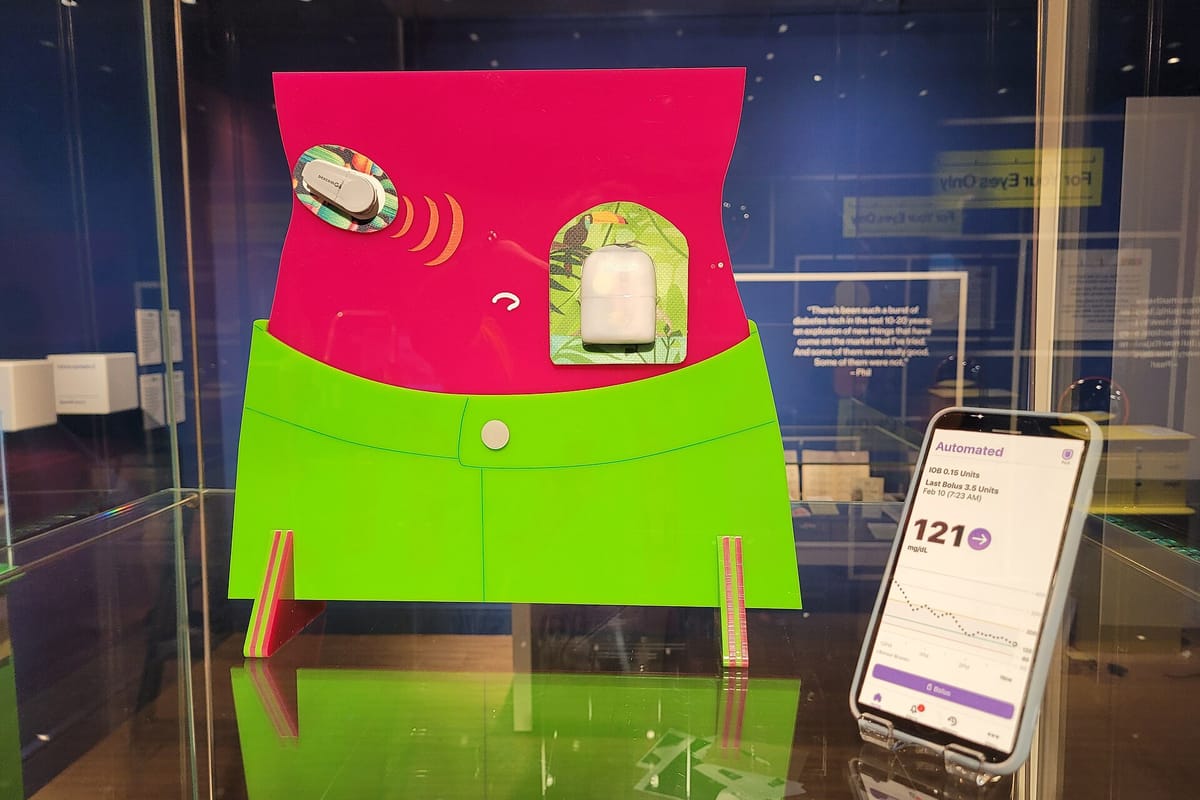
More than 24,000 people have registered type 1 diabetes, 3,161 of them under 20. At the end of 2025, 6,294 people were on an insulin pump, and 5,474 of them used an automated insulin delivery system (a pump linked to a glucose sensor that adjusts the dose itself). That is up from 1,074 in 2024, "about five times more", the DGS pump monitoring report says. Coverage among children reached 80.5%, up from 55% in 2024, according to Sónia do Vale.
The jump follows a change in how pumps are supplied. Since 31 January 2025, under Portaria n.º 18/2025/1, pumps, linked glucose sensors and their supplies are prescribed electronically by doctors at hospital pump treatment centres validated by the DGS, and collected at ordinary community pharmacies. The programme's stated aim is access for everyone with type 1 diabetes.
Screening children at the age-six jab
The DGS will pilot population screening for type 1 diabetes in children, Lusa reported (via Observador). A blood sample is taken at the health centre during the routine vaccination at age six, and hospitals test it for the antibodies that signal the disease before any symptoms appear. The pilot covers ULS de Coimbra, ULS São João in Porto and ULS São José in Lisbon, and should start this month at São João and Coimbra.
What it means for you
- Adults: if you are 18 or over and have no diabetes diagnosis, your health centre can assess your 10-year risk of type 2 diabetes with a short questionnaire (FINDRISC), recommended at least every three years. Ask your family doctor or nurse. You can also do a self-assessment on the SNS online portal; 104,740 people did in 2025.
- People with type 1 diabetes: pumps are prescribed through your hospital diabetes team, not your health centre. Ask whether an automated system suits you.
- Parents in Porto, Coimbra and Lisbon: if your child's six-year jab falls in a pilot area, you may be offered the blood test.
The DGS created a separate priority programme for rare diseases earlier this month; read our report.