Bank of Portugal's Payments Plan to 2030 Weighs Making Every Business Accept Electronic Payments and Discouraging Cheques
The Bank of Portugal's new payments strategy lists 22 actions to the end of 2030, from instant transfers and fraud to the digital euro. None has its own deadline, but two could reach your wallet: a duty to accept electronic payments and moves against cheques.
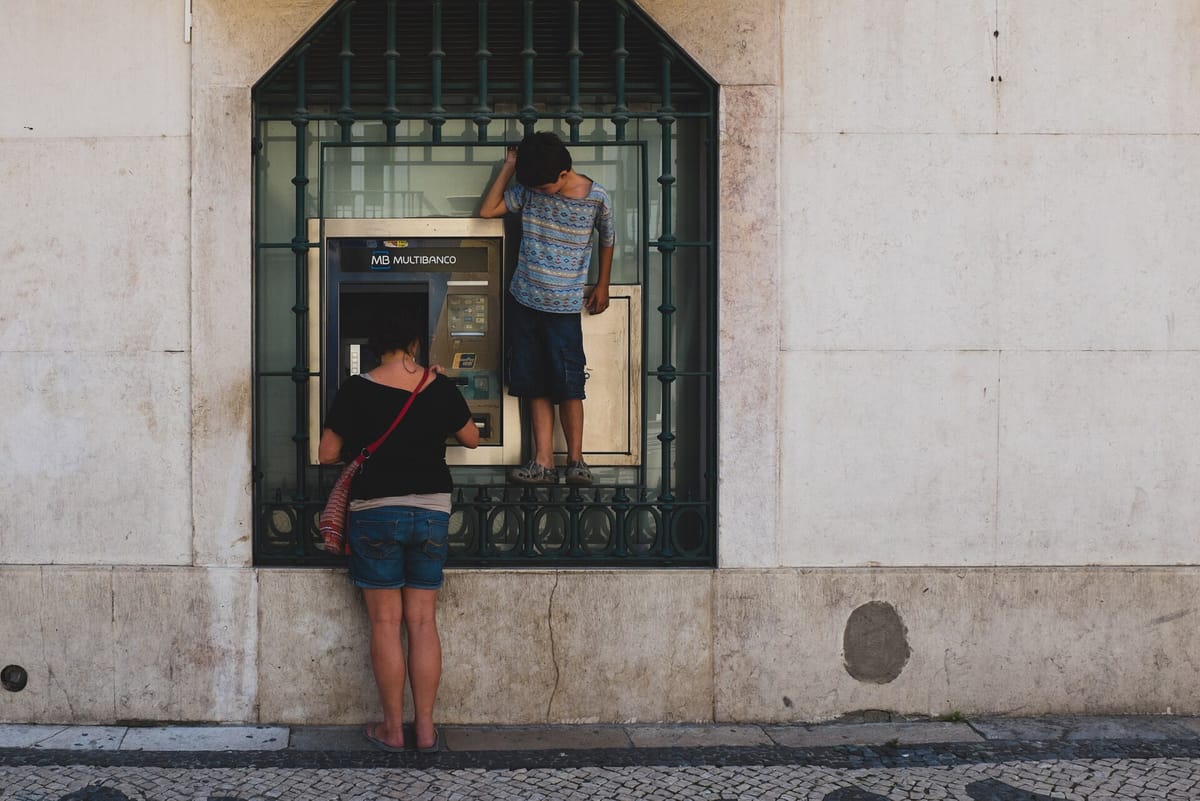
The Banco de Portugal (Bank of Portugal) published its third national plan for everyday payments on Thursday, the Estratégia Nacional para os Pagamentos de Retalho 2030 (National Retail Payments Strategy 2030). It lists 22 "lines of action" to be pursued by the end of 2030, grouped under four headings: communication with users, innovation, security, and resilience.
Readers looking for new rules with start dates will not find them. The document sets no deadline for any single measure and no numerical targets, and several lines only commit to "study" a change. It was drawn up by the Fórum para os Sistemas de Pagamentos (Payment Systems Forum), an advisory body that brings together banks, payment firms, consumer and business representatives and the public administration. The Bank's announcement says those members have committed to implementing it, and progress will be posted on a monitoring page.
Paying by card, phone number and instant transfer
The most concrete item for shoppers is a commitment to study a change in the law that would oblige businesses to accept at least one electronic payment method alongside cash. There is no draft yet. It matters because, as we have reported, shops can currently refuse cash without a fine.
Other lines aim to remove obstacles to wider use of instant transfers, which grew by 1,623.6 percent in number in 2025 as banks adapted to new EU rules, and to develop new uses for SPIN, the service that lets you send a transfer to a mobile number or tax number (NIF) instead of an IBAN. In the public consultation report, the Bank notes that banks cannot impose their own limits on instant transfers, although you can agree a maximum with your bank. The plan also promises more electronic ways to pay the State, for citizens and businesses, Portuguese and foreign.
Fraud and the people behind fake accounts
Security takes six lines. The forum is to drive the work of the Plataforma de Acompanhamento da Fraude Digital (Digital Fraud Monitoring Platform), which the Governor chairs and which was set up on 25 May 2026. It will also study ways to identify accounts used to receive fraudulent payments. Banks had asked for a database or tougher penalties for these "mule accounts", but the Bank said a study must come first, given EU payments laws still in the pipeline and the legal and technical complexity. Other lines cover the name check on the payee of a transfer, strong customer authentication, and making sure the payer is identified in payments made with Multibanco-style references. Complaints about unauthorised transfers doubled in 2025, so this is where residents feel the stakes.
Cash, cheques, the digital euro and accessibility
Cash access is largely outside the plan. When the Associação Plataforma Denária proposed ATM coverage targets, the Bank replied that measures on access to cash are handled separately, outside the forum. Cheques face a line to "study and adopt possible measures" to discourage their use; they were 0.1 percent of transactions through the interbank clearing system in 2025, but 6.1 percent of value.
On the digital euro, the plan only commits to preparing Portugal for its "eventual issue", and the Bank wrote that, if issued, it would complement cash, not replace it. A further line promotes accessibility in electronic payments; the Bank declined to name older or disabled people specifically, saying the wording covers everyone who struggles.
For now, nothing changes in how you pay. The two items worth watching are the proposed duty to accept electronic payments and any move against cheques; both would need further decisions before they affect you.