Australia Has Paused Work and Holiday Visa Applications From Portugal, and the Embassy Cannot Say When They Reopen
Portugal is one of 23 countries listed as 'paused' on the Department of Home Affairs caps page, against an annual allocation of 500 places. Visas already granted are unaffected, and a paused country can reopen inside the same programme year, but the embassy in Lisbon cannot forecast a date.
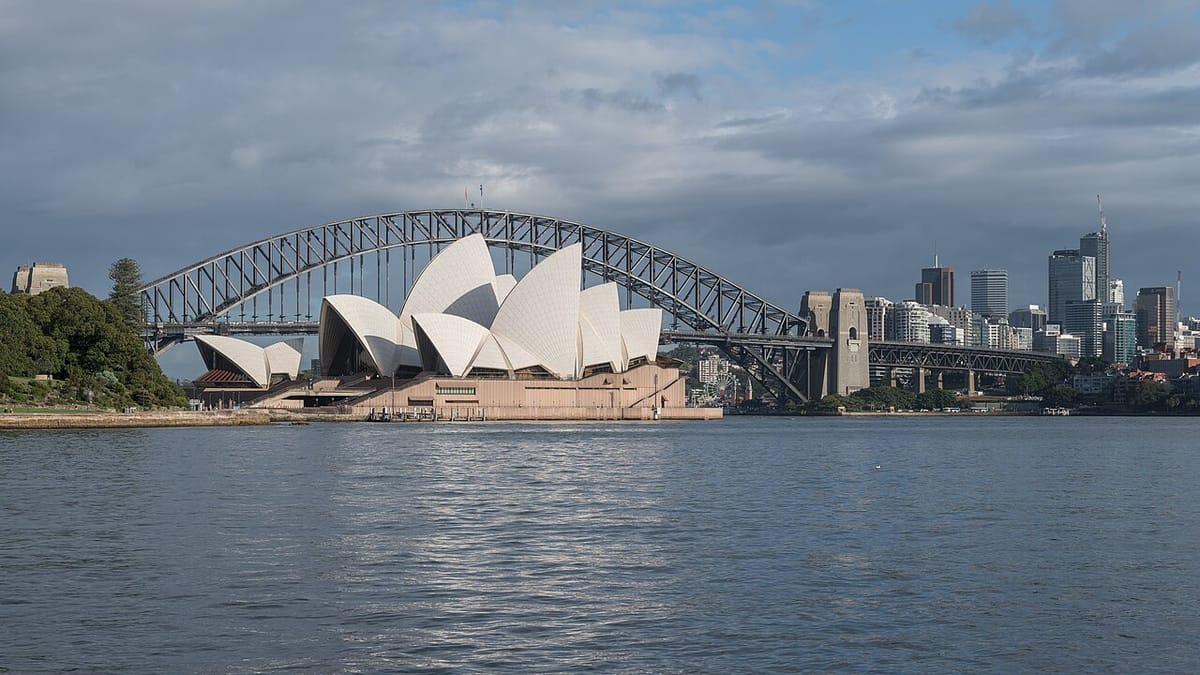
Australia has stopped taking new applications for the work and holiday visa from Portuguese citizens. The Australian Embassy in Portugal confirmed the suspension to the economics daily ECO on Monday, and the Department of Home Affairs (DHA) country-caps page now lists Portugal with the status "paused" against an annual allocation of 500 places.
Portugal is one of 23 countries currently in that state. The others are Argentina, Austria, Brazil, Chile, the Czech Republic, Ecuador, Greece, Hungary, Israel, Luxembourg, Malaysia, Mongolia, Papua New Guinea, Peru, Poland, Singapore, Slovakia, Slovenia, Spain, Switzerland, Thailand and Uruguay. The embassy says it has no information on when Portuguese applications might reopen and cannot forecast a date.
What the visa is, and what the cap does
The work and holiday visa (subclass 462) is Australia's capped route for young people from countries that have a reciprocal arrangement with Canberra. Portuguese citizens aged 18 to 30 can use it to stay up to 12 months, travel, study for a maximum of four months, and work, provided they do not spend more than six months with the same employer.
The programme runs on Australia's financial year, from 1 July to 30 June, and applications for capped countries open on 2 July. Portugal's ceiling is 500 first-time visas a year. Home Affairs says demand for the programme is strong and applications from some countries can exceed the places available, so lodgements are paused as the annual limit approaches, and also to spread applications across the year and keep processing manageable.
Two things follow from that. First, a pause is an administrative throttle, not a policy change: the DHA says a country's status can move back from "paused" to "open" within the same programme year, so anyone planning a departure should check the official page regularly rather than assume the door has shut until next July. Second, visas already granted are untouched. If you hold one, your travel and work rights are unaffected.
Why the queue for Australia is long
A 500-place cap is small set against Portuguese mobility. The country's annual emigration flow now sits at around 70,000 people, and the Observatório da Emigração (Emigration Observatory) counts roughly 850,000 young Portuguese living abroad. Most of that movement goes to Switzerland, the United Kingdom, France and Germany, where no visa is needed or the route is far wider. Australia is a niche destination by comparison, which is precisely why a few hundred places fill quickly.
What this means if you were planning to go
- Do not book flights against an unlodged application. The visa must be granted before travel, and there is no queue position to hold while the cap is paused.
- Watch the age limit. The 18 to 30 band is assessed at the time of application. If you turn 31 during a long pause, the route closes for good, so a delay is not neutral for everyone.
- Check the page, not the rumour mill. Status changes are published by Home Affairs. Neither the embassy in Lisbon nor any agent can move you up a capped list.
- If you already hold the visa, nothing changes. The six-month single-employer rule and the four-month study limit still apply, and both are enforced.
- Second and third visas are a separate question. The cap applies to first work and holiday visas; extension pathways have their own specified-work conditions that are worth reading before you rely on them.
The practical read is that this is a timing problem rather than a closure. Australia has run capped programmes for years and has reopened paused countries mid-year before. But with 500 places and no announced reopening date, anyone with a fixed plan for the coming Australian summer should have a fallback.