Asking Rents Edge Up 0.9% in July as the Algarve Becomes Portugal's Priciest Region to Rent
Rents rose 0.9% year on year in July, ending six months of decline, per idealista. The Algarve overtook Greater Lisbon as the dearest region at €22.5/m²; Lisbon stayed the priciest city at €23.5/m², while the North kept falling.
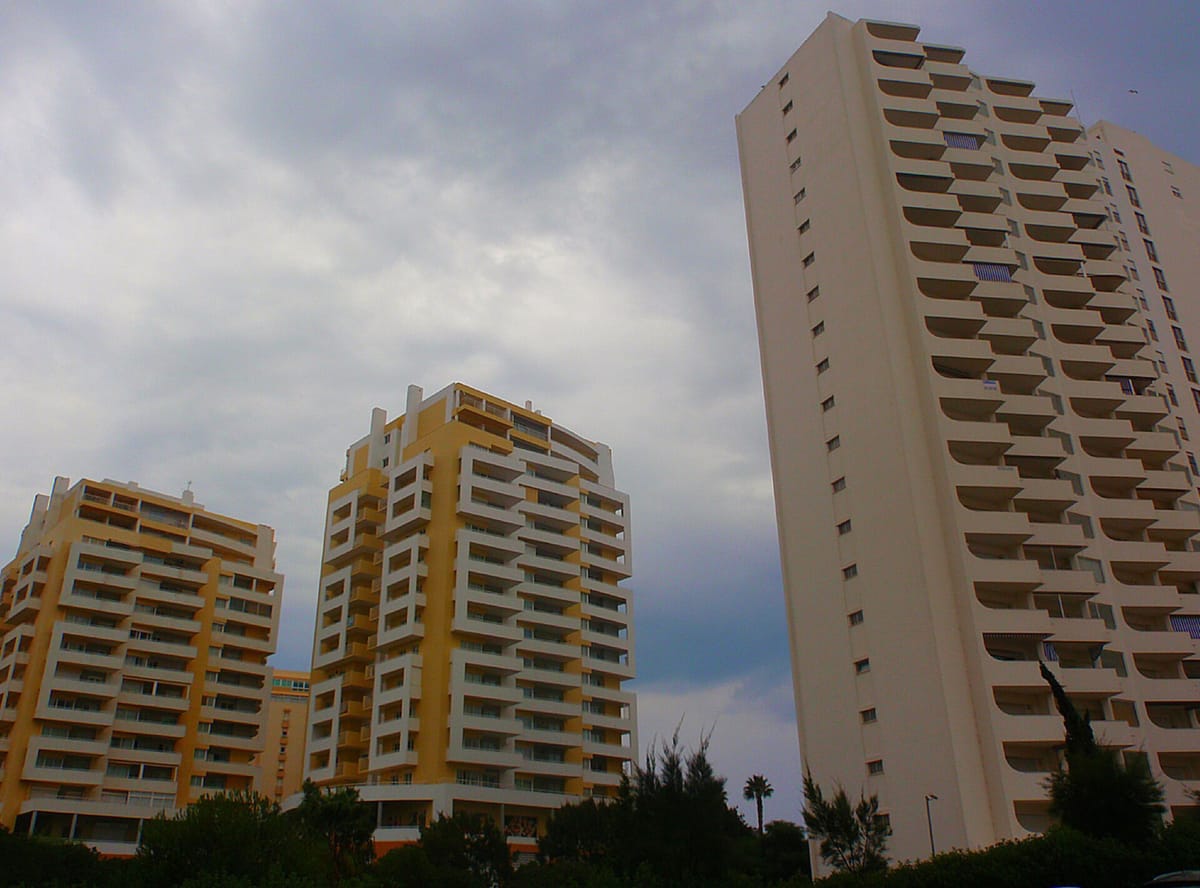
After six straight months of falling asking rents, Portugal's rental market turned back upward in July — and the shift came with a notable change at the top of the map. Median asking rents rose 0.9% year on year, reversing the mild declines recorded from January through June, according to data from the property portal idealista. The national median reached €17.7 per square metre by the end of the month.
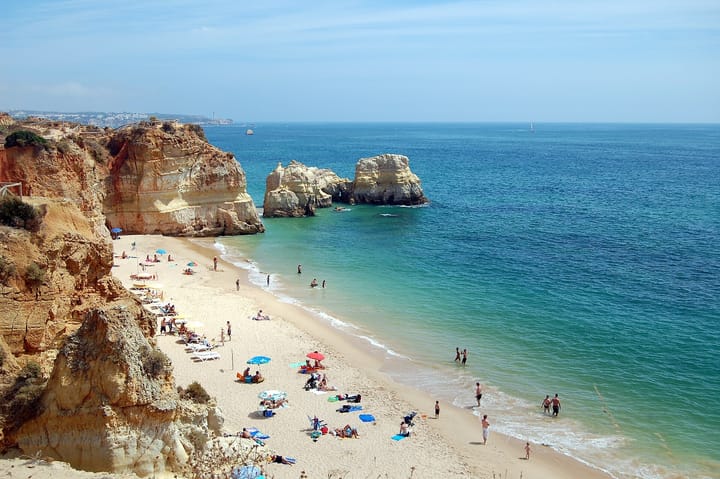
The headline change is geographic. The Algarve overtook the Lisbon Metropolitan Area to become the most expensive region in the country to rent, with a median of €22.5 per square metre against Greater Lisbon's €20.7. It is a striking reordering: for years the capital and its commuter belt set the ceiling for Portuguese rents, but a summer of intense demand in the south — where holiday lets and year-round tenants compete for the same limited stock — has pushed the Algarve ahead.
At city level, the familiar hierarchy held. Lisbon remained the priciest city to rent at €23.5 per square metre, followed by Porto at €18.1 and Funchal, in Madeira, at €17.3. The regional and city rankings can diverge like this because a region blends its expensive hotspots with cheaper surrounding areas, so the Algarve's coastal resorts can lift the whole region above metropolitan Lisbon even as Lisbon the city stays dearest of all.
Not everywhere is rising. The North was the only region where asking rents were still falling in July, and sharply so — down 11.3% year on year — a reminder that Portugal's rental market is really several markets moving at different speeds rather than one national trend.
Behind the renewed upward pressure lies a familiar imbalance between what is available and how many people want it. The stock of homes offered for long-term rent fell 22% year on year in the second quarter, tightening an already thin supply. At the same time, competition for each listing intensified: the average advertisement drew 24 enquiries, up 36% on a year earlier. Fewer homes chased by more prospective tenants is the classic recipe for rising prices, and July's figures suggest the brief respite of early 2026 is over.
For newcomers and residents alike, the numbers carry a practical warning. The pause in rent growth over the first half of the year had offered a small window of relief; its close means budgets set a few months ago may already be out of date, particularly for anyone house-hunting in the Algarve, where the cost of a long-term home now tops the national table. Those searching in the north, by contrast, may find conditions easing.
The wider context is Portugal's persistent housing squeeze, in which strong demand — from both domestic tenants and the steady inflow of foreign residents — keeps colliding with a supply that struggles to grow. July's modest 0.9% uptick is small in isolation, but as the first monthly rise after half a year of declines, it is the kind of turning point the rental market watches closely. Whether it hardens into a sustained climb will depend on whether more homes reach the market in the months ahead. On the state of the affordable-rent regime that replaced it, our report on the Regime Simplificado de Arrendamento Acessível, which took effect on 1 September with a full IRS exemption for landlords and without the portaria that fixes the rent it applies to sets the latest reference.