Arrests at Portuguese Sporting Events Jumped 136% Last Season Even as Overall Infractions Fell
PSP arrests around sporting events rose from 101 to 238 in 2025/2026, up 136%, even as recorded infractions fell 14.4% to 6,112. Football accounted for 94.6% of infractions and pyrotechnics for nearly three-quarters of top-flight cases, across some eight million spectators.
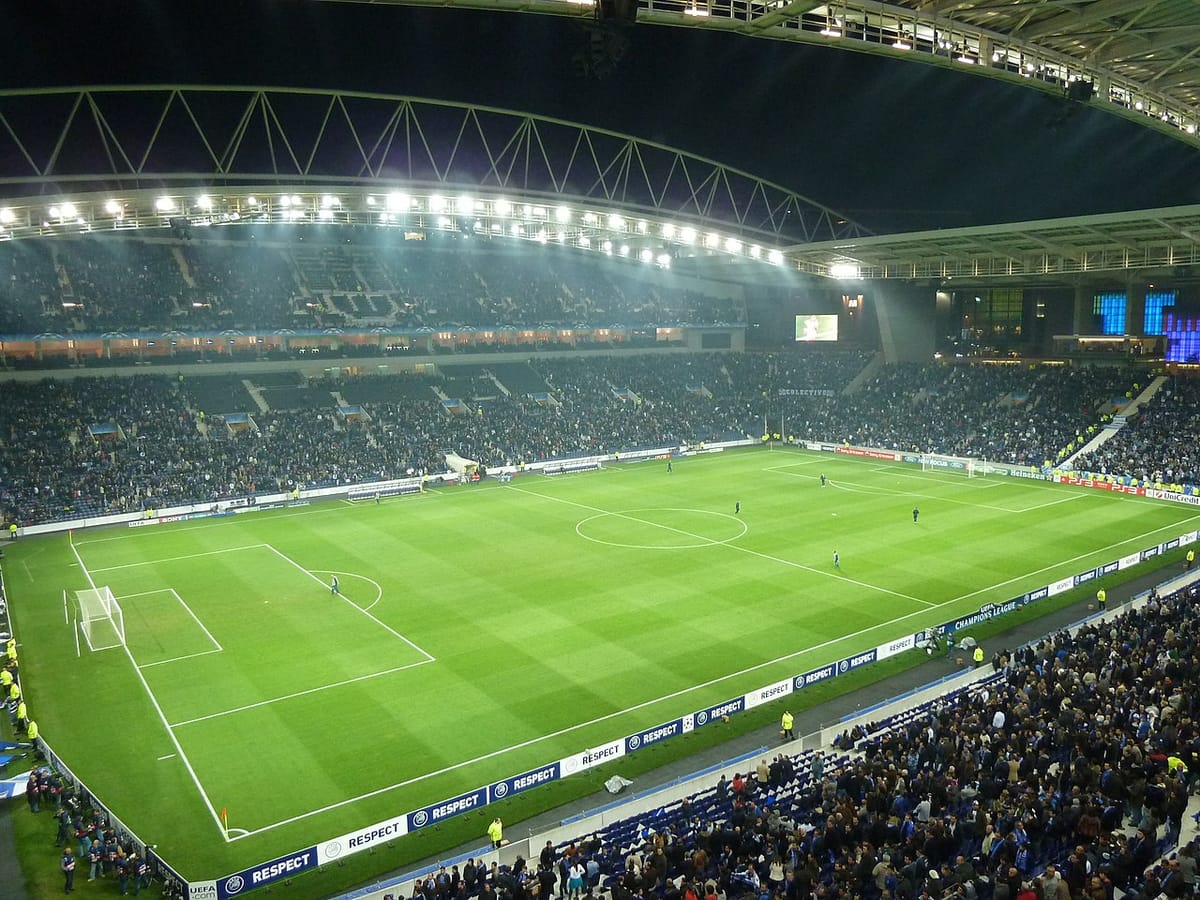
Portugal's police made far more arrests around sporting events last season even as the overall number of recorded infractions fell — a divergence that points to tougher enforcement against a smaller group of troublemakers rather than a rising tide of stadium disorder. Figures released by the PSP (Polícia de Segurança Pública, the urban public-security police) show arrests at sports events climbed 136% in the 2025/2026 season.
In raw terms, PSP arrests rose from 101 to 238. Adding the GNR (Guarda Nacional Republicana, which polices rural and inter-urban areas), the combined total reached 282 detentions across the season. Yet the number of recorded infractions moved in the opposite direction, falling 14.4% overall — from 7,140 to 6,112 — and down 34.2% against the 2023/2024 season. The two forces diverged here too: PSP-recorded infractions dropped 24.1%, while the GNR logged a 41.4% increase.
Football dominates the numbers
As ever in Portugal, football accounts for almost everything. The sport represented 94.6% of all recorded infractions — 5,780 of them. Within that, the top flight actually improved: first-division matches produced 2,632 infractions, a 19.8% fall. The second division ran the other way, with infractions up 54.75%. Futsal added 176. European club competitions, meanwhile, saw a steep 55.1% drop, from 704 infractions to 316.
The single biggest category of misbehaviour is the one every regular at a Portuguese ground will recognise: pyrotechnics. Flares, smoke bombs and firecrackers made up 74.2% of first-division infractions — the persistent flashpoint that authorities have spent years trying to stamp out, so far with limited success.
More arrests, fewer incidents
Read together, the two trends tell a coherent story. Roughly eight million spectators passed through secured sporting events over the season, and the volume of logged incidents fell across most competitions. But the police response hardened: where an offence was serious enough — violence, invasions, banned pyrotechnics — officers were markedly more likely to make an arrest than to issue a lesser sanction. Fewer infractions, in other words, but a stiffer answer to the ones that mattered.
That shift mirrors a broader push by Portuguese authorities and the football establishment to clamp down on the hard core of ultra-group violence and prohibited materials, backed by identification systems at grounds and coordination between the clubs, the leagues and the two police forces.
What this means if you go to a match
- Enforcement is tighter, not looser. The falling infraction count does not mean a relaxed door policy — quite the opposite. The odds of an incident ending in an arrest rather than a warning have gone up.
- Leave the pyrotechnics at home. Flares and firecrackers remain the number-one offence and the one most likely to draw a hard response; carrying them into a stadium is a criminal matter, not a bit of colour.
- Portuguese football is, on the whole, safe. Against eight million spectators, a few hundred arrests underline that serious trouble is rare and concentrated. A weekend Liga game remains a family-friendly outing for the vast majority who attend.
The headline jump in arrests looks alarming in isolation, but set beside a double-digit fall in infractions it reads less as a spike in violence than as a policing strategy finding its targets.