Almada's 1960s NATO Fuel Depot Overhaul Slips a Year After a Pipeline Inspection, With a 5.96 Million Euro Ceiling and a December Finish
Repairs to the POL NATO fuel depot in Almada, which holds part of Portugal's strategic petroleum reserves, will cost up to 5.96 million euros and finish by the end of 2026, after an inspection of its underground pipelines found extra work was needed.
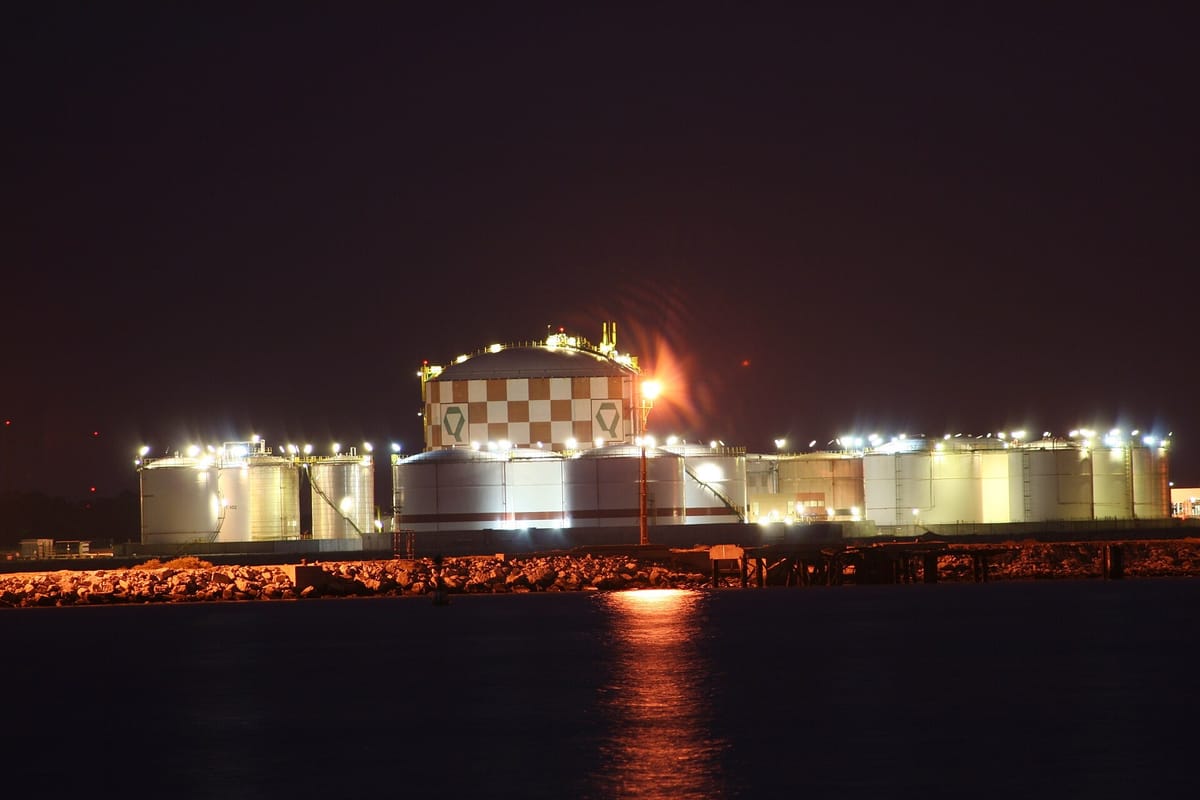
The rehabilitation of the POL NATO fuel depot in Almada, which holds part of Portugal's strategic petroleum reserves, will cost up to 5,964,649.96 euros and should be finished by the end of 2026, a year later than planned. The new budget and timetable are set out in Portaria n.º 431/2026/2, published in the Diário da República (official gazette) on Friday 23 October.
The ordinance was signed on 19 October by the Environment and Energy Minister, Maria da Graça Carvalho, and the Deputy Secretary of State for the Budget. It formally authorises the Entidade Nacional para o Setor Energético (National Entity for the Energy Sector, ENSE), the state body that is running the works, to spread the cost over two years. It also ratifies that spending after the fact.
What the facility is
POL stands for petroleum, oils and lubricants. The ordinance describes the site as a logistics and storage installation for petroleum products in Almada, built in the 1960s, which holds "a relevant part" of the state-owned strategic petroleum reserves. In a statement on the government portal, the Environment and Energy Ministry called it a strategic installation for the country's energy supply.
ENSE awarded the contract on 12 March 2025 after a public tender, and the work was originally meant to be done within that year. According to the ordinance, a "rigorous inspection" of the depot's existing underground pipelines then found that extra work was needed for technical and safety reasons linked to the age of the installation. The findings changed the original design and the safety conditions, delayed the works, and made an "urgent" reprogramming necessary so that they can be completed by the end of 2026. Legally required price revisions were also applied.
The money and who pays
- Ceiling: 5,964,649.96 euros, plus VAT at the legal rate where it applies.
- 2025: 2,227,709.87 euros, already spent.
- 2026: 3,736,940.09 euros.
- Funding: entirely from ENSE's own revenue, in its own budget.
Neither the ordinance nor the ministry statement mentions any NATO funding for this project. That sets it apart from the NATO Security Investment Programme works the Council of Ministers enlarged in June, when, as ECO reported, it raised the budget for Beja Air Base and the Portinho da Costa pier of the NATO ammunition depot in Lisbon to about 21.9 million euros.
"The security of energy infrastructure and the protection of the national strategic reserves are fundamental to guaranteeing the resilience of the country's supply," the minister said in the statement.
What it means for Almada residents
The works are already under way, and the money is there to finish them; the ordinance says settling the spending was a condition for the work to continue. Neither document announces road closures, changes to access or any other disruption around the site, and neither gives an exact address. The stated purpose is to make the operation of an ageing fuel installation safer.
Strategic stocks are the reserve the state keeps for a supply disruption, and the work comes in a year of high fuel costs, with diesel running 30 percent above last year in August and a fuel-tax discount extended to 31 December.