Almada Extends Its Water-Supply Alert to 31 August, Keeping Overnight Cut-Offs and a Garden-Watering Ban in Place
Almada has extended its formal water-supply alert to 31 August, carrying July's restrictions across the peak of summer: overnight cut-offs between 10pm and 6am, a ban on watering gardens and washing pavements, and reserves at 78% as consumption runs near double the national average.
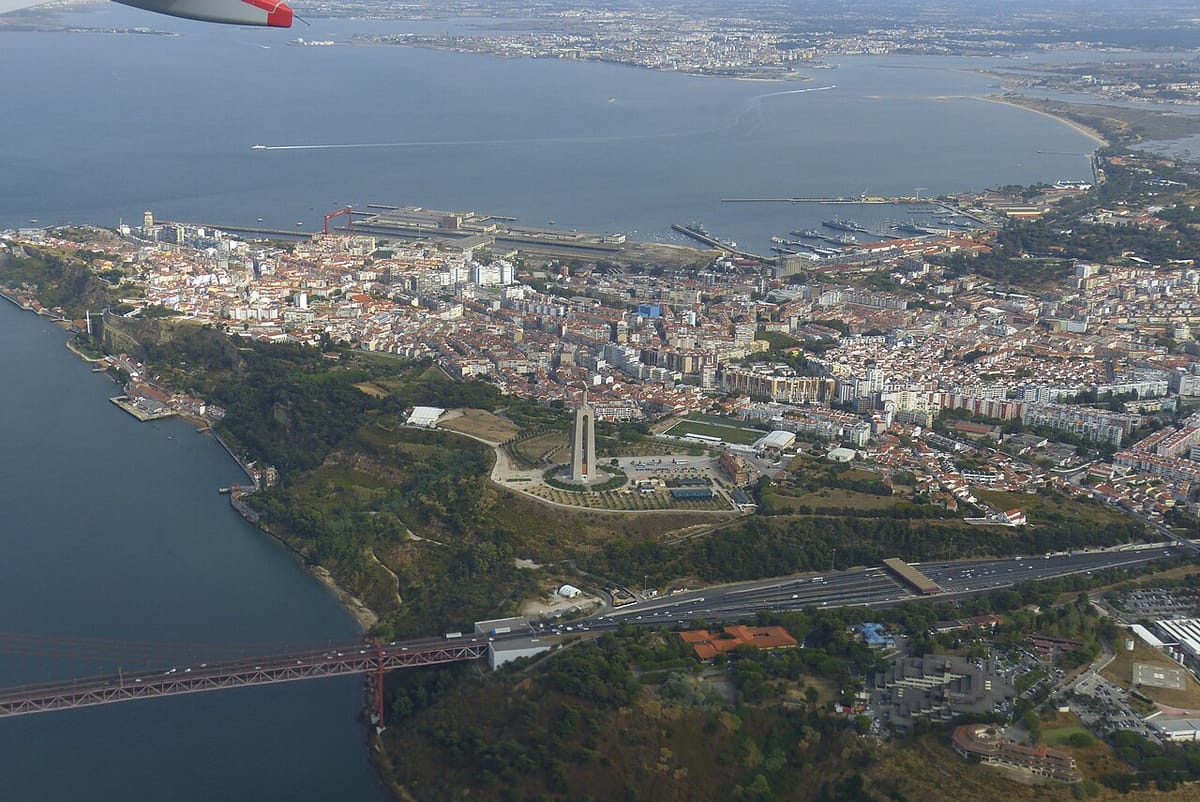
Almada’s water crisis has now run long enough to be measured in months rather than days. On Friday the Câmara Municipal de Almada (Almada Municipal Council) published a mayoral order, despacho n.º 44/2026, extending the municipal alert over the town’s water supply until 31 August. The alert — a formal “situação de alerta” (state of alert) that hands the council extra powers to ration and prioritise water — was first declared on 8 July, and had been due to lapse. Instead it will now cover the whole of the peak-consumption summer.
For the roughly 175,000 people who live on the south bank of the Tagus in Almada, the practical meaning is that the restrictions of July carry straight into August. All uses of the public network that are not domestic or essential remain banned: watering public and private gardens and golf courses, filling ornamental fountains and artificial lakes, and hosing down exterior pavements, yards, walls and roofs. On the worst nights the council has gone further, cutting supply entirely between 10pm and 6am in a rotation of parishes so that reservoirs can refill overnight; at various points six localities have been left without water at once.
What actually caused it
The council describes the situation as exceptional, and blames a surge in consumption that the network was never sized to carry. Average use in Almada has climbed past 300 litres per inhabitant per day, against a national average of roughly 180 litres — a level the municipal water service, the Serviços Municipalizados de Água e Saneamento (Municipal Water and Sanitation Services, SMAS), says has put unprecedented pressure on the system. Summer heat, a swollen holiday population and a run of failures at the supply end combined to drain reserves faster than they could be replenished. As of 30 July the town’s stored water stood at 78 percent of capacity, enough to keep taps running but not enough to lift the alert.
To buy headroom, the council has been drilling emergency boreholes (furos) to add local supply, alongside the appeals for residents to cut back. The disruption has bred visible frustration: residents have described rotating between friends’ homes to shower, and demanded to see a contingency plan before a summer festival brought thousands more people into the town.
A warning that was never just about Almada
The town’s troubles have become a case study in a national weakness. Portugal loses about a quarter of its treated water to leaks from ageing pipes, and the head of the state utility group Águas de Portugal used Almada earlier this month to warn that the town is far from alone in running its infrastructure to the edge. The episode also lands as the cost of the service keeps climbing: the average household water bill rose for a fifth straight year to €34.65 a month in 2026, with a wide gap between the cheapest and dearest councils.
For residents, the immediate advice is unchanged from when the council first banned all garden watering at the start of the month: keep non-essential use to zero, expect overnight cut-offs to continue through August, and store a little drinking water against the nights when a parish goes dry. The council says the alert will be reviewed again at the end of the month — and whether it can finally be lifted will depend less on the weather than on whether Almada’s consumption falls back within what its pipes can actually deliver.