About 40 Campanhã Households Sit in the High-Speed Line's Path, and Porto Is Weighing Municipal Land at Noeda to Rehouse Them
The câmara says it has identified council land behind Campanhã station and is examining its use with LusoLav, covering owners and tenants alike. The execution project foresees 236 demolitions between Porto and Oiã, and residents say nobody has visited them since the route was published in 2024.

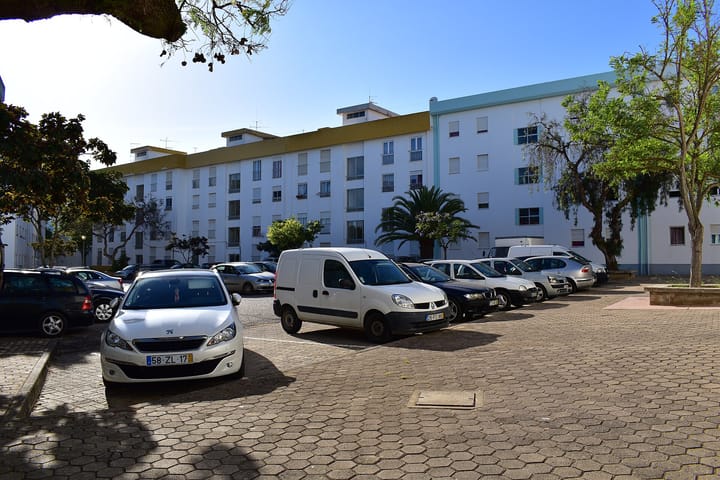
About 40 families in Campanhã, on the eastern edge of Porto, live in houses that the Lisbon to Porto high-speed line will take. The city council has now confirmed to Público that it has identified municipal land at Noeda, a rural pocket immediately behind Campanhã station, and is examining whether it can be used to rehouse them without breaking up the community.
The land came up once before, at a public meeting in the closing months of Rui Moreira's mandate, when residents asked the mayor for help. It was not mentioned again. Asked about it now, the executive led by Pedro Duarte says it retains "total availability" to find solutions that minimise the effects on affected populations and that, as far as possible, "preserve the ties of proximity and the cohesion of the community that currently exists".
What the council says it is actually doing
The work is being done alongside LusoLav, the consortium of Portuguese construction companies contracted to design, build, finance and maintain the first sections of the line, which is meant to link Porto and Lisbon in one hour and fifteen minutes from 2032. The council describes a detailed characterisation of the households to be rehoused, covering family composition, household type, socioeconomic circumstances and projected future housing needs, with owners and tenants both in scope.
From that data it says it is studying "the most appropriate model" for the operation, including the legal basis for using municipal property. That is a careful way of saying the mechanism does not exist yet. Porto is not the expropriating authority: under the concession, the consortium runs the expropriations in the name of the state and pays the compensation.
Two years of not being told
The residents' consistent complaint, from the first publication of the route in 2024 through to this month, is information. Several told Público they have never had a visit or any support from the council. One owner in the Bairro da Alegria bought a house near the railway in 2024, started renovating it, spent six months recovering from knee surgery, and learned from a neighbour on his return that the whole block was coming down.
The execution project foresees 236 demolitions between Porto and Oiã, and the expropriations on that stretch carry urgent public-utility status, which compresses the timetable a property owner has to respond. The Agência Portuguesa do Ambiente cleared the first Porto section this month, but there is still no announced start date for the works, which leaves residents holding an unsellable house and no date.
What this means if you own property near a planned line
- Check the traçado before you buy, not after. The approved alignments and the environmental compliance reports are public. A conveyancing search will not flag a future expropriation.
- Urgent public utility shortens your clock. It allows possession to be taken before the compensation is settled, so deadlines for contesting a valuation matter more than usual.
- Tenants have standing too. Porto's stated scope covers arrendatários as well as owners, which is unusual and worth citing if you rent in an affected area.
- The council is not your counterparty. Compensation comes from the concessionaire acting for the state. The câmara can lobby and can offer land; it cannot set your price.
Porto goes to municipal elections this autumn, and a rehousing scheme on municipal land would need a legal framework, a budget and a builder before anyone moves. For the 40 households behind Campanhã station, the useful news on Monday was smaller and more concrete: the land they were told about two years ago is being looked at again.