A Transparency Watchdog Faults the Oversight of Portugal's €5.8 Billion EU Defence Loan as Little More Than After-the-Fact Control
Transparency International Portugal has judged the government's oversight model for the €5.8 billion SAFE defence-loan programme 'clearly insufficient,' warning it reduces scrutiny of frigates, vehicles and drones to a 'mere ex-post control' by bodies that answer to the ministers who authorise the s
Portugal's leading anti-corruption body has delivered a blunt verdict on how the country intends to police the biggest single tranche of military spending in a generation. On 14 August, Transparência e Integridade — the Portuguese chapter of Transparency International (TI Portugal) — judged the government's oversight model for the SAFE programme "clearly insufficient to guarantee the scrutiny and evaluation" of the instrument, warning that it reduces accountability to "a mere ex post control" — checking the spending only after the money has gone out the door.
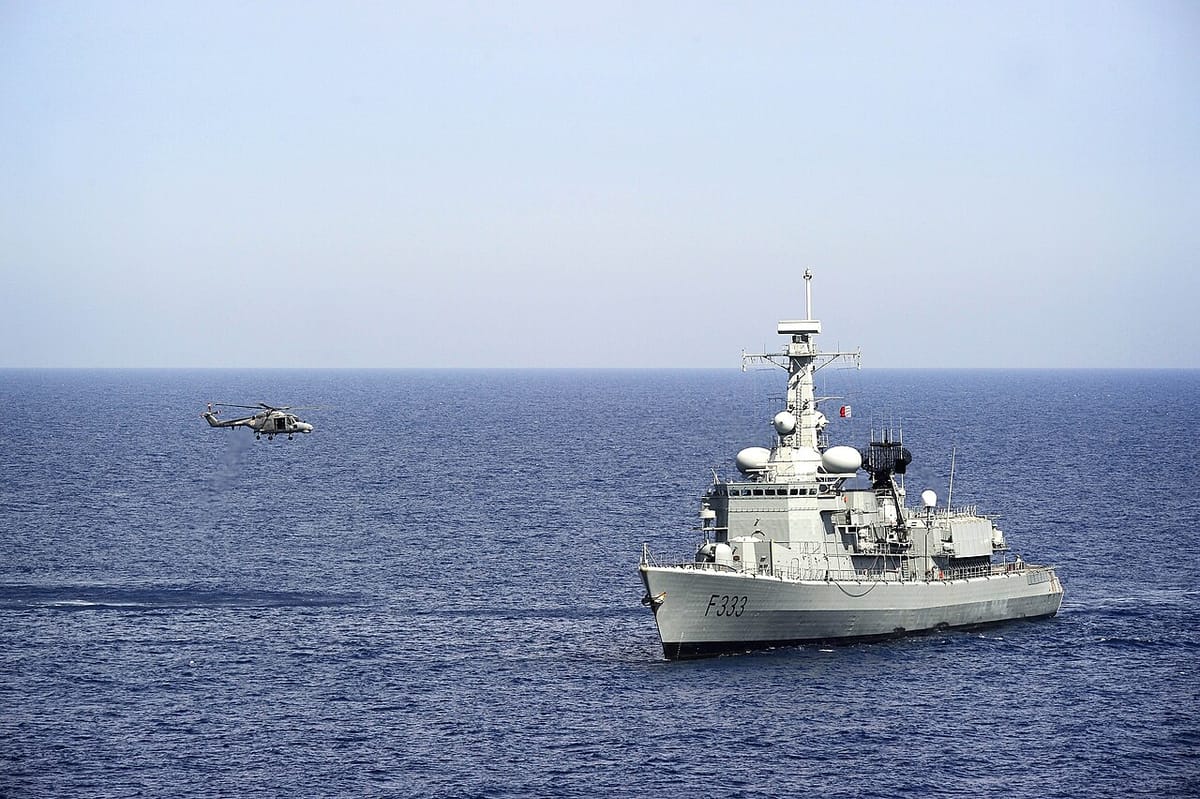
SAFE — Security Action for Europe, the European Union's new joint defence-borrowing instrument — is the vehicle through which Portugal expects to draw around €5.8 billion to re-equip its armed forces over the coming years: frigates, armoured vehicles, satellites and drones among them. It is a very large number for a country whose entire defence budget runs to a few billion euros a year, and the question of who watches the spending has become as politically charged as the shopping list itself.
What the government built, and what the watchdog objects to
In the spring the government approved a "mission structure" to run SAFE, and on 6 August it signed off on the full governance model. It rests on two bodies. The first is a technical monitoring commission for SAFE (known by its Portuguese initials, CAD-SAFE), led by the Inspeção-Geral de Finanças (Inspectorate-General of Finance) alongside an audit specialist and the Inspector-General of National Defence. The second is the Comissão de Acompanhamento dos Investimentos na Defesa (CAID — Defence Investments Monitoring Commission), chaired by an independent figure but staffed with representatives of the ministries of Defence, Foreign Affairs, Finance and Territorial Cohesion.
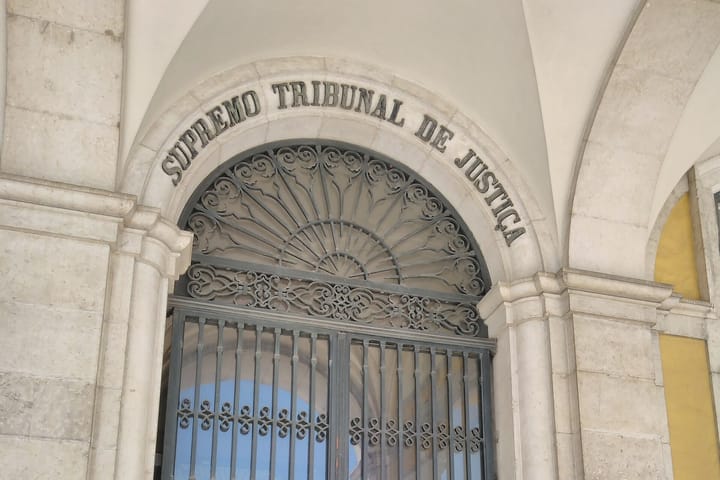
The Ministry of National Defence, led by Nuno Melo, has presented this arrangement in superlative terms — as the most effective and transparent system for scrutinising defence investment, "with redundancies," in the history of Portuguese democracy. TI Portugal is not persuaded. Its central objection is one of independence: a body that answers, in effect, to the very government members who authorise the spending cannot credibly audit it. The organisation gave a negative assessment to the CAID in particular, and criticised the fact that the Tribunal de Contas (Court of Auditors) and the Procuradoria-Geral da República (Attorney General's Office) are, at most, invited to meetings rather than seated as full members of the oversight structure.
"Speed cannot compromise the necessary oversight," the group argued, "nor legitimise that the control of €5.8 billion be entrusted, without means and without guarantees of independence, to those who answer to the members of the government who authorise the expenditure." The reference to speed is pointed: SAFE money comes with tight EU deadlines, and the government has leaned on urgency to justify a lighter, faster process.
Why the argument matters beyond the barracks
Defence procurement is where large sums, national-security secrecy and long supplier relationships meet — historically fertile ground for waste and worse, in many countries. The concern TI Portugal raises is not that anything has gone wrong, but that the architecture makes it hard to know if it does, and harder still to catch it early. Its preferred model would put genuinely independent auditors — the Court of Auditors chief among them — inside the process from the start, with real powers and resources, rather than reviewing files after contracts are signed and equipment ordered.
The critique also lands amid unease about specific purchases. The Brief has reported on the government's plan to buy frigates that, on the numbers presented to Parliament, would cost Portugal appreciably more than near-identical ships are costing Italy — an example of exactly the kind of deal that independent, up-front scrutiny is designed to interrogate. SAFE will finance a wave of such acquisitions, which is why the rules of the game are being fought over now, before most of the money is committed.
What this means for residents
- Public money, public interest: €5.8 billion is being borrowed and will be repaid by taxpayers over years. How rigorously it is watched is a direct fiscal question, not just a defence one.
- Watch for the institutions named: whether the Tribunal de Contas and the Attorney General's Office end up with a formal role in SAFE oversight is the clearest signal of how seriously the independence critique is being taken.
- A recurring pattern: "the most transparent ever" is a claim Portuguese governments have made about several oversight schemes. The value of a watchdog like TI Portugal is that it tests such claims against the fine print.
- No allegation of wrongdoing: this is a warning about design, not a scandal. The point is to fix the framework before problems can arise, not after.
The government now has a choice: treat the verdict as an outside critic's opinion to be noted and filed, or strengthen the model before the contracts start flowing. With the first large SAFE-funded purchases still ahead, there is time to do the latter — and a well-argued case, from the country's most prominent transparency body, for why it should.