A Torres Vedras Cliff Yields What May Be Portugal's Most Complete Dinosaur
Palaeontologists working the cliffs at the mouth of the Sizandro river have recovered an armoured ankylosaur estimated to be about 85% complete — potentially the most complete dinosaur skeleton ever found in the country.
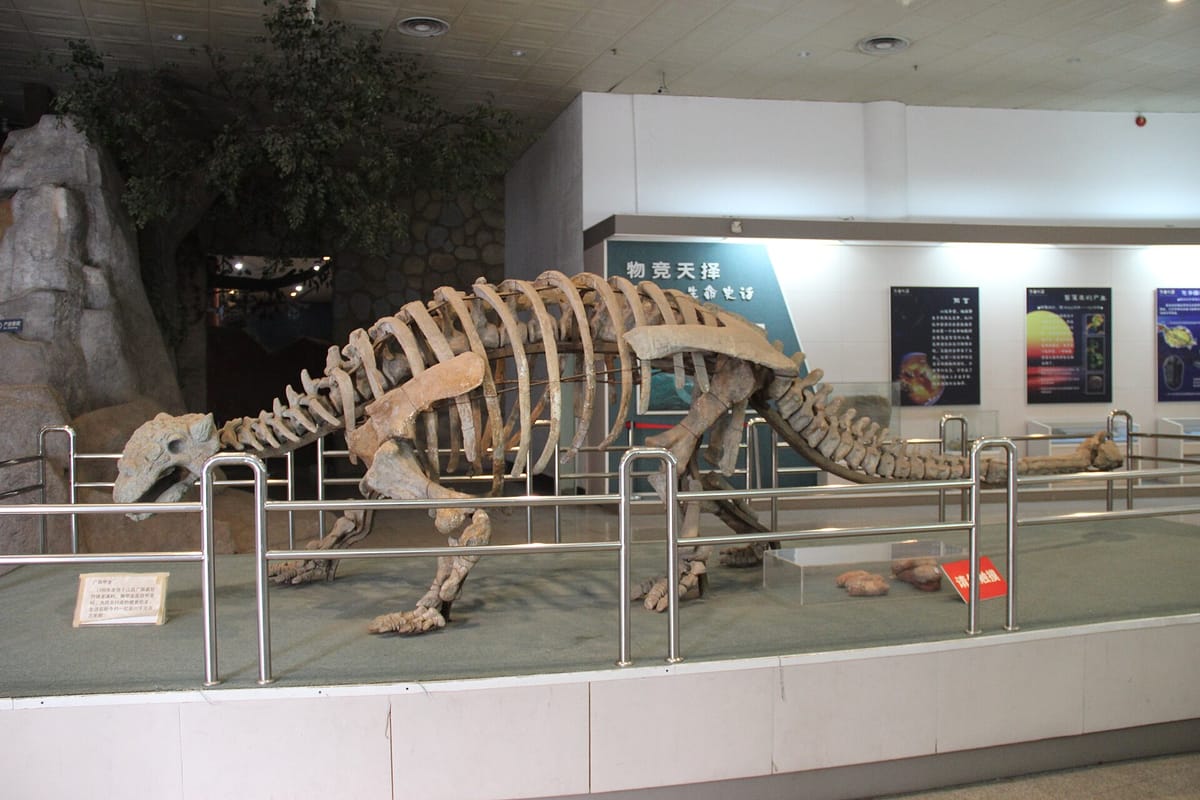
An armoured dinosaur emerging from the sea cliffs at Torres Vedras, north of Lisbon, may turn out to be the most complete dinosaur skeleton ever recovered in Portugal — and one of the oldest of its kind found anywhere in continental Europe. Palaeontologists say the animal, an ankylosaur from the Late Jurassic, is roughly 85% complete, a figure almost unheard of for a dinosaur of its age.
Ankylosaurs (in Portuguese, anquilossauros) were squat, four-legged plant-eaters whose bodies were sheathed in bony plates and spikes — natural armour that makes their remains distinctive when they weather out of rock. The Torres Vedras specimen dates to the Kimmeridgian stage of the Late Jurassic, placing it at around 150 to 155 million years old. Its exceptional preservation offers a rare window onto a group that is poorly represented in the European fossil record from that period.
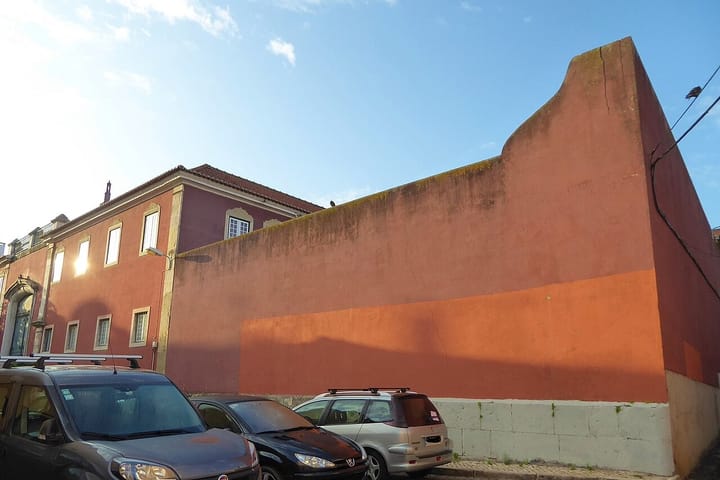
The find began almost by chance. In June 2025, Luís Domingos, a researcher at the Centro de Investigação em Paleobiologia e Paleoecologia (Centre for Research in Palaeobiology and Palaeoecology, or Ci2Paleo), part of the Sociedade de História Natural (Society of Natural History), spotted part of a femur exposed on a cliff at the mouth of the Sizandro river. What looked at first like a single bone proved to be the leading edge of a far larger skeleton locked in the rock face.
Over the summer of 2025, the team recovered around 45 osteoderms — the bony plates that formed the animal's armour — which allowed it to be identified confidently as an ankylosaur. Excavation resumed in the summer of 2026, and the researchers now believe still more of the skeleton lies buried. "The dinosaur is about 85% complete," said team member Bruno Camilo, "but it could be even more complete, as we believe the two front limbs are beneath the spikes and osteoderms."
If the current assessment holds, the specimen would surpass anything previously unearthed in Portugal for completeness. That matters because most dinosaur species are described from fragmentary material — a few bones, a partial jaw, scattered teeth. A skeleton preserved at this level lets scientists study how the animal was built, how its armour was arranged across the body, and how it relates to ankylosaurs found elsewhere in Europe and beyond.
The discovery adds to Portugal's already considerable standing in Jurassic palaeontology. The stretch of coast running north from the capital, taking in the fossil-rich Lourinhã Formation, has yielded a steady stream of dinosaurs, eggs and nests over recent decades, making it one of the most productive Late Jurassic sites in Europe. The Torres Vedras ankylosaur, painstakingly freed from a crumbling cliff over two field seasons, looks set to become one of the region's headline specimens — and a reminder that the country's coastline still holds discoveries of international significance beneath the surface.