A Suspect in Portugal's Five-Tonne Cocaine Seizure Is Found Dead in a Lisbon Cell
An Indian crew member arrested after the interception of a container ship carrying five tonnes of cocaine was found hanged in a Judicial Police holding cell in Lisbon. A senior officer called it 'on the face of it, a failure'; the prison and reintegration service has opened an inquiry.
One of the men arrested in Portugal's largest cocaine seizure of the year has been found dead in a detention cell in Lisbon, prompting an official inquiry into how the death was allowed to happen. The detainee, an Indian national who had served as a crew member on the container ship intercepted off the coast, was discovered hanged in a holding cell attached to the Polícia Judiciária (Judicial Police, or PJ) at around eight o'clock in the morning.
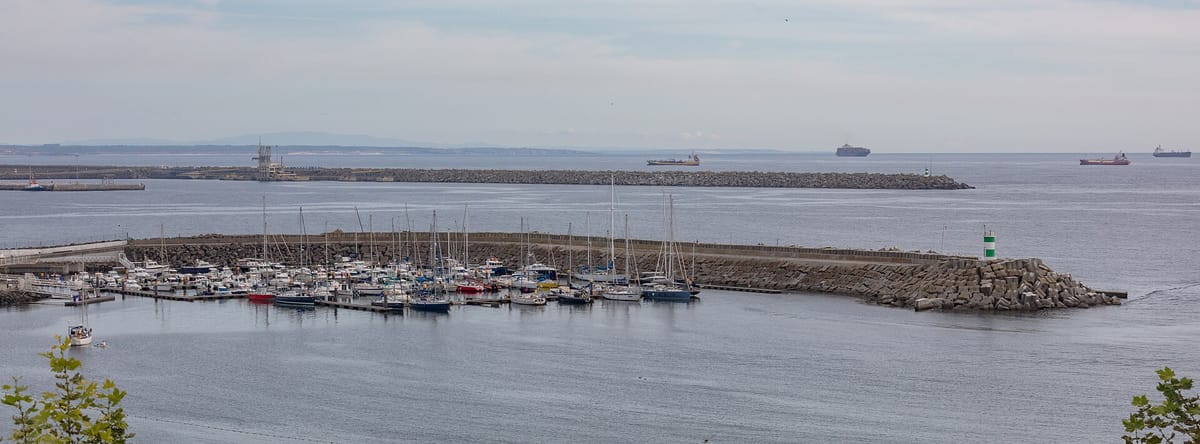
The man was one of three people detained after the interception of a cargo vessel carrying five tonnes of cocaine, a haul that ranks among the heaviest ever landed by Portuguese authorities. The ship was stopped roughly 640 nautical miles — about 1,185 kilometres — off Lisbon and escorted into port by the Navy, in an operation coordinated with international partners. Alongside the Indian crew member, an Italian and a Colombian stowaway were also arrested.
The circumstances of the death drew immediate criticism. José Bastos Leitão, a chief superintendent speaking about the case, described what happened as "à partida, uma falha" (on the face of it, a failure), noting that regulations are meant to prevent exactly this kind of outcome. Detention cells are required to be free of any fixture that would allow a prisoner to fashion a ligature, and the fact that a detainee was able to take his own life points to a lapse in those safeguards. João Oliveira, who heads the national unit against drug trafficking, was among the officials confronting the fallout.
The Direção-Geral de Reinserção e Serviços Prisionais (Directorate-General for Reintegration and Prison Services) opened an inquiry to establish how the man was held, whether the cell met the required standards, and whether staff followed the monitoring procedures that apply to newly detained suspects. Such reviews typically examine both the physical condition of the facility and the supervision arrangements in place at the time.
Deaths in custody carry particular weight because the state assumes a duty of care over anyone it detains, and a suspect who dies before trial can never answer the charges against him. In this instance the loss also complicates the investigation: the crew member's account of how the shipment was loaded, routed and financed would have been a valuable thread for prosecutors trying to trace the network behind a consignment of this size. With his death, one potential source of evidence is gone.
The seizure itself had been presented as a significant win against the maritime trafficking routes that increasingly funnel South American cocaine toward European ports, with Portugal's long Atlantic coastline a recurring point of entry. The death in custody now shifts part of the story onto the conditions in which suspects are held once they reach Portuguese soil. The inquiry's findings will determine whether the failure was a one-off breakdown or evidence of a wider gap in how high-profile detainees are supervised in the crucial first hours after arrest.