A Spanish Tip-Off on the Guadiana Ends With 2,133 Bales of Hashish and Seven Men in Custody
The GNR's coastal-control unit took roughly 5,320 kilograms of cannabis resin near Castro Marim on Saturday after the Guardia Civil flagged movements across the river. Seven foreign nationals aged 21 to 39 were detained, along with a pistol, two boats and three vehicles.
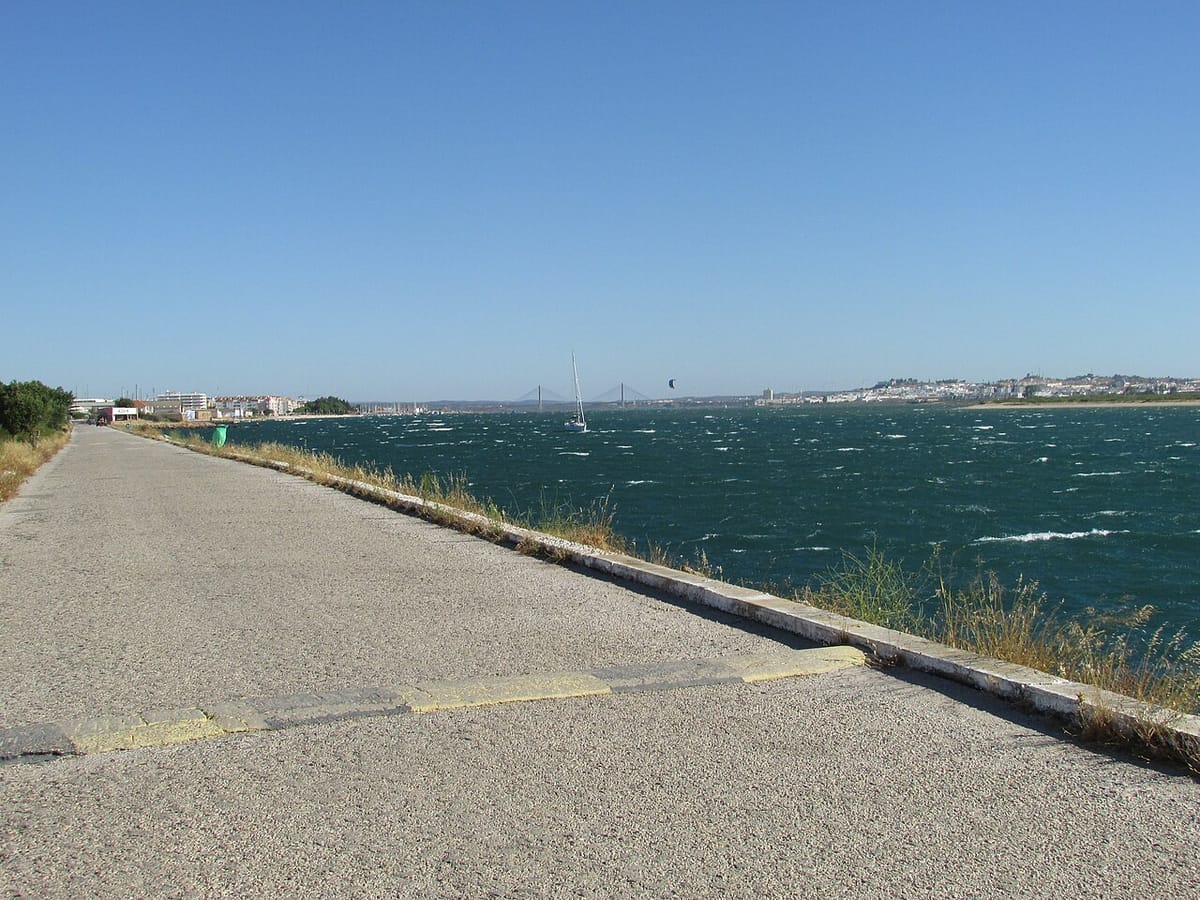
The GNR (Republican National Guard) seized 2,133 bales of cannabis resin on the banks of the Guadiana on Saturday and detained seven men, in an operation disclosed on Sunday. At an average bale weight of 40 kilograms, the haul comes to roughly 5,320 kilograms of hashish, one of the largest single seizures on Portugal's eastern border in recent years.
The operation was run by the coastal-control sub-detachment based at Vila Real de Santo António, part of the GNR's Unidade de Controlo Costeiro e de Fronteiras (Coastal and Border Control Unit), across the neighbouring councils of Vila Real de Santo António and Castro Marim in the Faro district.
A tip-off from the Spanish bank
Spain's Guardia Civil spotted "suspicious movements" opposite Costa Esuri, in the Corte Velha area of Azinhal, Castro Marim, close to a set of ruins on the Portuguese bank. A surveillance operation followed, drawing on land, maritime and aerial assets to intercept those involved before any offence could take place.
Some of the men noticed the patrol and ran, first on foot and then in a car and a boat. The car was stopped with nobody inside it. The GNR's maritime assets caught the vessel and detained the seven men aboard, all foreign nationals aged between 21 and 39. An eighth man has been identified as connected to the case.
The confrontation had begun the night before. On Friday a maritime patrol from the same unit tried to approach a suspect boat linked to the operation. The GNR says the crew "reacted in a hostile manner", attempted to ram the patrol and made for the Canela creek on the Spanish side. The officers blocked that run; the suspects abandoned the boat at Ayamonte marina and fled on foot, and the vessel was seized.
Alongside the hashish, officers took three vehicles, two boats, a pistol with magazine and ammunition, six mobile phones and more than €1,000 in cash. The Faro Territorial Command and the GNR's Intervention Unit reinforced the operation, with support from the Guardia Civil.
Why this stretch of river keeps producing seizures
The lower Guadiana is short, sheltered and international. Morocco lies a few hours' sailing away, the river is the frontier for its final stretch, and a boat that crosses the channel changes jurisdiction in seconds. Multi-tonne hashish seizures have become a recurring feature of the estuary, and the pattern rarely varies: a fast open boat, a waiting vehicle on a quiet riverside track, and a handover measured in minutes.
That route is separate from the cocaine traffic reaching Portugal by container ship and ocean-going speedboat, which produced five tonnes taken off a ship at Sines in early August and 3.35 tonnes recovered with Spanish police a fortnight ago. Hashish comes by a shorter, cheaper route, policed by different units.
Portugal tightened the law here in May, when a regime aimed at high-speed vessels took effect, making possession of an unregistered fast craft an offence and creating a specific charge for crews that turn on their pursuers. Friday night's attempted ramming is exactly the conduct that regime was written for.
What this means for residents in the eastern Algarve
- Expect visible policing on the riverbank. Corte Velha, Azinhal and the tracks behind Costa Esuri sit in an active operational area, where roadside checks and marine patrols are routine.
- Boating near the border carries paperwork risk. Registration and flagging have been enforced more tightly since May. Keep vessel papers aboard on the Guadiana.
- This is not local street crime. Traffic on this scale is a transit business, with little bearing on the retail drug market in Algarve towns.
- Cross-border cooperation is the norm. The Guardia Civil started this operation and the GNR finished it. Information reported on the river travels both ways.
The seven detainees go before a judge for first questioning, with the Ministério Público (Public Prosecution Service) to decide what coercive measures to seek. Nothing has been said publicly about where the load was heading once it left the water. Update: in October 2026 Portugal's drug dissuasion commissions marked 25 years with 213,621 cases opened and nine in ten people assessed found not to be dependent.