A Consular Desk in Catia La Mar Saw More Than 300 Portuguese in a Day, Most of Them Replacing Lost Papers or Registering a Death
Portugal's Consulate General in Caracas is running mobile sessions in La Guaira and will keep doing so until at least the end of the year. Of the 6,509 dead counted after the 24 June double earthquake, at least 138 were Portuguese or of Portuguese descent.
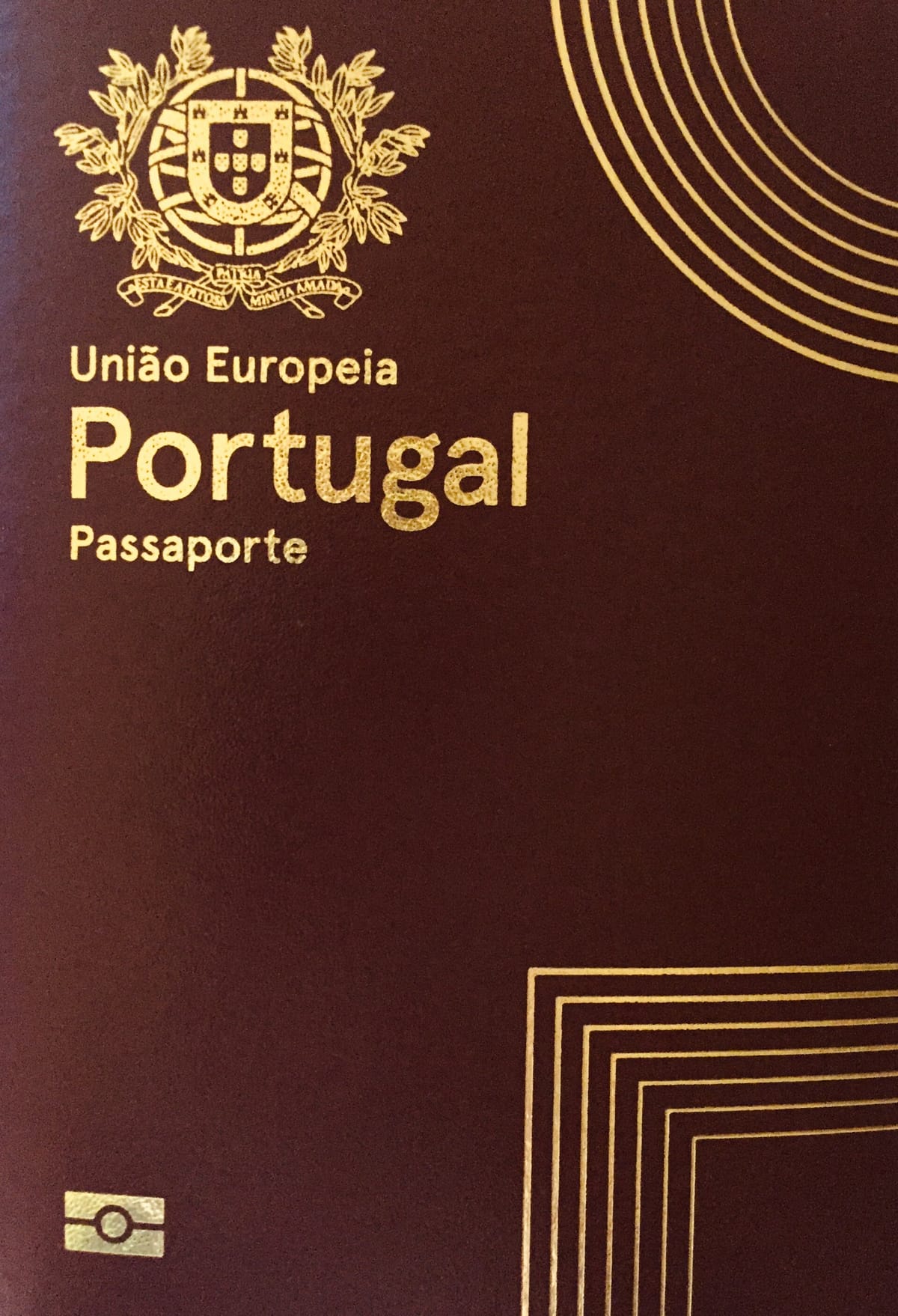
In a single consular session at Cátia La Mar, on the Venezuelan coast, staff from Portugal's Consulate General in Caracas dealt with more than 300 people. Most of them had lost their documents. Some had a death to register.
"We attended more than 300 people. These consular presences are being organised as a way of supporting the [Luso-Venezuelan] population affected in La Guaira, who lost their documents, have deaths to register and passports to obtain," consul-general Luís Macieira de Barros told Lusa on Thursday.
What a consular presence looks like after a disaster
The work is administrative and it is relentless. Alongside passports, Macieira de Barros listed cartões de cidadão, marriage registrations and nationality processes, everything, as he put it, that falls within the competence of the Consulate General in Caracas. These sessions will keep being organised for the coming months, he said, at least until the end of the year.
La Guaira is the coastal state north of Caracas, and it was the worst affected by the double earthquake of 24 June, which caused serious infrastructure damage, injuries and deaths across seven Venezuelan states: Caracas, Miranda, Aragua, Carabobo, Lara, Yaracuy and La Guaira. According to the latest official figures cited by Lusa, 6,509 people died and 226,696 were treated in hospital. At least 138 of the dead were Portuguese or of Portuguese descent.
The physical damage runs to at least 190 collapsed buildings. Authorities inspected 60,785 homes, classified 11,001 as high risk and found around 25,240 uninhabitable. Some 600,790 tonnes of rubble have been cleared.
One family's route out
Among those at the session was Hermínia Pinto de Fernandes, who runs the folk group of the Luso-Venezuelan Centre of Cátia La Mar and who lost everything in the quakes. She lost her right arm in the collapse and her left hand needs physiotherapy. She came to say goodbye to the local Portuguese community before travelling to Valencia and on to Madeira, where her husband, son and a granddaughter are settled in Boa Nova, in the parish of São Gonçalo, and where she hopes to be helped to start again.
That is the shape of the caseload. The consulate is not processing an emergency; it is processing the paperwork of people whose lives have been rearranged, and a good deal of that paperwork is the precondition for leaving.
The wider Portuguese response
Portugal's response since June has been consular and logistical rather than a repatriation. Madeira, whose diaspora ties to Venezuela are the deepest of any Portuguese region, mobilised consular help within days. In July, Lisbon shipped eight tonnes of donated medicine, and TAP restarted flights, rerouted to Valencia because of damage at Caracas. Earlier this month Portugal's ambassador ruled out a mass return of Portuguese nationals.
The mobile consular sessions are the practical consequence of that position. If people are not being evacuated as a group, they need their documents rebuilt where they are, one desk at a time.
What This Means for Foreign Residents
- Consular services are geographic, not national. A Portuguese citizen abroad is served by the consulate with territorial competence, and outside a crisis those services often come to you rather than the other way round. The same principle applies to the Portuguese consular network wherever you hold citizenship from.
- Death registration abroad is a Portuguese civil-registry act. A death of a Portuguese citizen overseas has to be transcribed into the Portuguese registry before inheritance, pensions or survivor benefits can move. It is the reason those queues form.
- Keep certified copies outside your home. The single most common request at Cátia La Mar was a replacement document. Digital copies of your passport, cartão de cidadão and civil-registry certificates, stored somewhere that is not your house, save months.
- The Luso-Venezuelan community is a Portuguese community. Madeira has the deepest family ties to Venezuela of any Portuguese region, and arrivals from La Guaira over the coming months are likely to land there and in the north of the mainland.