A Burst Water Main Floods a Tunnel and Empties the Lisbon Metro's Red Line onto the Tracks
A water pipe burst near Encarnação station at around 5.20pm on 28 July, flooding a Red Line tunnel and stranding a train. After a passenger forced a door and walked onto the tracks, the Metro cut power to the whole line. No injuries were reported; EPAL was to repair the pipe that evening.
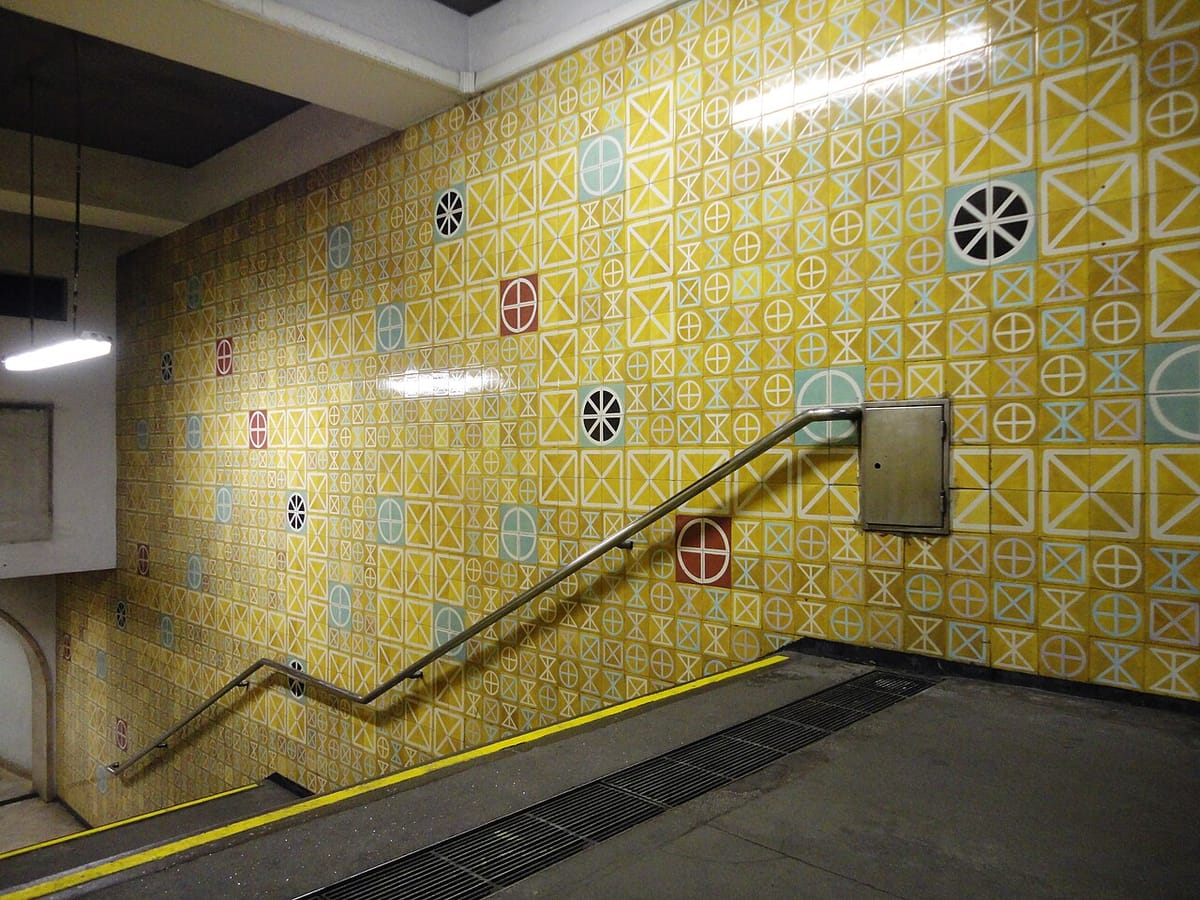
Lisbon's Metro had a chaotic Tuesday evening after a water main burst inside a tunnel on the Red Line, flooding the track, stranding a train and eventually emptying the entire line as staff cut the power. What began as a plumbing failure turned into a safety incident when passengers, tired of waiting in a stalled carriage, forced a door open and climbed down onto the tracks.
The pipe ruptured at around 5.20pm on 28 July in the tunnel near Encarnação station, on the branch that runs out to the airport. Water poured into the tunnel and immobilised a train, leaving passengers sitting in place with no clear timeline for rescue.
Passengers on the tracks
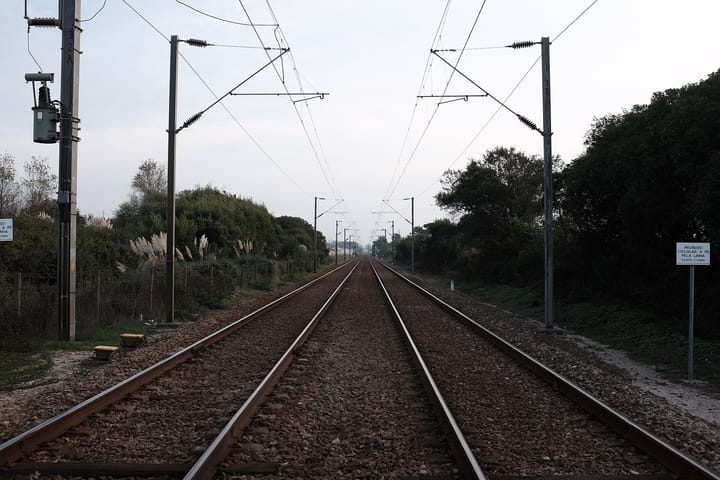
At least one passenger decided not to wait. After forcing a train door open, they stepped out onto the track bed, and others followed — a dangerous move in a live rail environment. The Metro operator responded by cutting power to the whole Red Line “for safety reasons,” a decision that protected anyone on the tracks but also brought the entire line to a standstill.
With the current off, circulation was interrupted along the stretch between Chelas and Aeroporto (the airport). Service was later partially restored between São Sebastião and Chelas, but for much of the evening travellers on one of the city's busiest lines were left to find alternatives during the commute home.
Firefighters pump out the tunnel
By 8pm, firefighters were still working to pump the accumulated water out of the tunnel, and EPAL — the Empresa Portuguesa das Águas Livres, the utility responsible for Lisbon's water supply — was tasked with repairing the ruptured pipe that same evening. No injuries were reported, a fortunate outcome given that people had been walking in a tunnel where trains normally run.
The episode highlights how a fault in one piece of ageing underground infrastructure can cascade into another. A burst water pipe should not, in itself, shut down a metro line; it did so here because the flooding and the passengers' response together forced the operator to kill the power as a precaution.
Why it resonates
For a network that carries hundreds of thousands of journeys a day, evenings like this one erode confidence as much as they disrupt schedules. The sight of passengers abandoning a train and walking the tracks points to a communication gap as much as a mechanical one: people are far likelier to take risks when they do not know how long they will be stuck or when help is coming.
The incident also lands amid wider scrutiny of the reliability of Lisbon's transport and utility networks during a hot, high-demand summer. For residents, the practical takeaway is familiar — keep an eye on service alerts before travelling — but the underlying message is about the resilience of the systems the city depends on, and how quickly a single failure can ripple outward.