Volkswagen's Capacity Cuts Unsettle Portugal's Auto-Components Industry as a Third Down Year Looms
Volkswagen's plan to cut production capacity 25% and axe half its models is rattling Portugal's auto-components makers, whose exports fell 7% in May. Industry body AFIA warns 2026 will bring more losses and job cuts, though the Autoeuropa plant in Palmela looks set to be spared.
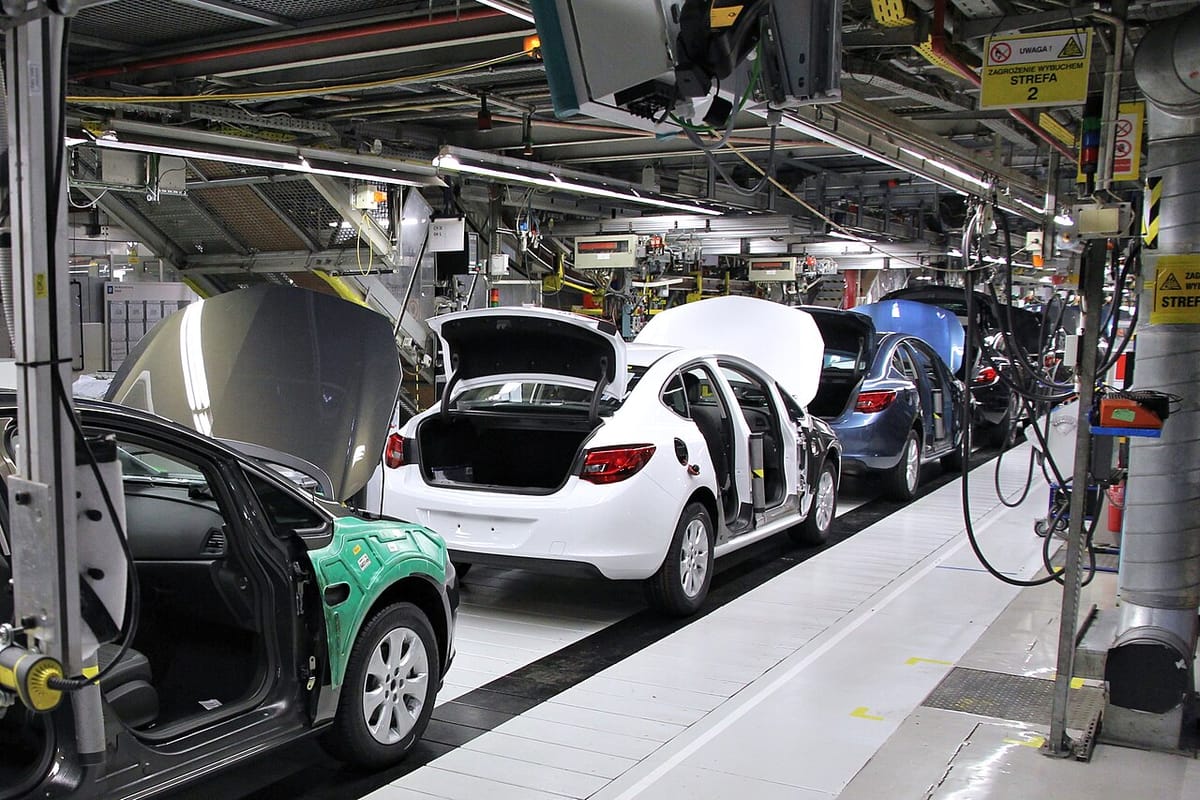
Volkswagen's decision to shrink its global manufacturing footprint is sending a chill through one of Portugal's largest and least-visible industries: the makers of the parts that go inside other companies' cars. As the German group prepares to cut production capacity and prune its model range, Portuguese component suppliers are bracing for a third straight year of falling sales — and, industry leaders warn, more job losses.
Volkswagen plans to cut annual production capacity from about 12 million vehicles to 9 million, a 25% reduction, while phasing out roughly half of its current car models. For a Portuguese supply base built to feed European carmakers, fewer vehicles and fewer variants mean fewer orders. The strain is already visible in the trade data: Portuguese auto-component exports fell 7% year-on-year in May, a sharper drop than even the sector's own gloomiest forecasts.
A sector already in retreat
The components industry is not starting from a position of strength. Exports slipped below €12 billion in 2025 — around 85% of the sector's total sales — marking a third consecutive year of contraction. José Couto, president of AFIA (Associação de Fabricantes para a Indústria Automóvel, the association of automotive industry manufacturers), was blunt about the outlook, saying "2026 will be another negative year" and warning that companies expect to reduce their workforces.
That matters well beyond the factory gate. Auto components are one of Portugal's export champions, employing tens of thousands across the north and centre and anchoring industrial towns that have few alternative large employers. A prolonged downturn ripples into logistics, tooling and local services.
One bright spot: Palmela
Not every plant faces the same squeeze. Autoeuropa, the Volkswagen assembly plant in Palmela south of Lisbon, is expected to be spared the worst, thanks to its role building the new T-Roc and its slated production of the VW ID.1 electric city car from 2027. A secure model pipeline is precisely what keeps an assembly plant — and the suppliers clustered around it — busy.
What This Means for Expats
- Industrial jobs may tighten. If you live in a components hub in the Aveiro, Braga or Porto belts, expect a softer local labour market in the sector through 2026.
- Autoeuropa remains a relative safe harbour. The Palmela plant's electric-car mandate makes the Setúbal peninsula less exposed than the export-only parts makers.
- Export weakness weighs on the wider economy. Cars and parts are a big chunk of Portuguese exports, so a bad year here drags on growth and the trade balance.
- The EV transition is double-edged. New electric models can rescue some plants while stranding suppliers tied to combustion-engine parts.
Portugal has been trying to move its industrial base up the value chain — pitching itself for battery, semiconductor and data-centre investment and floating six large business zones to anchor multinationals. But the components squeeze is a reminder that the legacy auto economy still carries the payroll today. The May export slump was already visible when overall exports slipped 1.5% and industrial turnover cooled; whether Portuguese suppliers can pivot to electric platforms fast enough will decide how deep this cycle cuts, even as corporate profitability nationwide held near a record.