Industrial Turnover Cooled to 7% Growth in May as Export Momentum Faded
Industrial turnover rose 7% year-on-year in May, INE data show — down from April's 9.4%, with turnover falling 0.8% on the month. Energy did most of the work; consumer goods were near flat, industrial employment slipped 0.7% and export growth decelerated sharply.
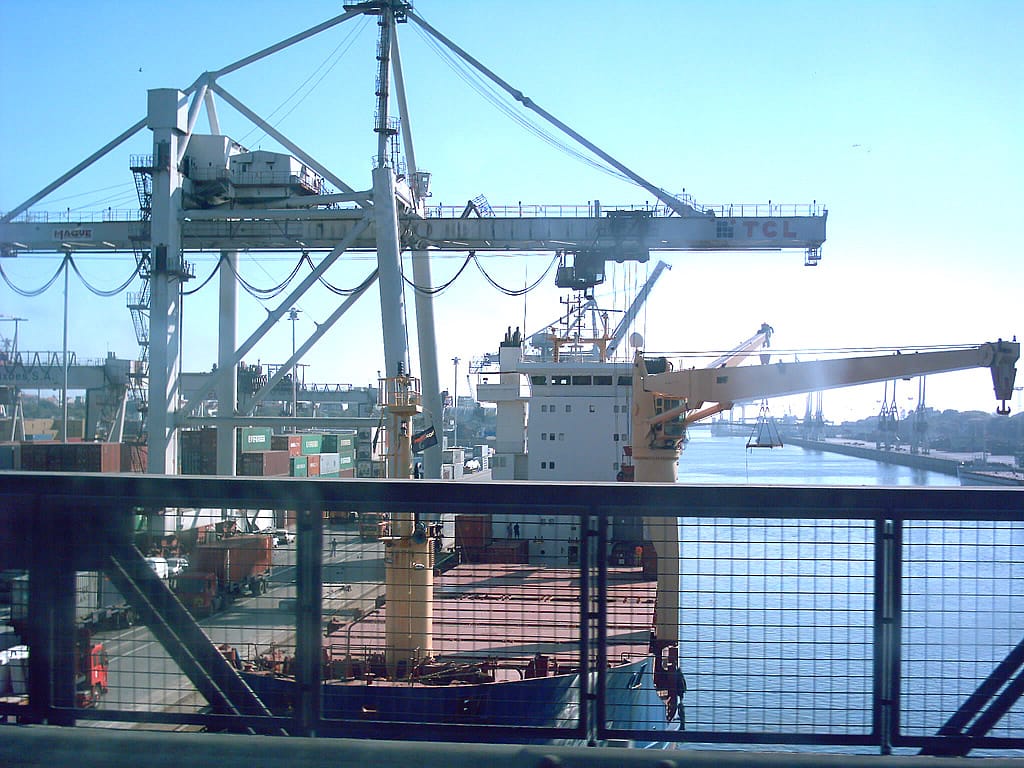
Portugal's factories are still growing, but the pace is easing. Industrial turnover rose 7 percent in May compared with a year earlier, according to figures released by the Instituto Nacional de Estatística (National Statistics Institute, or INE) — a solid number on its own, but 2.4 percentage points slower than April's 9.4 percent. Strip out the volatile energy sector and the slowdown is sharper: turnover excluding energy grew 4.2 percent, half the 8.4 percent recorded a month earlier.
The month-on-month picture turned negative outright. Adjusted for seasonal and calendar effects, turnover fell 0.8 percent from April, reversing the 1.5 percent gain the industry had posted the month before. In other words, the annual figure still looks healthy largely because it is measured against a weaker May 2025 — the underlying momentum cooled as spring ended.
Energy is doing the heavy lifting
Almost all of May's growth came from one place. Energy turnover surged 19.3 percent year-on-year, contributing 3.7 percentage points to the headline number — more than half of it. Capital goods (machinery and equipment) added a respectable 8.4 percent, worth 2.7 points. The broad middle and bottom of the economy was far softer: intermediate goods rose just 2.5 percent, and consumer goods barely moved, up 0.6 percent and adding a token 0.2 points.
That concentration matters. When a single, price-driven sector accounts for the bulk of a growth figure, the number flatters the wider industrial base. Consumer-goods makers — the firms most exposed to how much households are actually spending — are close to flat, a reading that squares with the recent survey in which four in ten Portuguese said they were worse off than a year earlier.
Home market outpaces exports
By destination, the domestic market grew 8.2 percent and external markets 5.1 percent — but both decelerated, exports especially, sliding 4.4 points from April. With global trade rattled by tariffs and Middle East tensions pushing energy prices around, Portuguese exporters are feeling the drag of a jittery external environment more than domestic-facing producers.
The labour side is quietly shrinking
Two other INE indicators, released alongside the turnover data, point the wrong way. Employment in industry fell 0.7 percent year-on-year — a steeper drop than April's 0.1 percent — and hours worked declined 1.4 percent. Wages, by contrast, kept rising, up 3.7 percent, though even that gain was slower than the 4.2 percent of the previous month. Fewer people, working fewer hours, for higher pay: a pattern consistent with an industry becoming more productive but not adding jobs.
What it means
- The trend, not the headline: A 7 percent annual rise sounds strong, but the negative monthly reading and the fading of every sector except energy suggest the momentum built earlier in the year is running down.
- Watch consumer goods: With household budgets under pressure, near-flat consumer-goods output is the number to track for signs of a broader stall.
- Exports are the swing factor: A 4.4-point drop in external-market growth in a single month is the clearest warning that global conditions are starting to bite.
None of this signals a downturn — industry is still expanding, and energy is genuinely booming. But May's data is the first clear sign this year that the easy gains are behind Portugal's factory floor, and that the second half will demand more from a slowing economy.