Mota-Engil Lands €185 Million in Mexican Urban-Mobility Contracts, Adding 16 Months to Its Order Book
The Lisbon-listed construction group told the market it had secured two contracts in Mexico — an elevated viaduct and a broader urban-mobility scheme — reinforcing a Latin American business that has become central to its growth.
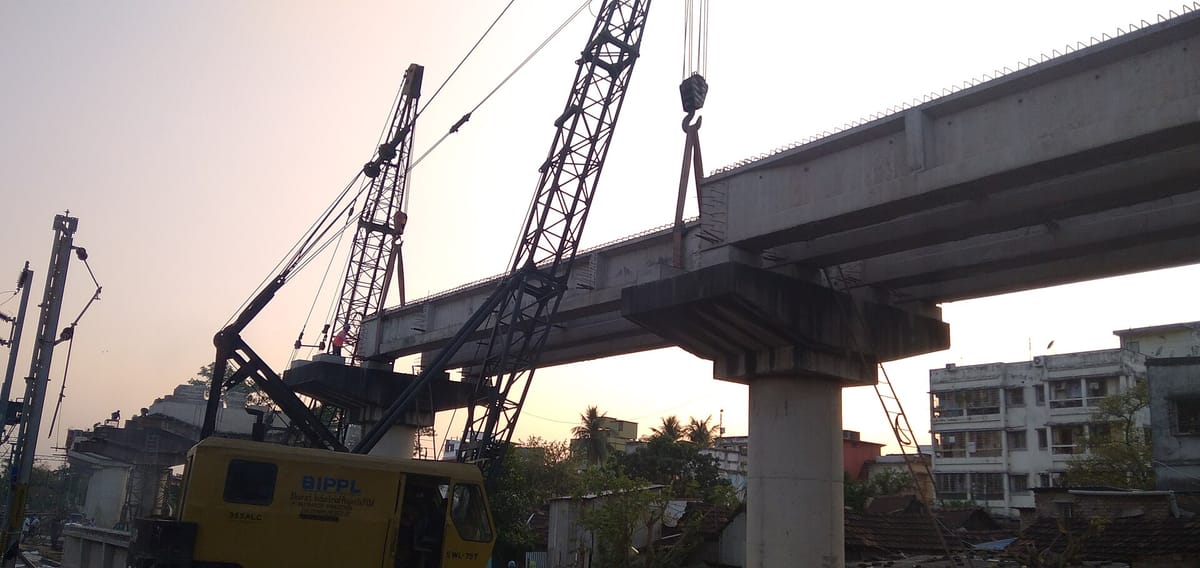
Mota-Engil, Portugal's largest construction group, has secured two new contracts in Mexico worth a combined €185 million, extending the reach of a Latin American business that has become central to the Lisbon-listed company's fortunes. The group disclosed the awards to the CMVM (Comissão do Mercado de Valores Mobiliários — the Securities Market Commission) on Monday.
The work will be carried out by Mota-Engil México, the group's local subsidiary, over roughly 16 months. The first contract covers the construction of an elevated viaduct over an existing roadway. The second is a broader urban-mobility project in a major Mexican city, bundling a new bridge, road and dedicated public-transport lanes with the supply of the transport system itself and the installation of automatic toll-collection technology.
In its filing, the company said the awards allow Mota-Engil México to ensure “growth and diversification of its order portfolio,” reinforcing its position as an integrated engineering-services provider with a widening footprint across the country.
Mexico is no longer a peripheral market for the group. Over the past decade it has grown into one of Mota-Engil's largest single operations, part of a Latin American and African expansion that now generates the bulk of the company's revenue and has repeatedly cushioned it against the ups and downs of the Portuguese construction cycle. The group traces its roots to Mota & Companhia, founded in 1946, and today ranks among the constituents of Lisbon's benchmark index.
Its international ambitions were underwritten in 2021, when the Chinese state-owned China Communications Construction Company (CCCC) took a large stake in the group, giving Mota-Engil deeper access to financing and to major infrastructure programmes in emerging markets. Mexico, with its long pipeline of transport and mobility projects, sits squarely in that strategy.
For investors, the appeal of contracts like these is less the headline figure than the visibility they add. Two awards worth €185 million with a defined 16-month timetable translate into a stretch of secured revenue and keep the local unit's crews and equipment working — the kind of steady order-book replenishment that construction groups prize far more than one-off megaprojects that can swing wildly between profit and loss.
The nature of the work also plays to Mota-Engil's strengths. Elevated viaducts, integrated transit corridors and automated tolling are exactly the kind of complex, systems-heavy civil engineering that commands better margins than plain road-building, and that a mid-sized European contractor can use to distinguish itself from cheaper local competitors.
The announcement lands as Portuguese exporters and multinationals lean ever harder on foreign markets to drive growth, with domestic public works constrained by tighter budgets and the winding down of the pandemic-era recovery fund. For a company that long ago concluded its future lay well beyond Portugal's borders, a fresh pair of Mexican contracts is another confirmation that the strategy is holding.