Scrapping Interior and Algarve Motorway Tolls Handed Foreign Vehicles a €12 Million Free Ride in 2025, Concessionaires Estimate
Vehicles registered abroad avoided about €12 million in charges last year after Portugal removed tolls on interior and Algarve motorways — a cost the concessionaires' body says has shifted onto domestic taxpayers.
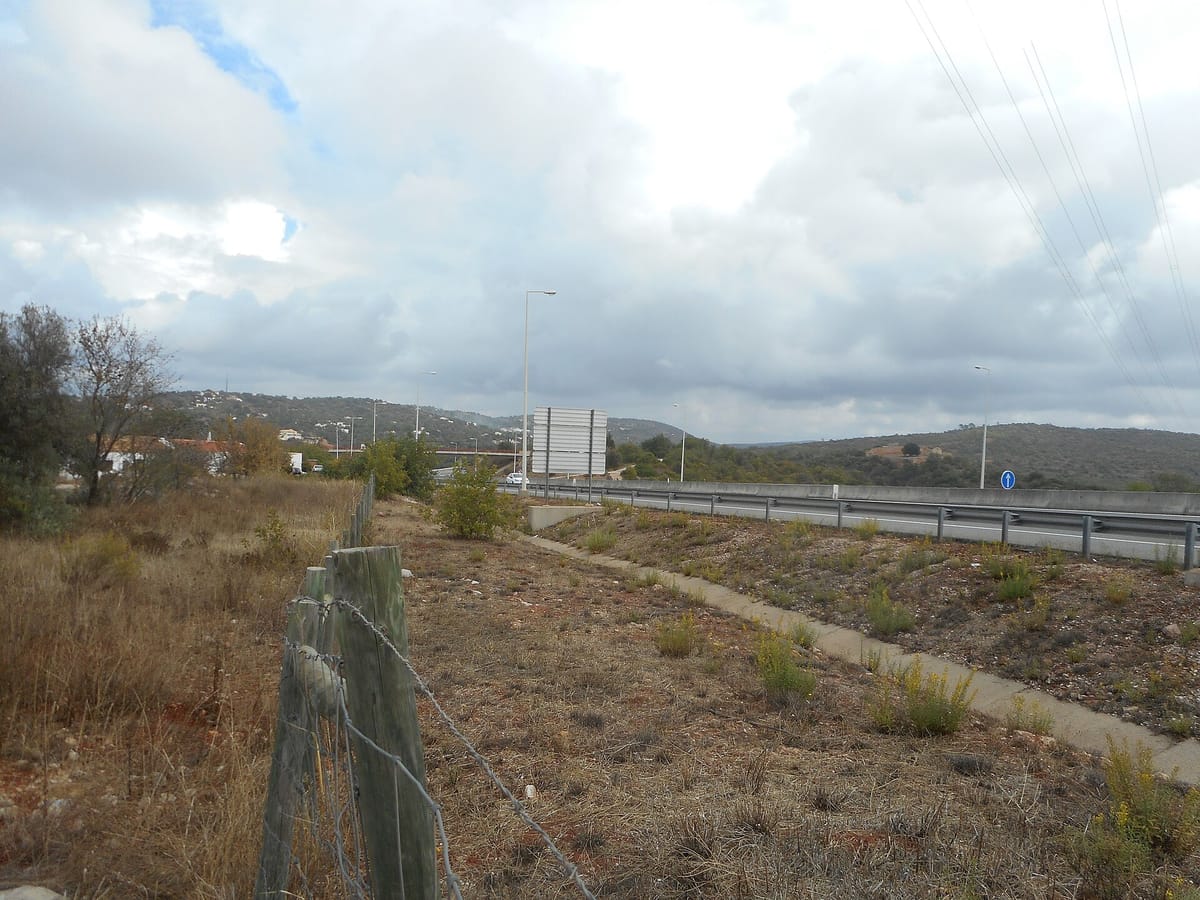
Portugal's decision to abolish tolls on a swathe of interior and Algarve motorways has quietly handed foreign drivers and hauliers a benefit that domestic taxpayers are now footing, the country's road operators say. Vehicles registered abroad avoided roughly €12 million in charges over the course of 2025, according to APCAP (Associação das Sociedades Concessionárias de Auto-Estradas ou Pontes com Portagens — the association of motorway and bridge toll concessionaires).
The tolls came off on 1 January 2025, when the government scrapped charges on a group of interior routes and on the A22, the Via do Infante that runs the length of the Algarve. For residents of long-neglected inland districts the move was a welcome relief; for the tourists and international freight operators who pour into the south each summer, it was an unadvertised discount.
“We estimate that foreign vehicles stopped paying tolls worth around 12 million euros a year on the abolished motorways,” said Manuel Melo Ramos, president of APCAP, adding that the cost “has now come to be financed by the Portuguese taxpayer.”
The logic is straightforward. The roads did not become free to run; only free to use. The concessionaires that built and maintain them are still owed for keeping the tarmac, lighting and safety systems in working order, and with the toll booths switched off the state now covers that bill directly. Every foreign-plated car or lorry that once fed a few euros into the system is now, in effect, subsidised from the national budget.
The Algarve amplifies the effect. The A22 is the spine of a region that swells with holidaymakers between June and September, many of them in rental cars or driving down from northern Europe, alongside a steady stream of international hauliers moving goods between Portugal and Spain. A large share of the traffic that benefits from free passage is, by definition, not Portuguese.
The abolition closed a bitter, decade-long chapter. The A22 and several interior motorways were originally built as SCUT roads (Sem Custo para o Utilizador — “no cost to the user”), free at the point of use until tolls were imposed in 2011 during the financial crisis. Interior mayors and business groups argued for years that the charges strangled local economies and pushed traffic onto dangerous secondary roads, and successive governments faced mounting pressure to reverse them.
APCAP's figure does not weigh those wider gains — the road-safety benefits, the boost to inland tourism and commerce, or the political value of ending a policy that many voters saw as punishing the country's poorest regions. What the concessionaires are flagging is narrower: that a slice of the cost of a domestic cohesion policy is being absorbed by drivers who pay nothing into the Portuguese state, and that the arithmetic deserves to be seen clearly rather than buried in the fine print of a popular decision.