Portuguese Exports Slipped 1.5% in May as Imports Fell Faster and the Trade Gap Narrowed
Portuguese goods exports slipped 1.5% year on year in May while imports fell 3.4%, INE data show, narrowing the trade deficit to €2.234 billion. Sales to Spain and France dropped, and part of the decline reflected falling prices rather than lower volumes.
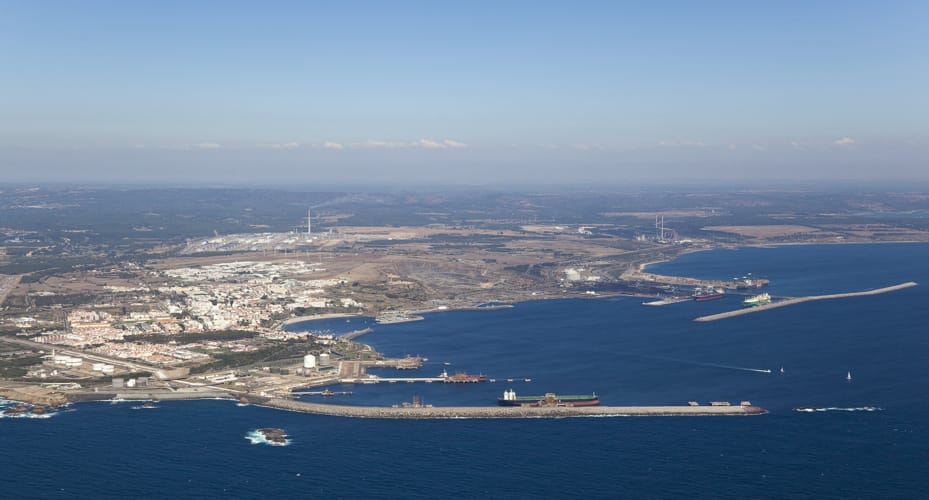
Portugal's trade in goods cooled on both sides of the ledger in May, with exports and imports each falling year on year, according to figures released on Friday by the Instituto Nacional de Estatística (National Statistics Institute, or INE). Exports slipped 1.5% compared with May 2025, while imports dropped a steeper 3.4% — and because imports fell faster, the trade deficit actually narrowed.
The gap between what Portugal buys from abroad and what it sells came in at €2.234 billion for the month, an improvement of €216 million on the same month a year earlier. Strip out fuels and lubricants — a category that swings with oil prices and accounted for 24.2% of the total deficit — and the shortfall was €1.695 billion. On that same underlying basis, exports were down 2.4% and imports down 4.2%.
Prices, not just volumes
Part of the story is cheaper goods rather than fewer of them. INE noted that the prices of traded products fell over the period, with export prices roughly flat and import prices down about 2%. In other words, some of the headline contraction reflects deflating price tags rather than a collapse in the flow of goods across the border.
The softness was concentrated among Portugal's largest partners. Sales to Spain, the country's biggest customer, fell 5.8%, and purchases from Spain were down 3.2%. Exports to France dropped 7.3%, while imports from Germany fell by the same 7.3%. That pattern echoes a wider European slowdown in industrial demand and dovetails with news at home that industrial turnover growth cooled to 7% in May as export momentum faded.
A narrowing deficit sounds like good news, and in accounting terms it is. But the way this one narrowed — through imports shrinking faster than exports — is the less flattering version. A trade gap closing because a country is selling more abroad signals strength; one closing because it is buying less can signal a domestic economy that is losing a little momentum. The flat export prices suggest Portuguese firms had scant room to raise prices into weakening foreign markets.
Why it matters
Portugal runs a structural trade deficit in goods, which it has long offset with a surplus in services — above all tourism. The monthly goods numbers are volatile and a single month rarely settles anything, but the direction of travel matters for the wider economy: net exports feed directly into growth, and a persistently weak external goods balance leaves the country leaning ever harder on visitors and on European transfers to keep its current account in the black.
For now the picture is one of a trading economy idling rather than stalling. Machinery and transport equipment have been among the brighter spots in recent releases, and lower energy import bills are quietly helping the arithmetic. The next release, covering June, will show whether May's dip was a blip or the start of a softer summer for Portuguese trade. On the state cover now available behind an export invoice, the export credit agency that moved into the state development bank on 1 September sets out what Fomento Trade sells, the 90 percent short-term cover and the medium and long-term guarantees, the end of fifty-seven years in which COSEC held the mandate, and the figure that drove the change: a state-guaranteed book of about 230 million euros against roughly 95 billion euros of exports.