Two in Three SNS Hospitals Performed Fewer Planned Operations to August, With Braga Down Almost 30 Percent and the Surgery List at 288,000
SNS hospitals did 512,548 planned operations from January to August, 5 percent fewer than in 2025; 29 of 43 units fell, from Braga to Santa Maria. The surgery list reached 288,004, a third of them past the legal limit. Your rights while you wait.
Two out of three public hospital groups in Portugal carried out fewer planned operations in the first eight months of 2026 than a year earlier, and the national surgical waiting list grew to 288,004 people by the end of August. The figures come from the Health Ministry's open SNS Transparency Portal, which Público reported on today, and which The Portugal Brief recalculated from the raw data.
The national picture
From January to August, the 43 hospitals and ULS (local health units, the bodies that now run hospitals and health centres together) reported 512,548 planned operations, down from 539,680 in the same period of 2025. That is about 27,100 fewer, a fall of 5 percent. Day surgery, where patients go home the same day, fell from 391,725 to 374,632; operations needing an inpatient stay fell from 147,955 to 137,916. Urgent operations were almost flat, at 67,524 against 67,920.
Of the 43 units, 29 did less planned surgery than a year earlier, which is the two thirds Público describes. According to Público, the president of the Portuguese Association of Hospital Administrators (APAH) believes it will be hard to reverse the decline before the end of the year.
Where it fell, and where it rose
The drop is spread across the mainland. The largest falls were at:
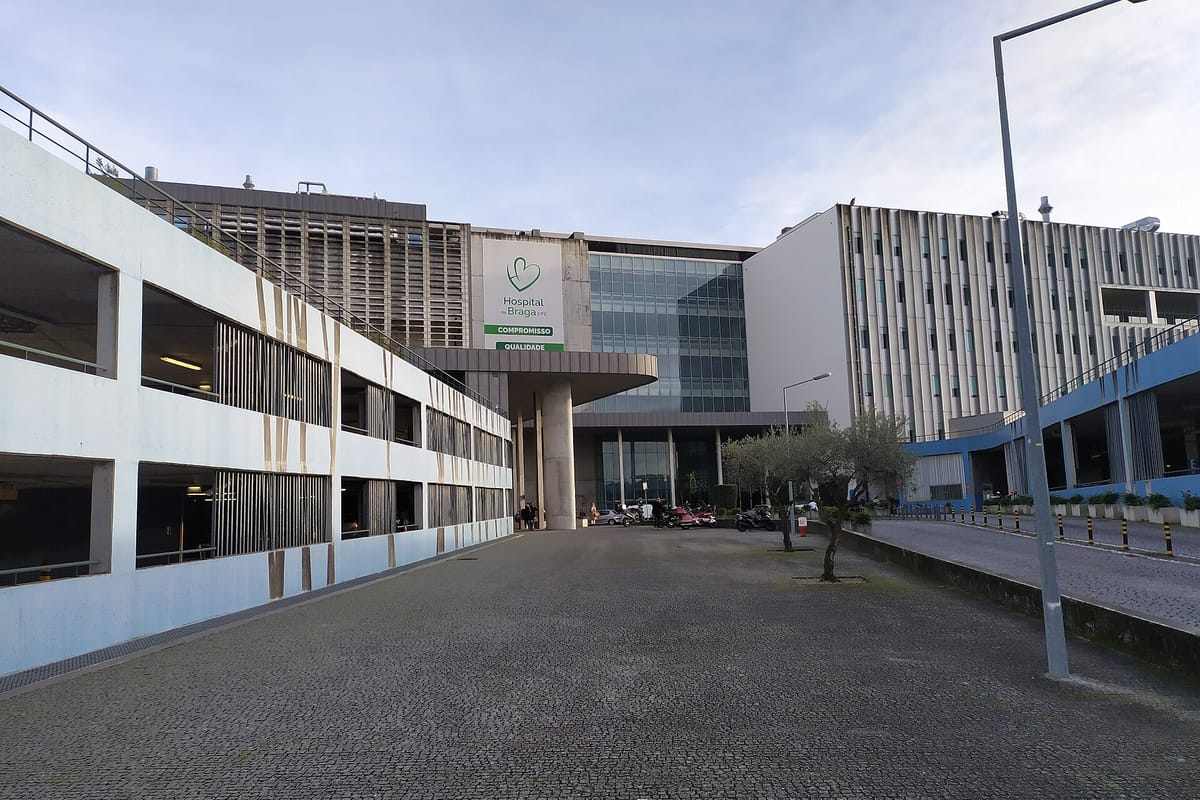
- ULS Braga (North): 18,821 planned operations, down 30 percent from 26,760;
- ULS Castelo Branco (Centre): down 27 percent;
- ULS Santa Maria in Lisbon: down 25 percent;
- ULS Trás-os-Montes e Alto Douro (North): down 20 percent;
- ULS Alto Alentejo (Alentejo): down 11 percent.
By health region, Lisbon and the Tagus Valley fell most (down 10 percent), followed by the Alentejo (down 6 percent) and the North (down 4 percent). The Centre was roughly level, and the Algarve rose 9.5 percent. Fourteen units increased their activity, among them ULS Barcelos/Esposende (up 26 percent), ULS Guarda (up 21 percent), ULS Coimbra (up 6 percent) and Hospital de Cascais (up 10 percent). The data do not explain the changes hospital by hospital.
A longer queue
The surgical waiting list data show 288,004 people registered for an operation at the end of August, up from 273,042 a year earlier. Of these, 92,404 (32 percent) had already waited longer than their guaranteed maximum time, against 30 percent in August 2025.
Health Minister Ana Paula Martins said last month that surgery lists will keep growing, as the new national system for appointments and surgery lists was pushed back to January. Hospitals are also short of beds: about 3,000 are occupied by patients already discharged.
What it means for you
If you are waiting for surgery in the SNS, the maximum guaranteed waiting times (TMRG) have been those of Portaria n.º 137/2026/1 (in Portuguese) since 2 April. For planned surgery the limit is 180 days from the date you were registered for the operation, or 30 days if your case is classed as a priority. For cancer surgery the limits are 60 days, or 30 days for priority cases; for heart procedures, 90 days, or 30 days for priority cases.
The patients' charter annexed to Portaria n.º 153/2017, the ordinance it amends, gives you the right to:
- be told your position on the waiting list at any time;
- be told by the hospital if it cannot operate within your maximum time, and be offered an alternative of comparable quality, by referral to another SNS hospital or to a private or social-sector provider contracted by the SNS;
- complain to the Health Regulator (Entidade Reguladora da Saúde) if the maximum time is not met.