Two Forest Sapper Teams Tend 200 Hectares a Year in a Council That Holds 21,300 Hectares of Forest
Figueira da Foz is one of only twelve councils in Portugal running two municipal forest sapper teams; fifty others run one. The state puts in about 65,000 euros per team against a real cost near 150,000, and the career parliament recommended in 2023 has not arrived.
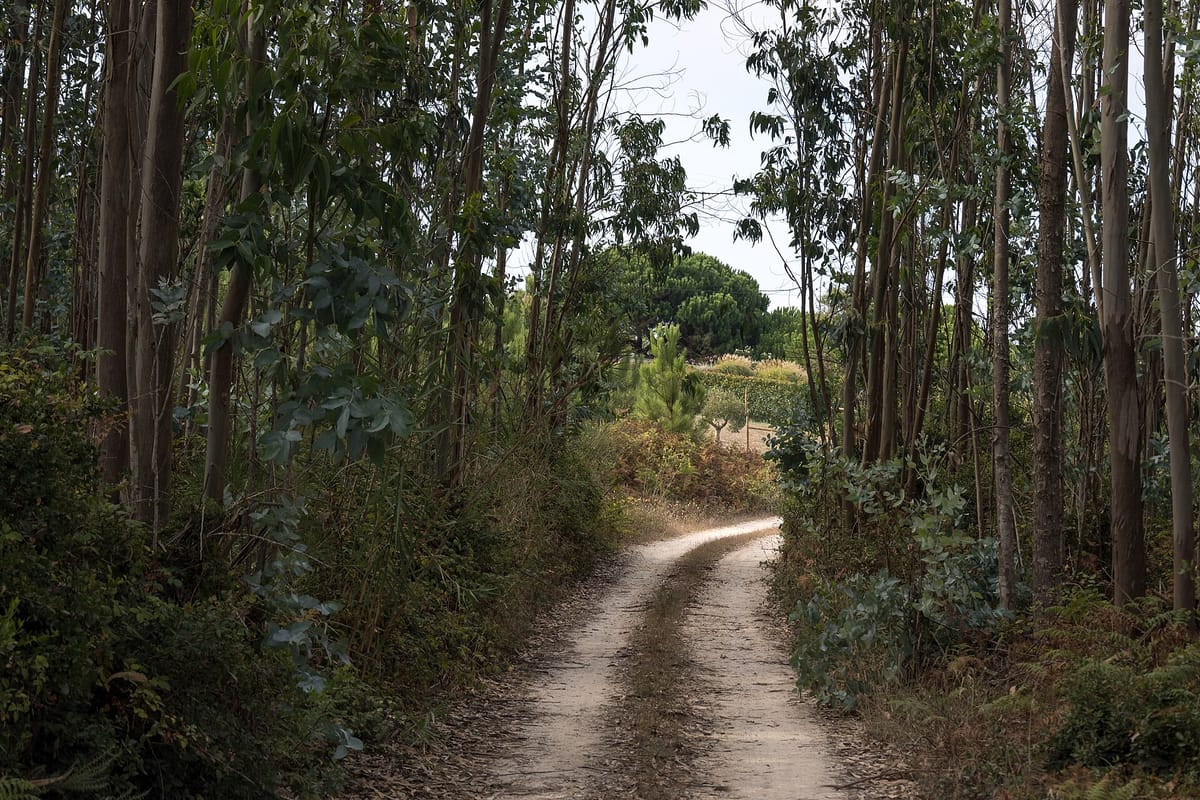
Figueira da Foz is 56 percent forest. More than 21,300 hectares of the council's territory is woodland, and the two teams of sapadores florestais (forest sappers) responsible for managing it get through about 100 hectares each per year. Two hundred hectares a year, against 21,300.
That arithmetic is not peculiar to one council. It is the design of the system. A news agency report published on Sunday followed the Figueira da Foz teams through a hot September day near the Mosteiro de Seiça, clearing a parcel of eucalyptus and rehabilitating a watercourse choked with giant cane, an invasive species that burns readily.
Sixty-two councils, seventy-four teams
According to Instituto da Conservação da Natureza e das Florestas (Institute for the Conservation of Nature and Forests, or ICNF) figures dated 15 July 2025, Figueira da Foz is one of just 12 councils in the country that run two municipally managed forest sapper teams. The other 50 councils with the service run a single team. Under article 5(1) of Decreto-Lei n.º 8/2017 of 9 January, a team is five forest sappers, one of whom leads it.
Their brief is wider than undergrowth. Alongside work on primary and secondary fuel management strips, the teams clear and widen forest tracks, destroy around 600 Asian hornet nests a year, and pull water hyacinth out of watercourses. This year they have opened roughly 70 kilometres of track in eight months, much of it on the Serra da Boa Viagem, after Storm Kristin and the storms that followed brought trees down across access routes.
The kit is a mix of state and municipal. The ICNF places two all-terrain vans on loan, each with a water tank and sapper equipment, and defines which areas are to be worked. The municipal civil protection service supplies the heavy machinery, including a tracked bobcat that, in the words of one sapper who works on foot, "does almost 80 percent of the work".
Sixty-five thousand euros of a hundred and fifty thousand
The financial shape of the arrangement is where the strain shows. João Matias, second commander of the Figueira da Foz fire brigade and a member of the municipal civil protection service that holds operational control of the two teams, put the state contribution at about 65,000 euros per team. Each team costs about 150,000 euros a year to run. The council absorbs the difference.
What the state buys with its share is six months of public-service interventions, contracted between the municipality and the ICNF, to be done in the first half of the calendar year so that they are finished before the critical rural fire period opens. Storm damage this year forced the teams to spend that window clearing access routes instead.
The government has been raising the figure. Maximum annual support was lifted from 55,000 to 61,600 euros with retroactive effect to 1 January 2024, and a later decree took the ceiling to 72,800 euros for intermunicipal entities whose brigades do only public service, with 6,600 euros more available to producer organisations and commonland boards. From 2026 the amounts track the retribuição mínima mensal garantida (statutory minimum wage).
The career that keeps being promised
Money aside, what the sappers ask for is a professional career structure. Sandro Nogueira, 42, leads one of the two teams and has 26 years in the sector, having started at 16. "We are committed, we achieve the objectives," he told the agency, arguing that a career would value the work "and would give us another kind of encouragement". A colleague with eight years in the job said he does it because he likes it, while still waiting for "the career that has already been promised".
In 2023, parliament approved a resolution recommending that the government secure the valorisation and dignification of forest sappers by fixing rules on their remuneration status and career progression. Three years on, the teams remain outside a dedicated career.
What this means for residents of Portugal
- Sappers are not a substitute for your own clearing duty. If you own land here, the legal obligation to manage fuel around buildings and boundaries is yours. Teams work the strips and tracks the ICNF designates, not private plots on request.
- Coverage is thinner than it looks on a map. Fifty of the sixty-two councils with this service run one team of five people. Assume the nearest crew is stretched, and plan your property's fire defences accordingly.
- Cleared tracks attract fly-tipping. Widening forest tracks near villages turns the verges into dumping grounds for mattresses, furniture and construction waste. Report it rather than adding to it.
- Most of this work happens before June. The contracted public-service window is the first half of the year, so that is when to watch what your council does about fuel management.
Portugal argues every summer about prevention. The prevention it has bought is 62 councils, most of them fielding five people and a van, working to a calendar the weather no longer respects.