The Largest Emergency Oil Release in History: What 400 Million Barrels Means for Portugal
The International Energy Agency this week coordinated the largest release of emergency oil stockpiles ever attempted, with more than 30 nations agreeing to flood global markets with 400 million barrels of crude. The move is a direct response to the...
The International Energy Agency this week coordinated the largest release of emergency oil stockpiles ever attempted, with more than 30 nations agreeing to flood global markets with 400 million barrels of crude. The move is a direct response to the supply crisis triggered by the closure of the Strait of Hormuz following the US-Israeli military strikes on Iran that began on 28 February.
For Portugal, a country that imports roughly two-thirds of its energy and has no meaningful domestic oil production, the IEA action represents both a lifeline and a reminder of deep structural vulnerability.
The Scale of the Response
The United States is leading the effort with a commitment to release 172 million barrels from its Strategic Petroleum Reserve. European nations, Japan, South Korea, and Australia are contributing the remainder, in what amounts to a coordinated attempt to prevent oil prices from spiralling beyond the reach of ordinary consumers and businesses. For broader context, see Galp's Berbigão / Sururu unitization approval and pre-sal portfolio read.
Brent crude settled on Friday at 102.90 dollars per barrel, a 42 percent increase since the outset of the Iran conflict. Analysts at Rapidan Energy Group have suggested the IEA may need to increase the rate of release to as much as 2 million barrels per day if the Strait remains effectively closed. Others are less optimistic. "It buys time, but it does not solve the crisis," noted analysts at Bernstein, pointing out that strategic reserves are finite and the disruption to Gulf shipping routes shows no signs of resolution.
Portugal's Exposure
Portugal's energy import dependency is among the highest in Western Europe. The country sources its crude predominantly from Nigeria, the United States, Brazil, and Angola, meaning its supply chains do not directly transit the Strait of Hormuz. However, global oil markets are interconnected. When 20 percent of the world's seaborne oil trade is disrupted, prices rise everywhere, regardless of the specific routes a country's tankers follow.
The more immediate concern may be natural gas. The IEA's stockpile release addresses crude oil but does nothing to compensate for the 20 percent of global liquefied natural gas exports that have been cut off by the Strait's effective closure. LNG prices have already begun to climb, and Portugal, which relies on imported natural gas for electricity generation and industrial use, is particularly exposed to this secondary shock.
The government took a pre-emptive step last week by reducing the tax on diesel, a measure designed to cushion the impact on transport costs and, by extension, on the prices of goods that move by road. But fiscal measures of this kind are expensive and difficult to sustain if the crisis extends beyond weeks into months.
The Fragile Energy Cushion
February's inflation data showed energy prices in Portugal still falling 2.2 percent year-on-year, a reflection of supply contracts negotiated before the current crisis. That cushion is temporary. As contracts roll over and wholesale prices feed through to retail tariffs, Portuguese consumers and businesses will begin to feel the full impact of the global supply shock.
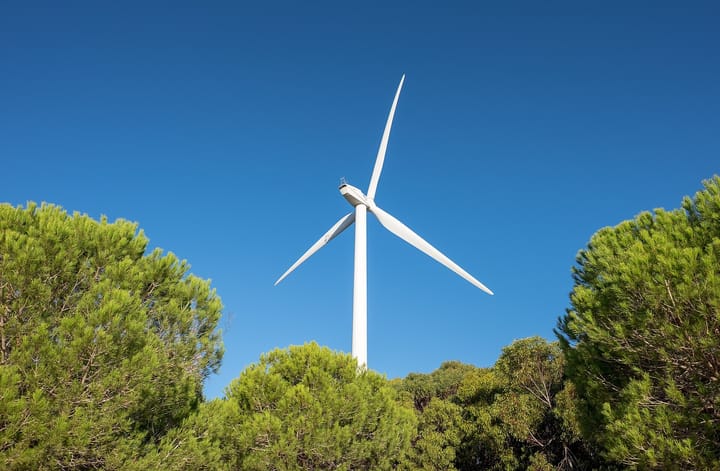
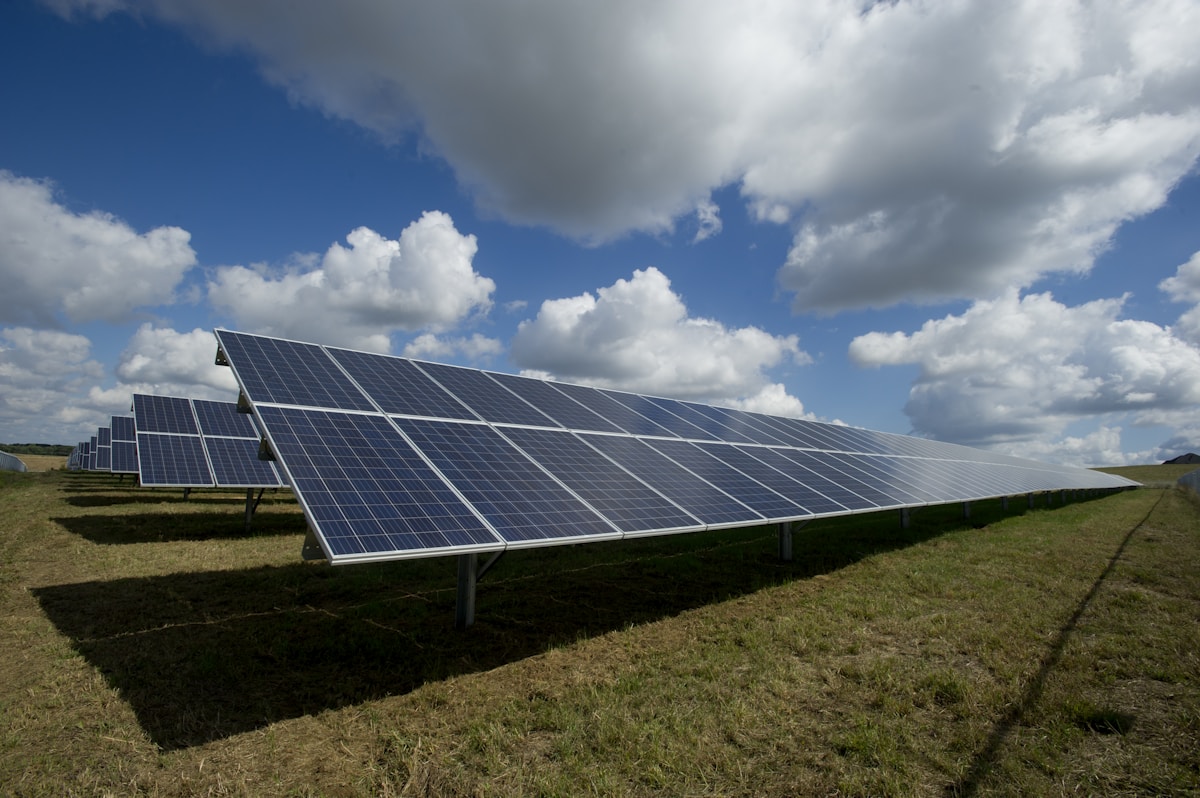
Portugal has made significant investments in renewable energy over the past decade. Wind and solar capacity has expanded substantially, and on favourable days, renewables can supply the majority of the country's electricity demand. But the transition is incomplete. Fossil fuels still account for a significant share of the energy mix, and critical sectors — transport, industry, heating — remain heavily dependent on imported oil and gas.
What Comes Next
The IEA release is designed to bridge a gap, not to resolve the underlying crisis. If the Strait of Hormuz remains closed or restricted for weeks rather than days, strategic reserves will draw down, prices will resume their climb, and governments will face increasingly difficult choices about subsidies, rationing, and economic support.
For Portugal, the lesson is one that energy policy experts have been repeating for years: import dependency is a strategic liability. The current crisis may accelerate investment in renewables, energy storage, and grid modernisation. But those are medium-term solutions. In the short term, Portuguese households and businesses are exposed, and the 400-million-barrel cushion, historic as it is, offers only temporary relief.