The ICNF Has 30 Days to Rework the Berlenga Island Pass and Account for Four Years of Visitor Fees, as the Minister Earmarks Part of Them for Nature
A ministerial order gives the ICNF 30 days to plan a simpler BerlengasPass and to report four years of takings, with part of the 3 euro fee going to the reserve. It also orders year-round power and a boat for the island's wardens. How the pass works now.
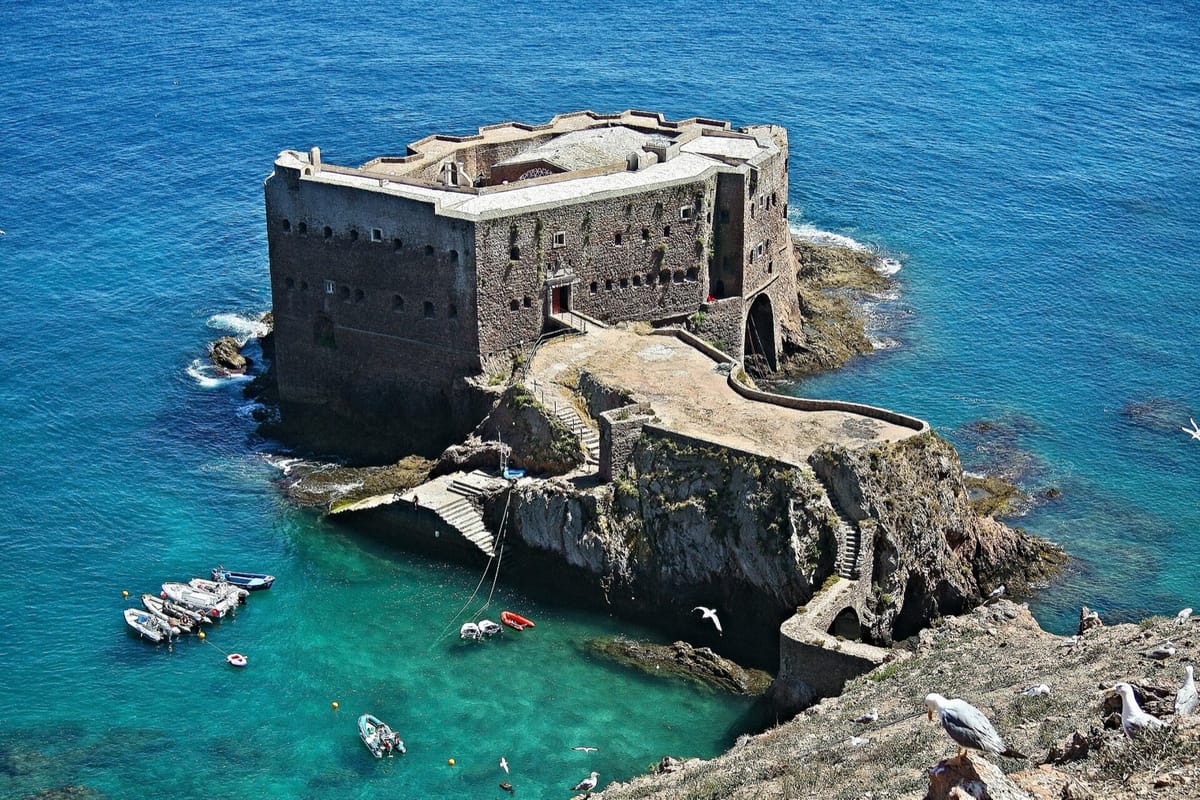
The Environment and Energy Minister, Maria da Graça Carvalho, has given the Instituto da Conservação da Natureza e das Florestas (ICNF, the nature and forests institute) 30 days to produce a plan to overhaul the BerlengasPass, the paid pass every visitor needs to set foot on Berlenga, the main island of the reserve off Peniche. The ICNF must also account for what the pass has raised over the last four years and say how that money was used.
The measures are in a despacho (ministerial order) that the government says is already published in the Diário da República. It announced them in a communiqué on 5 November (in Portuguese). The order also tells the ICNF to fix the working conditions of the nature wardens who live and work on the island, and to make sure that part of what visitors pay goes directly into conserving and restoring the reserve.
What the order asks of the ICNF
- Within 15 days: a progress report and a timetable for the practical improvements on the island.
- Within 30 days: an action plan to revise the BerlengasPass and to put part of its revenue into conservation.
- A revenue report: how much the pass has raised over the last four years, and what the money was spent on.
For the wardens and technical teams, the ICNF must provide electricity all year round, a boat for regular and safe transport of staff, supplies and equipment, and a vehicle suited to getting around the island. It must also improve their accommodation, safety and communications.
The pass itself should become "simpler, more efficient and more transparent", the government says, with tighter collection and control of the revenue and closer monitoring of visitor numbers against the reserve's capacity limits. A mechanism will set aside part of the takings for named priority works, with a timetable and follow-up of the spending. The restoration work is to fit the Plano Nacional de Restauro da Natureza (national nature restoration plan), part of Portugal's national and European commitment to recover degraded ecosystems.
"We want nature restoration to stop being only a goal and become a reality you can see on the ground," the minister said.
How the pass works today
Nothing changes for visitors until the revision is drawn up. According to the ICNF's own questions and answers (in Portuguese) and Portaria n.º 19/2022, which sets the fee:
- Who needs it: everyone who lands on Berlenga, since 1 June 2022. Being on the island without a valid pass is an administrative offence that can bring a fine.
- Price: 3 euros per person per day. Visitors aged over 6 and under 18, and those aged 65 or over, pay half. Children up to 6 pay nothing but still need a pass.
- Residents of Peniche are exempt. They get resident status by emailing [email protected] with their name, address and proof of address, and then issue themselves a free pass.
- Booking: through the BerlengasPass platform. One registered account can issue up to six passes.
- Cancelling: possible up to 48 hours ahead, but the fee is not refunded. You get your money back only if the ICNF cancels access because of bad weather or another reason of force majeure, in line with the Maritime Authority.
- Capacity: no more than 550 people may be on the island at the same time, under Portaria n.º 355/2019.
The 2022 portaria already says the fee revenue should go "preferably" to the enhancement measures set out in the rules on access to the island, Portaria n.º 30/2021.
Where the money was meant to go
The order lands six months after a different arrangement for the same revenue. On 28 May, the ICNF and Peniche City Council signed a protocol under which the council would receive all the money raised by the pass, including about 700,000 euros collected over the previous four years, the council said at the time. The council said it would spend it on priority works on the island, such as the water supply, access paths and toilets, with 10 percent going to nature conservation and restoration.
The government's communiqué does not mention that protocol, and it does not say how much of the revenue will now be set aside for conservation. Those answers should come with the ICNF's 30-day plan. It is not the institute's only 30-day deadline this autumn: in October it was given 30 days to set a timetable for help against wolf attacks. The ICNF is also part of a planned redesign of Portugal's environment agencies.