The Habilitação de Herdeiros (Declaration of Heirs) in Portugal in 2026 — A Practical Guide to the Cartório and Balcão das Heranças, the Documents, the Imposto do Selo Deadline, and Unlocking a Deceased's Accounts and Property
When someone dies in Portugal, nothing moves — bank accounts, property, vehicles — until the heirs are legally named in a habilitação de herdeiros. A practical 2026 guide to where to do it, the documents, the costs, the three-month Imposto do Selo deadline, and who is exempt.
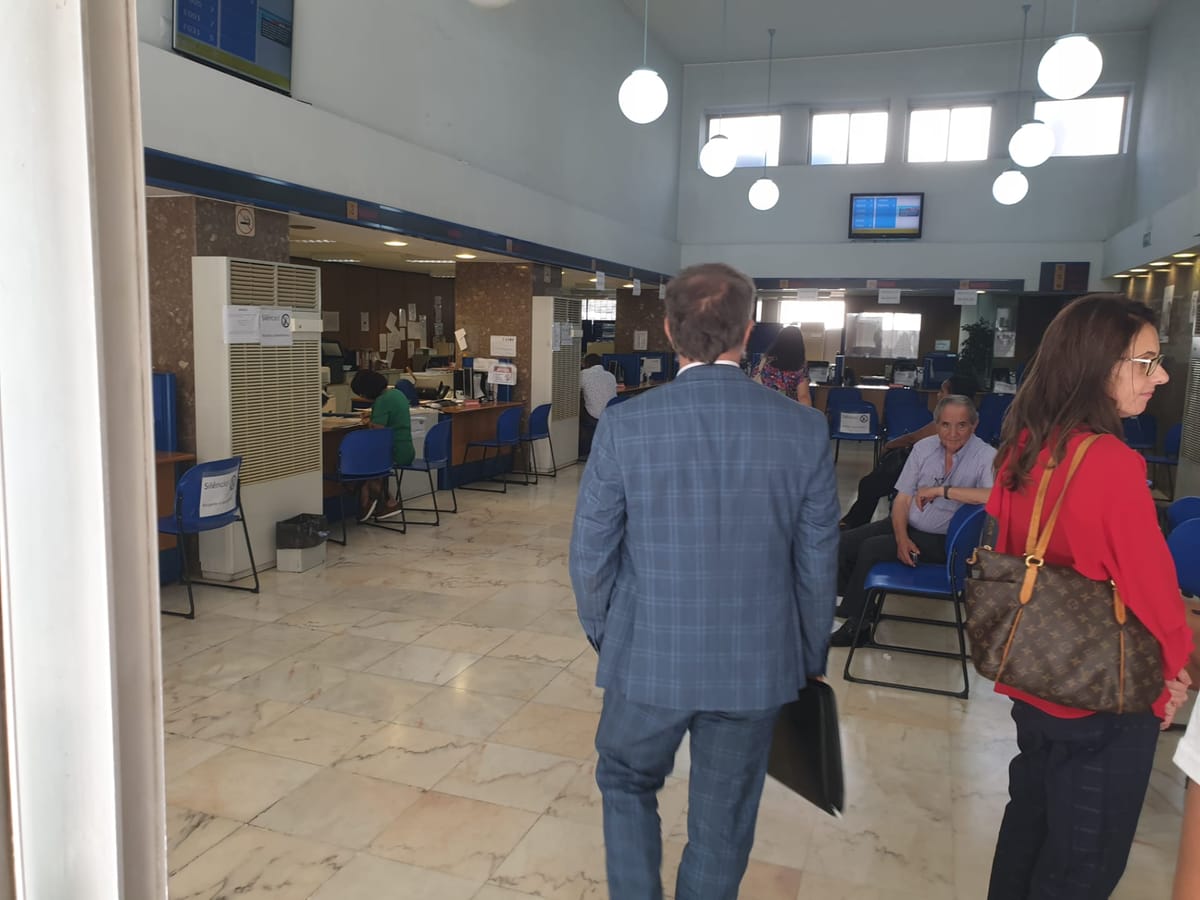
When someone dies in Portugal, the family quickly runs into a wall: the bank freezes the accounts, the house cannot be sold or even formally inherited, the car cannot change hands, and a pension cannot be redirected. None of that unlocks until the heirs have been legally identified in a single document — the habilitação de herdeiros, or declaration of heirs. It is the pivot on which the whole process of settling an estate turns, and for foreign residents unfamiliar with the Portuguese system it is often the first step nobody warned them about.
This guide explains what the declaration of heirs is, when you need it, where to do it in 2026, the documents and costs involved, and how it connects to the tax paperwork and to actually transferring the assets. It is general information, not legal advice; estates with cross-border elements or disputes are worth putting in front of a lawyer or notary.
What the habilitação de herdeiros actually is
The declaration of heirs is a formal legal act — usually a notarial deed — in which a person with direct knowledge of the family, plus witnesses, declares who has died, whether they left a will, and who the legal heirs are. The result is an official certificate naming the heirs and their relationship to the deceased. Banks, the land registry, the tax authority and the vehicle registry all accept that certificate as proof of who is now entitled to the estate.
It does not, by itself, divide anything up. Identifying the heirs (habilitação) and sharing out the assets between them (partilha) are two separate steps. Many families complete the first and delay the second, leaving the estate held jointly — a common situation, though one Portugal has recently moved to unclog by letting a single heir force the sale of an undivided estate after years of deadlock.
When you need one
You will be asked for the declaration of heirs whenever an institution needs to know who legally stands in the deceased's shoes. In practice that means:
- Bank accounts. Accounts in the sole name of the deceased are frozen on notification of death; the bank releases the balance to the identified heirs only against the certificate.
- Property. You cannot register inherited property in the heirs' names at the Registo Predial (land registry) without it, and therefore cannot sell or mortgage the home.
- Vehicles. Transferring a car's ownership requires proof of who inherited it.
- Pensions, shares and other assets held in the deceased's name follow the same logic.
Who the heirs are
Portuguese law decides who inherits, and it protects close family through the legítima — a reserved share that a will cannot override. If there is a will (testamento), it governs the freely disposable portion; if there is none, the estate passes by the legal order of succession, starting with the spouse and children. Establishing whether a will exists is part of the process: the notary or registry checks the central wills register (Registo Central de Testamentos). For the underlying rules on reserved shares, how a foreigner can choose their national law under the EU's Brussels IV regulation, and drafting a Portuguese will, see our separate guide to inheritance and wills in Portugal.
Where to do it in 2026
There are several routes, and you can pick by convenience:
- A notary's office (Cartório Notarial). The traditional route: the notary draws up the escritura de habilitação de herdeiros. Our guide to notaries in Portugal explains how the cartório works.
- The Balcão das Heranças (Inheritance Desk). A one-stop service run through the registries that can do the declaration of heirs and, in the same act, register the inherited property and even carry out the partilha — useful when you want to settle everything at once.
- An Espaço Óbito or Balcão do Cidadão counter, for the declaration on its own.
Appointments are booked through the state's online scheduling portal (SIGA), and the government's own service pages — "Fazer a habilitação de herdeiros" and a combined version "com registo e partilha dos bens" — set out each track. All the required parties, or their representatives holding a power of attorney, must attend.
The documents you will need
- The death certificate (certidão de óbito) — issued after the death is registered, a step covered in our guide to funerals and death registration.
- Identification and tax numbers (NIF) of the deceased and of every heir.
- Civil-status certificates — birth and marriage certificates — proving the relationships between the deceased and the heirs.
- The will, if there is one, or the registry's confirmation from the central wills register that none exists.
Documents issued abroad generally need an apostille and a certified Portuguese translation before a Portuguese notary or registry will accept them, so foreign heirs should start gathering these early.
The tax step: the Imposto do Selo participação
Settling an estate has a tax filing attached, and the deadline is tight. The head of the estate (the cabeça-de-casal, usually the surviving spouse or the main heir) must submit a declaration of the death and its assets — the participação do óbito, filed on Modelo 1 do Imposto do Selo — to the tax authority by the end of the third month following the month of death. Miss it and you risk a fine (coima).
The tax itself is often less painful than people fear. Inheritances are subject to Imposto do Selo (stamp duty) at a flat 10 percent on the value of the assets transmitted — but the closest family is fully exempt. Spouses, partners in a recognised união de facto, descendants (children and grandchildren) and ascendants (parents and grandparents) pay nothing. In most family estates, in other words, the transfer is tax-free; the 10 percent bites mainly when assets pass to siblings, nephews, friends or unrelated beneficiaries. Note that exempt heirs must still file the participação — the exemption removes the tax, not the paperwork.
Cost, and then the partilha
Fees vary by route. A notarial deed typically runs to a couple of hundred euros; the registry's one-stop packages are priced by fixed schedule, higher when they bundle in the property registration and the division. Budget for the certificates you have to order as well.
With the heirs established, the estate can be divided. If everyone agrees, the partilha can be a simple deed; if one heir keeps the house and compensates the others in cash (tornas), that buy-out can trigger property-transfer tax (IMT) on the portion effectively "bought". Where heirs cannot agree, the division goes through an inventory proceeding. Only after the partilha and the corresponding registrations is each heir the sole, clean owner of their share.
A note for non-resident and foreign heirs
An heir who lives outside Portugal will still need a Portuguese NIF to appear in the paperwork, and, depending on residence, may need a fiscal representative to receive correspondence from the tax authority. Heirs who cannot travel commonly grant a power of attorney to a relative or lawyer in Portugal to sign on their behalf. The mechanics are routine, but they take time — which is the single most useful thing to know about the declaration of heirs. Start early, order the certificates in parallel, and keep the three-month tax deadline in view, and what feels like a wall becomes a sequence of manageable steps.