The Government Bets on In-House Digital Twins and the Sovereign ‘Amália’ AI to Modernise the State, Backed by an €80 Million Training Plan
Portugal is building digital twins of public systems in-house and readying its sovereign Portuguese-language AI model, Amália, for July, backed by an €80 million plan to train civil servants — part of a drive to modernise the state without depending on foreign tech.
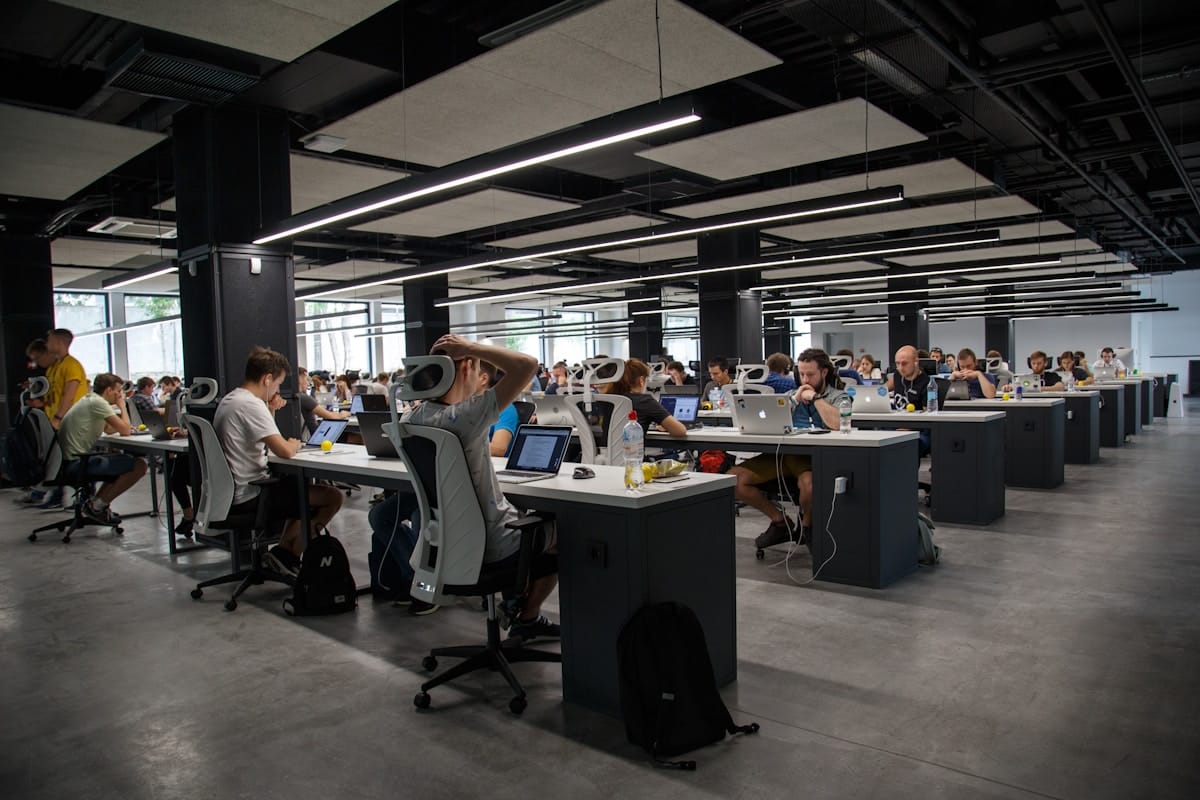
The government is developing "digital twins" of public systems — live virtual replicas fed by sensor data — and preparing to roll out its own Portuguese-language artificial-intelligence model, as part of a push to modernise the state without leaning on foreign technology providers.
The plans were set out by Gonçalo Matias, Minister for State Reform (Reforma do Estado), at a meeting in Lisbon of the network coordinating state simplification and technology. The digital twins are being built by ARTE (Agência para a Reforma Tecnológica do Estado, the State Technological Reform Agency, the renamed former AMA) and would use real-time data to forecast problems, test fixes before they are deployed and improve services such as urban mobility and emergency response.
- Digital twins: virtual models of physical systems, built in-house by ARTE rather than outsourced to foreign firms.
- Amália: Portugal’s sovereign large language model for European Portuguese, described as "ready" and due to be presented in July, with early testing in culture and education.
- Training: an €80 million plan (a first €25 million tranche) to build AI skills across the public administration.
- Savings target: some €300 million expected from standardised procurement contracts with major technology suppliers.
Matias framed Amália as "a sovereign model" suited to sensitive use cases — in healthcare, the armed forces and other areas where the state wants to keep control of its own data. The pitch matters because most off-the-shelf AI tools run on infrastructure owned abroad; a homegrown model lets Portugal keep citizens’ data inside national control while recognising the language’s own variants and cultural references.
The announcement is the latest move in a multi-year effort to drag Portugal’s famously paperwork-heavy bureaucracy into the digital age. AMA was rebranded as ARTE in 2025 precisely to lead this transformation, and Amália — first unveiled at the Web Summit — has become its flagship. Digitalisation is also a cross-cutting priority in the EU funding now flowing into Portugal, including the latest EEA Grants cycle.
What This Means for Residents
- Public services: if it works, expect faster, smarter digital interactions with the state — the portals and apps most residents already use for tax, health and social security.
- Your data: a sovereign model is pitched as keeping sensitive information under Portuguese control rather than on foreign servers.
- The catch: Portugal’s record on big IT projects is uneven, and "ready" models have a habit of taking longer to reach the front desk than the press release suggests.
- Day to day: none of this removes the need to understand how the existing systems work — from your tax-residency status to everyday admin.
For now the headline is ambition: an in-house twin of the state and a sovereign AI to run on top of it. Whether residents feel the difference will depend on execution over the coming year — starting with whether Amália actually arrives, as promised, in July.