The Finance Ministry Strips Policy Reforms From the 2027 Budget to Ease It Through a Divided Parliament
The Finance Ministry is drafting the 2027 State Budget without 'budget riders,' keeping labour-law changes and further IRS cuts out of the bill to ease it past a parliament the coalition doesn't control. It must reach the Assembly of the Republic by 12 October.
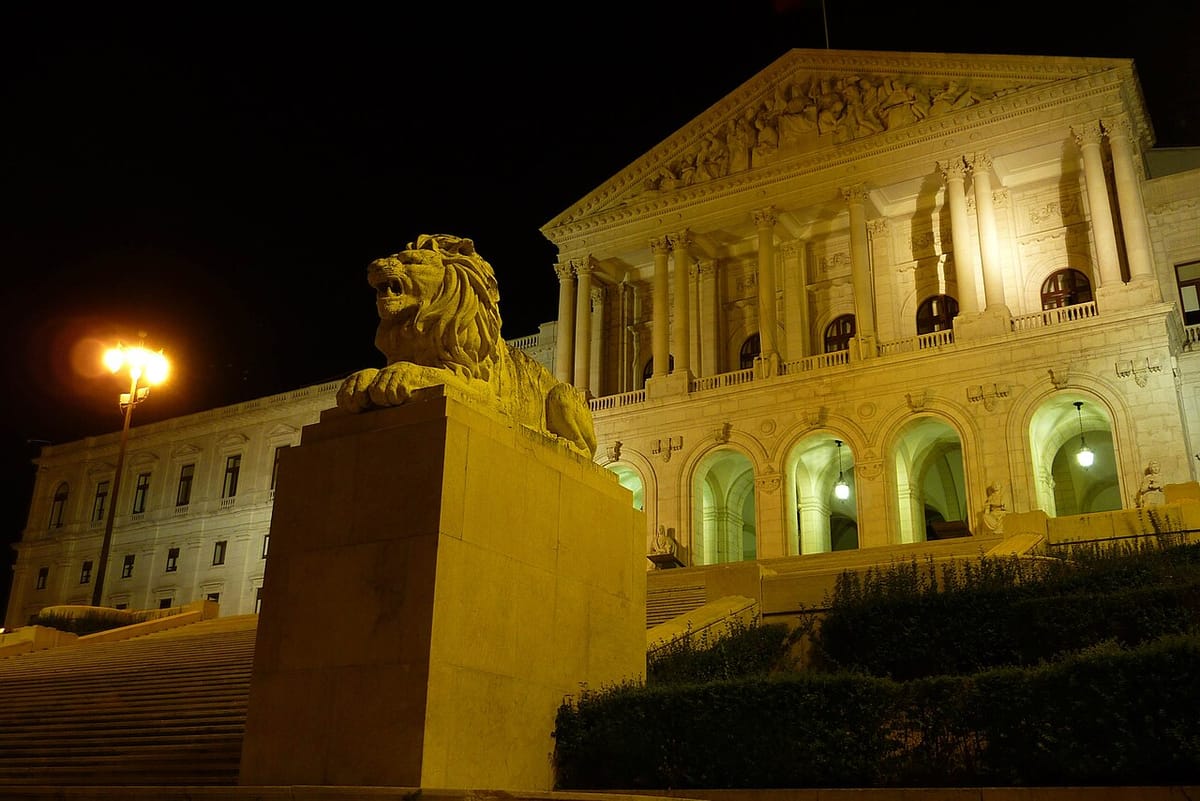
Portugal's government is drafting its 2027 State Budget with a deliberate strategy: keep it strictly about money. The Ministério das Finanças (Ministry of Finance) began work on the Orçamento do Estado para 2027 (2027 State Budget) back in February and intends, once again, to strip out the policy reforms that traditionally ride along with the annual budget bill — a calculated bid to smooth its passage through a parliament the ruling coalition does not control.
Budgets without the baggage
In Portuguese political jargon, the measures being removed are known as "cavaleiros orçamentais" — budget riders, structural legal changes that have little to do with public accounts but get bundled into the budget to force them through. Finance Minister Joaquim Miranda Sarmento has argued that the budget should concentrate on financial matters and execution, with reforms presented separately so they can face fuller parliamentary scrutiny.
In practice, that means contentious items such as changes to the Código do Trabalho (Labour Code) and any further personal income-tax cuts will not appear in the OE2027 document itself. The government has committed to two billion euros in cumulative IRS reductions over the legislature, but whether a fresh cut lands in 2027 depends on the fiscal room available.
Governing without a majority
The strategy is rooted in arithmetic. The 2026 budget passed only because the Partido Socialista (Socialist Party) abstained, allowing the PSD–CDS coalition to get it over the line. By stripping out divisive policy measures, the government reduces the number of flashpoints that could tempt the opposition to vote the budget down, lowering the price of another abstention.
The proposal must reach the Assembleia da República (Assembly of the Republic) by 12 October — the law sets 10 October, but that falls on a Saturday this year. That leaves the coalition roughly ten weeks to finalise the numbers and line up the votes.
A statistical complication
One technical wrinkle looms over the drafting. A revision to Portugal's population figures has left the statistical series that underpin budget calculations out of date, which could affect projections for health, pensions and education spending. Officials are pressing ahead without waiting for the revised gross domestic product data to settle.
For residents, the significance is less in the process than in what it signals. A budget shorn of policy surprises is easier to pass but also defers the bigger arguments — over labour law, over tax — to separate battles later in the year. The headline questions of how much workers keep from their pay and how the rules of employment might change are being pushed beyond the budget, not resolved within it.