The Azores Offer Their Airport Ground-Handling Arm for Sale, Ringing It With Job and Headquarters Guarantees
The Azores regional government has opened the sale of SATA Handling, the ground-services arm of the islands' airline group. Bidders need five years' experience and must keep the headquarters in the Azores and freeze job cuts for 30 months — a privatisation entirely separate from the TAP sale on the
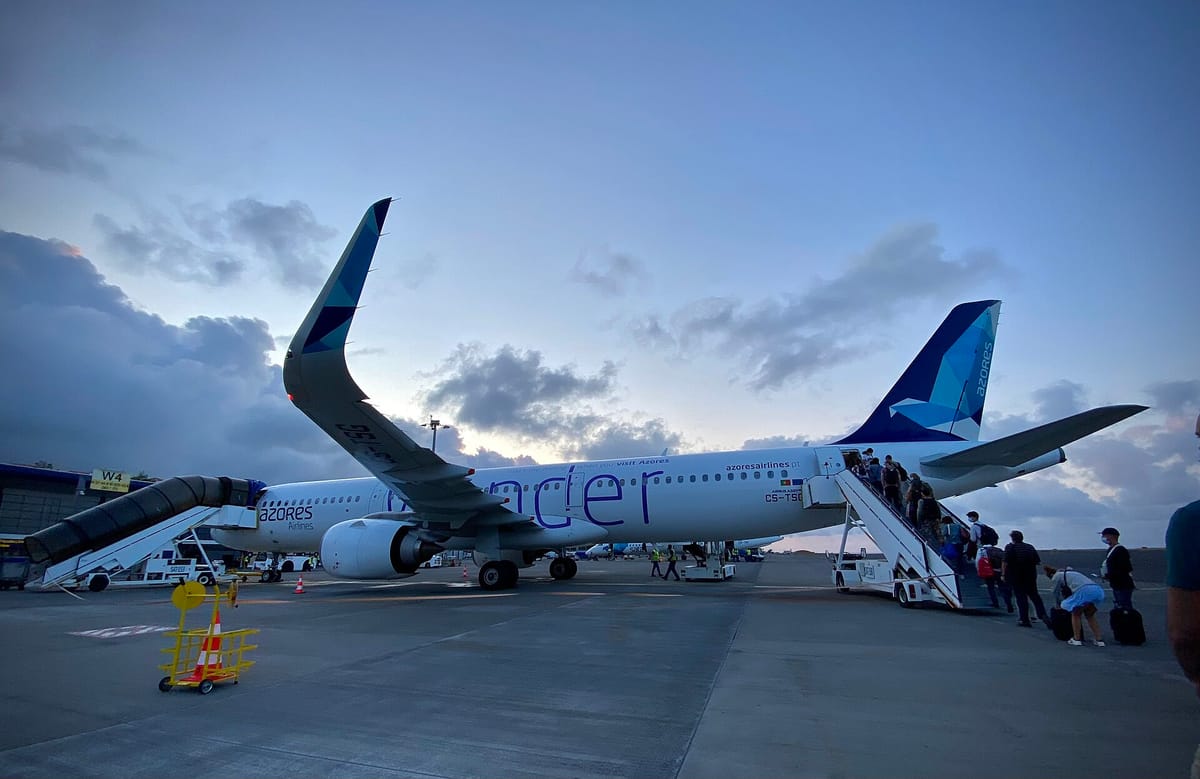
The Azores have formally put a piece of their airline group on the block. The regional government has approved the tender documents for the sale of SATA Handling, the ground-services company that loads bags, guides aircraft and staffs check-in desks across the archipelago's airports — and the fine print makes clear that whoever buys it will not have a free hand.
SATA Handling is the ground-assistance (handling) arm of the SATA group, the Azores-based airline operation better known abroad through its Azores Airlines brand. Selling it is part of the wider restructuring the group has been forced into as it works its way back to financial health, and it is a separate process entirely from the far larger, and far more politically charged, privatisation of the national carrier TAP now under way on the mainland.
Experience required
The caderno de encargos (the tender specification) sets a high bar for bidders. Any candidate must show at least five years' experience in ground handling or an adjacent field such as transport, logistics or infrastructure; submit seven-year financial projections built around different air-traffic scenarios; and present a long-term strategic plan alongside proof of the financial muscle to sustain it. The sale will run in two stages — non-binding offers first, then binding ones — with the regional government reserving the right to open a third, negotiated phase if it wants to squeeze the terms further.
Strings to protect the islands
What stands out is how much the seller is trying to lock in after the deal closes. The winning bidder will be barred from making collective dismissals or cutting posts for 30 months, and must honour the existing collective-bargaining agreements for at least 36 months. The company's headquarters must stay in the Azores for a minimum of 30 months. And the buyer cannot simply flip the asset: an initial payment of up to 5 percent of the final price is required, share sales are restricted for five years, and SATA Holding keeps a right of first refusal should the new owner try to sell after that window.
Those conditions speak to the peculiar economics of aviation in an island region, where ground handling is not just a business but a piece of essential public infrastructure. Reliable turnarounds at Ponta Delgada and the smaller island airfields underpin everything from tourism to the medical and supply flights that connect nine islands to each other and to the continent. To keep SATA afloat while the sale proceeds, the Azores government has also signed off on a 55-million-euro guarantee for the group.
For the region, the calculation is a familiar one across Europe's state-owned carriers: bring in private capital and management to run a unit more efficiently, while writing enough protections into the contract that jobs, wages and a local presence survive the change of ownership. Whether investors find that balance attractive — a strategic ground-handling asset, but one hemmed in by three years of guarantees and a five-year lock-up — will become clearer once the first non-binding offers land. No bidders have yet been named. On where the TAP sale has actually got to, our report on the Council of Ministers declining to pick a winner for TAP, opening a three-week negotiation round with Air France-KLM and Lufthansa and extending the deadline for the whole sale to 31 December 2026 sets the latest reference.