The Azores Halt Pigeon Hunting and Bird Fairs Over a Newcastle Disease Outbreak
The archipelago has banned pigeon hunting and bird fairs after Newcastle disease was found in wild rock pigeons and turtle doves — low risk to people, but highly contagious among birds.
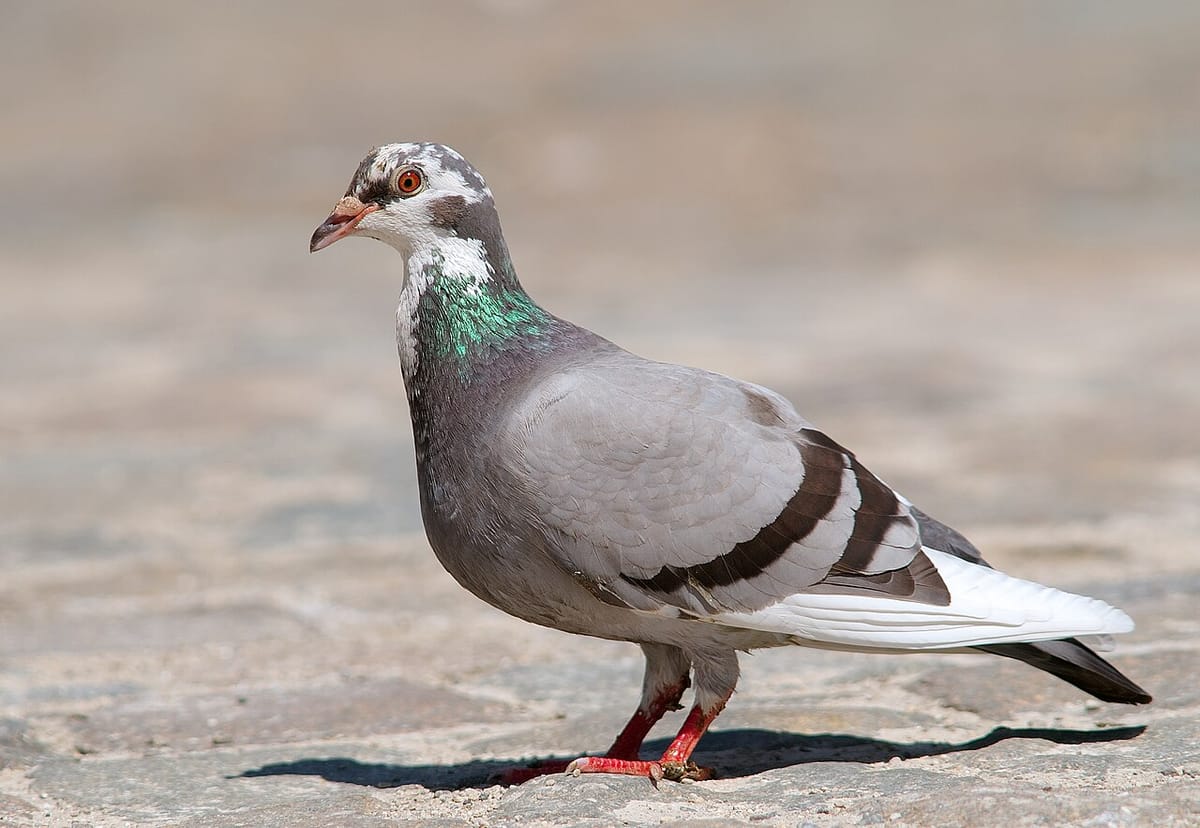
The Azores have moved quickly to contain an animal-health scare, banning pigeon hunting and bird fairs across the archipelago after the detection of Newcastle disease — a highly contagious avian virus that carries "low risk" for humans but demands caution, according to the regional government.
"This week the Newcastle disease virus was detected in wild birds, namely in the turtle dove and the rock pigeon," the regional secretary for agriculture and food, António Ventura, told the Lusa news agency. "Because it was detected in the rock pigeon, and to avoid any transmission and possibility of infection through food — because the pigeon is used in human consumption — we have banned hunting until conditions are met." The prohibition on hunting the rock pigeon, also known as the common pigeon, took effect on Friday and applies indefinitely across every island in the region, as set out in the regional official gazette.
Newcastle disease is a viral infection that spreads rapidly among poultry and affects all avian species. It rarely causes more than mild conjunctivitis in people, but it can be devastating for flocks and for the incomes of those who raise domestic birds. "It is a disease that is very viral for birds and very contagious among birds. It has effects on the income of domestic-bird producers. It presents a low risk for the population, but there is a risk," Ventura warned.
Alongside the hunting ban, the regional government has ordered a package of "surveillance and precautionary measures" aimed at both poultry keepers and the general public. Residents are advised to use "appropriate protective equipment" when handling birds and to report any "abnormal mortality" to the official veterinary services. Guidance also calls for dead birds to be "buried deep" and for people to avoid touching their eyes and nose after handling any bird.
The central plank of the response is keeping domestic and wild birds apart. "We want producers to avoid at all costs direct or indirect contact of domestic birds with wild birds. For that reason, bird fairs and gatherings are banned, and imports from areas where this Newcastle disease is identified are banned," Ventura said. Suspending markets and fairs removes one of the easiest routes for the virus to jump between backyard flocks.
The Azores are not acting in isolation. Ventura noted that the disease is "emerging across Europe," pointing to the situation in neighbouring Spain, and urged the population to stay "vigilant." The regional measures follow a call earlier in the week from Portugal's Directorate-General for Food and Veterinary services (DGAV) for the vaccination of chickens and turkeys after a worsening of the disease on the mainland.
For the archipelago's smallholders and commercial poultry operations alike, the practical message is one of containment and vigilance: keep flocks separated from wild birds, watch for unexplained deaths, and hold off on the hunting and the fairs until the regional authorities judge the threat to have passed. With no end date attached to the ban, how long that takes will depend on how the outbreak develops across the islands and the wider continent. If the licensing side of this is what you need, what Portuguese law asks of anyone who wants to own a firearm here walks through the Lei 5/2006 classes and licence types, the medical certificate and the PSP training exam, the four-weapon ceiling on a licence B and the twenty-five-weapon ceiling on a licence C or D, the EN 14450 safe you must own before a purchase is authorised, the alcohol limit that applies to carrying, and the 90 days you have to declare an inherited weapon.