The Azores' First Budget Without Recovery Money: Investment Falls to 1,057 Million Euros, and Health Gets 270 Million More
The draft plan and budget for 2027 forecast a 112 million euro deficit and slower growth as tourism weakens, while nearly doubling the money spent promoting the islands. The regional assembly votes in November.
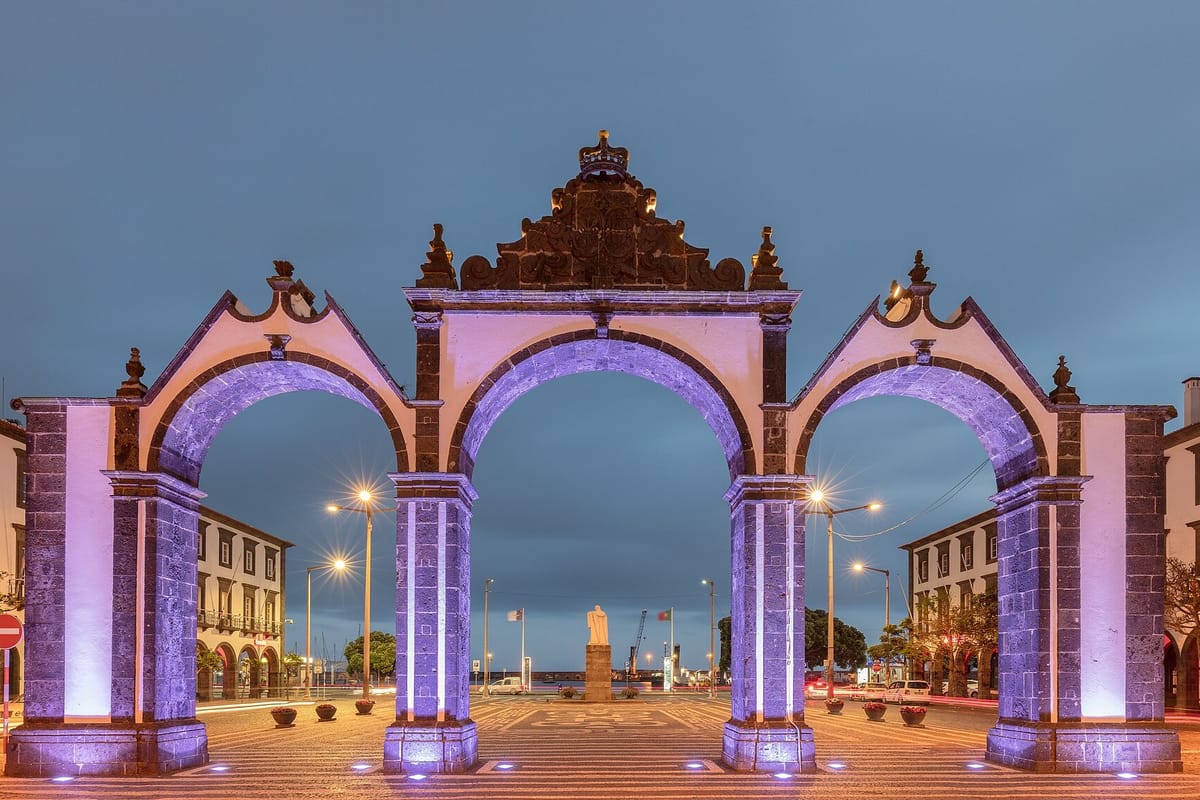
The Azores regional government has set out its first investment plan since 2022 without money from the EU-funded Recovery and Resilience Plan (PRR), and it is smaller as a result. The draft Plan for 2027 provides for total public investment of 1,057 million euros, 134 million less than this year, according to documents seen by the Lusa news agency. Of that total, 650 million is the direct responsibility of the regional government, against 990.9 million in 2026.
"The 2027 Plan is the first, since 2022, in which PRR funding will not be present, which is why its value is naturally lower" than this year's, the PSD, CDS-PP and PPM coalition government explains.
Health gets the largest increase
The draft regional budget names health as the "first priority". Funding for the sector rises by about 270 million euros to a total of 760 million. Only 30 million of that is new regional money; 160 million comes from converting commercial debt into financial debt, and 80 million from an "extraordinary transfer" from the national State Budget.
The debt conversion is meant to cut the time the regional health service takes to pay its suppliers, as was done in 2025. Spending on the Regional Health Service rises from 490 million euros in 2026 to 600 million in 2027, about 31.2 percent of the region's total expenditure, up from 22.8 percent.
The government also commits to launching, in 2027, the public tender for the works on a new Hospital do Divino Espírito Santo in Ponta Delgada, the archipelago's largest hospital, which was badly damaged by fire on 4 May 2024. The plan includes 80 million euros for health investment, with work on health centres in Ribeira Grande, Lajes do Pico, São Roque do Pico, Velas, Nordeste and Povoação.
A slower economy and a deficit
The draft budget forecasts a deficit of 112 million euros in 2027 and net borrowing of about 107 million, a figure the government says could change because the State's compensation for the cost of transport between the nine islands has not yet been settled. Tax revenue is expected to rise by 8.1 percent to 1,046 million euros.
Growth is forecast to slow from an estimated 2 percent in 2025 to 1.8 percent in 2026 and 1.7 percent in 2027. The government links this mainly to tourism, the region's main export, at a time when overnight stays have fallen for 11 months in a row. Unemployment is projected to rise from 4.9 percent in 2025 to 5.2 percent in 2026 and 5.4 percent in 2027, while inflation is forecast to ease to 2.2 percent.
To try to reverse the tourism slide, the budget nearly doubles spending on promoting the Azores as a destination, from 8.9 million euros to about 17.2 million, with a focus on higher-spending markets and on visits outside the peak season. The Azores Chamber of Commerce and Industry asked for more promotion in September, and the islands' airports have counted more than 100,000 fewer arrivals in six months without Ryanair.
What stays the same for residents
The government says it will keep the Tarifa Açores (the capped air fare for residents), the Passe Açores 9 Ilhas, free creche places and the Novos Idosos home-support scheme, and promises "special attention to the cost of living" while global instability lasts. It also plans to start a new public service contract for inter-island flights, move ahead with extending the runway on Pico, and build a new port at Lajes das Flores.
The plan and budget go first to the island councils and the Azores Economic and Social Council for opinions, and then to the Legislative Assembly in Horta, on Faial, for debate and a vote in November.