Six Months Without Ryanair: Azores Airports Count 103,766 Fewer Arrivals, and Lodgings 71,600 Fewer Nights
SREA figures show passenger arrivals down 7.9 percent from April to August and overnight stays down 3.5 percent to July, most of the loss among guests from Portugal. TAP and Azores Airlines now fly the mainland routes alone.
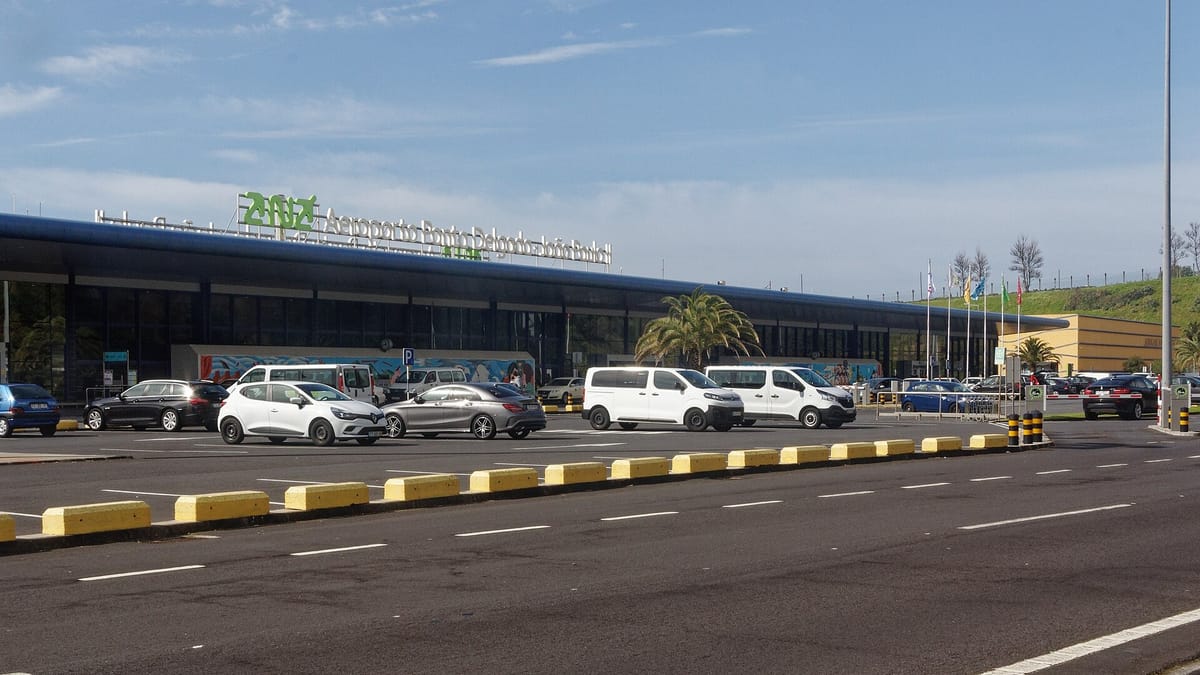
Six months after Ryanair stopped flying to the Azores, the first official figures show what the islands have lost. Between April and August, 1,206,055 passengers landed at the region's airports, 103,766 fewer than in the same months of 2025, a fall of 7.9 percent. The figures come from the SREA (Serviço Regional de Estatística dos Açores, the Azores Regional Statistics Service) and were compiled by the Lusa news agency on Monday.
Ryanair, which had flown to the archipelago since 2015 and linked São Miguel and Terceira with Lisbon and Porto, announced in November 2025 that it would leave and confirmed it in January 2026. Its last flight ran on 28 March. The airline blamed airport charges and European environmental taxation. Since April, flights between the islands and the mainland have been operated only by TAP and by Azores Airlines, part of the regional SATA group.
Fewer nights in hotels, mostly from mainland guests
The loss shows up in accommodation too. Between April and July, hotels, local accommodation (alojamento local) and rural tourism properties recorded 1,967,881 overnight stays, 71,627 fewer than a year earlier, a drop of about 3.5 percent. The April to June figures are provisional and July's are preliminary, so the totals may still move.
The fall is concentrated among guests living in Portugal. Across those four months, the region's tourist accommodation counted about 62,000 fewer nights from residents of Portugal than in 2025. That accounts for most of the drop.
The cost the business community predicted
Before the airline left, the CCIPD (Câmara de Comércio e Indústria de Ponta Delgada, the Ponta Delgada Chamber of Commerce and Industry) commissioned a study from the consultancy EY-Parthenon. It assumed Ryanair carried between 102,886 and 118,561 tourists to the islands a year, and estimated that losing them would cost between 339,000 and 391,000 overnight stays annually.
Because tourism accounts for about a fifth of regional GDP, the study put the hit at between 1.5 and 1.7 percent of the region's output in 2026, or between 90.1 and 104.5 million euros a year. Four months of official data do not yet show a loss on that scale.
Waiting for a replacement
The regional government has promised to fill the gap. In February, Berta Cabral, the regional secretary for tourism, said the executive was working with TAP and SATA to cover the lost routes and was taking steps to bring other airlines to the islands in the medium term. She added that a new carrier could arrive, at the earliest, "only from summer 2027".
In May the regional parliament approved an Air Route Development Fund (Fundo de Desenvolvimento de Rotas Aéreas), designed to help attract new connections. In August the Socialist Party (PS) demanded its "rapid implementation".
The chamber of commerce has already raised a separate complaint: it asked the competition regulator in September why a Lisbon to Azores return can cost more than a flight from Cabo Verde. Chega has also demanded a full account of the public money paid to the airline during its eleven years on the islands.
For residents and anyone planning a trip, the practical effect is fewer seats and less price competition on the mainland routes, at least until the route fund or a new airline changes that.