Sword Health Threads AI Physiotherapy Into the SNS — Virgílio Bento's Unicórnio Carries the Free-to-Patient Programme at Hospital de Santa Maria on a 97% Wait-Time Cut and 45% State Saving for Back, Knee and Shoulder Pain
The Serviço Nacional de Saúde (National Health Service, SNS) crossed a digital-health threshold on Thursday afternoon as Sword Health — the Porto-founded musculoskeletal-care unicórnio that Virgílio Bento and Márcio Colunas built in 2015 — locked in...
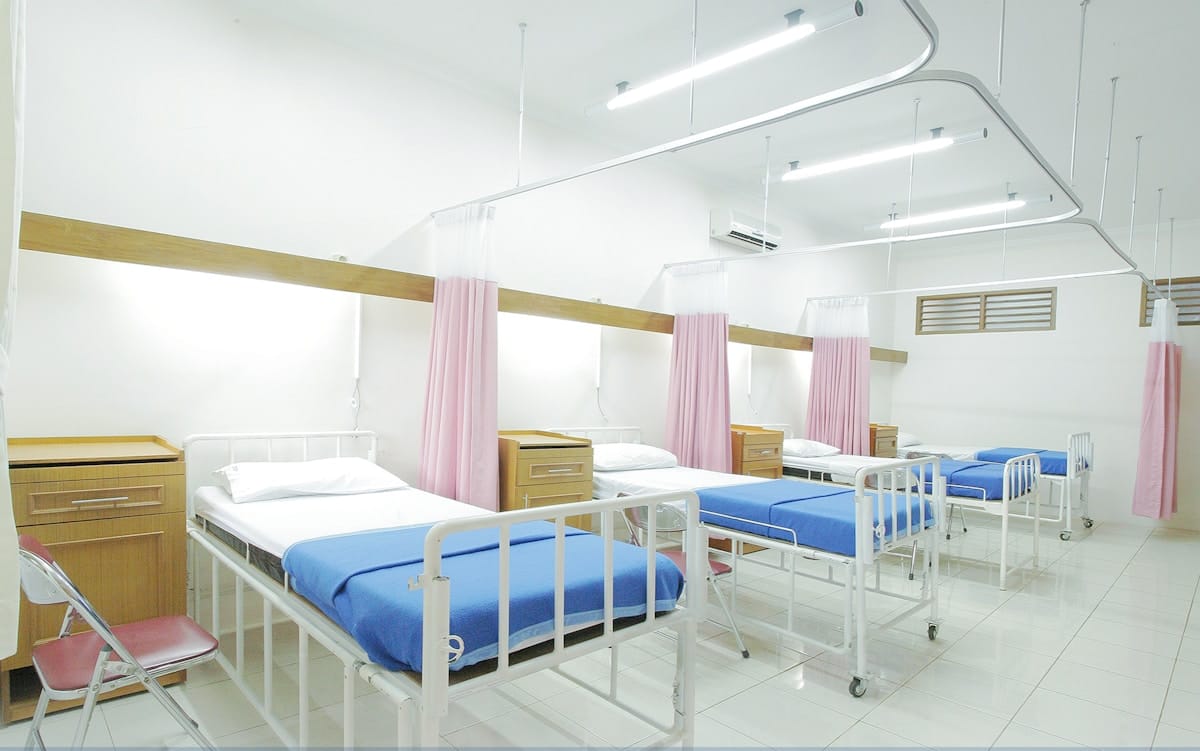
The Serviço Nacional de Saúde (National Health Service, SNS) crossed a digital-health threshold on Thursday afternoon as Sword Health — the Porto-founded musculoskeletal-care unicórnio that Virgílio Bento and Márcio Colunas built in 2015 — locked in a free-to-patient remote-physiotherapy programme that begins admitting SNS-prescribed users next week. Health minister Ana Paula Martins and deputy minister Gonçalo Matias anchored the announcement at the Hospital de Santa Maria in Lisbon, the SNS's flagship university hospital and the venue chosen to signal that the platform now sits inside the public delivery stack rather than at its private periphery.
The programme threads Sword's Artificial Intelligence-supervised exercise platform into the standard SNS prescription pathway. Family doctors at the Unidades de Saúde Familiar (Family Health Units, USF) and Unidades de Cuidados de Saúde Personalizados (Personalised Care Units, UCSP) — the two front-door primary-care formats inside the SNS — will be able to prescribe Sword sessions for the three highest-incidence musculoskeletal conditions in Portuguese primary care: lower-back pain, knee pain and shoulder pain. Patients run the exercise sets at home on a tablet kit, supervised remotely by a licensed fisioterapeuta with AI motion-capture feedback layered on top of the live human review.
The headline numbers framing the launch run sharp. The Ministério da Saúde (Ministry of Health) is projecting an up-to-97% reduction in time-to-treatment versus the current Centros Hospitalares physiotherapy queue, where waits for non-urgent musculoskeletal referrals routinely exceed two months across the SNS's regional administrations. The state-cost read is equally aggressive: officials are pencilling in roughly a 45% saving against the traditional in-clinic delivery model on a per-treatment-cycle basis, with the public payer underwriting unlimited sessions across a 12-month rehabilitation window per enrolled patient.
The regulatory frame had been put in place in February, when the Secretaria de Estado da Gestão da Saúde (Office of the State Secretary for Health Management) published the directive opening the SNS formally to remote physiotherapy delivered via certified medical devices — the legal carve-out that the Sword device pipeline needed to be reimbursable under the Sistema Integrado de Gestão do Acesso (Integrated Access Management System, SIGA) regime. Thursday's signing converts that statutory opening into a procurement reality.
For Sword the move is a homecoming with strategic optics. The company became Portugal's first health unicórnio in November 2021 on a $163 million Series D round that pegged it at a $2 billion valuation, then reset to a $3 billion mark on a $130 million round in 2024 after pivoting its U.S. commercial book to an AI-supervised model. The bulk of its revenue still comes from U.S. employer-sponsored health plans, and a separate U.S. lawsuit over algorithmic-care claims is scheduled for trial in September — a contested backdrop that makes a marquee SNS endorsement, signed by Ana Paula Martins inside Santa Maria, a useful sovereign reference for the Bento-Colunas pitch deck heading into the second half of 2026. On the Portuguese scale-up side of the file, Sword Health's all-cash purchase of Headspace sets out what the Massachusetts filing actually discloses, the 14 September effective date, why a company valued at about $3 billion in 2021 is changing hands for a fraction of that, and what it says about the 2028 listing Virgílio Bento has been pointing at.