SPEA Wants Madeira Dark From 20:00 to 23:00 on Sunday, When Young Zino's Petrels Leave the Mountains for the Sea
SPEA-BirdLife and Madeira's forest institute ask residents and businesses to switch off outdoor lights from 20:00 to 23:00 on 27 September, so juvenile Zino's petrels are not drawn into towns on their first flight to sea.
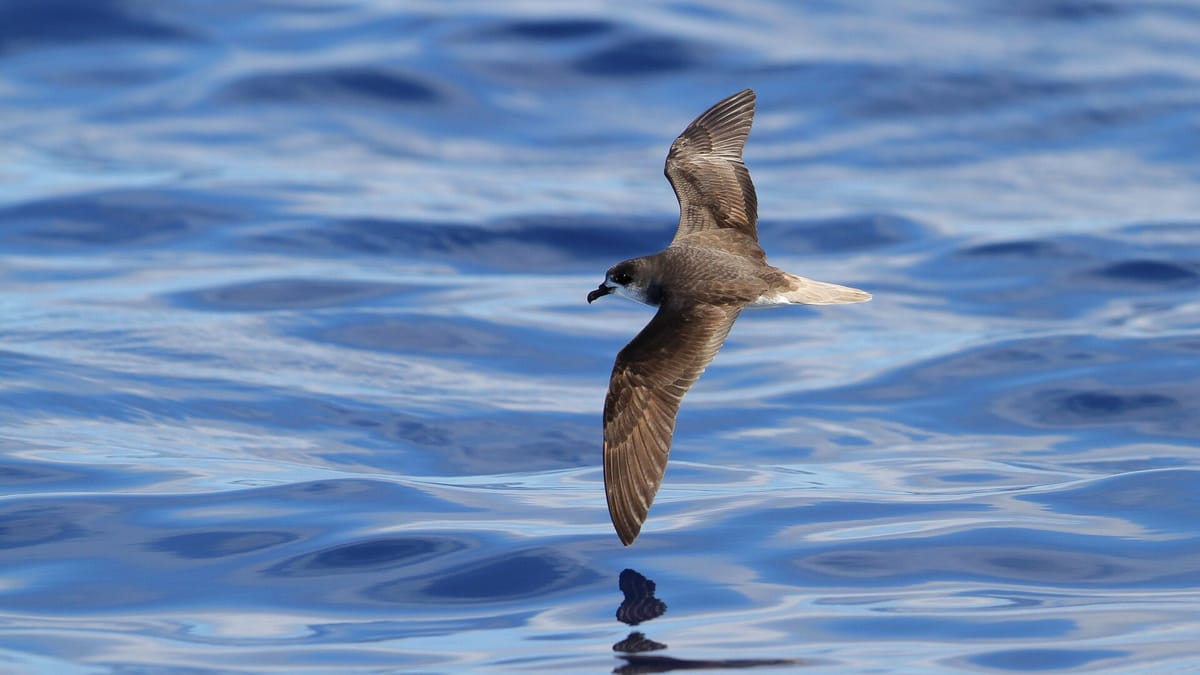
People in Madeira are being asked to switch off their outdoor lights for three hours on Sunday night, to help one of Europe's rarest seabirds reach the sea on its first flight.
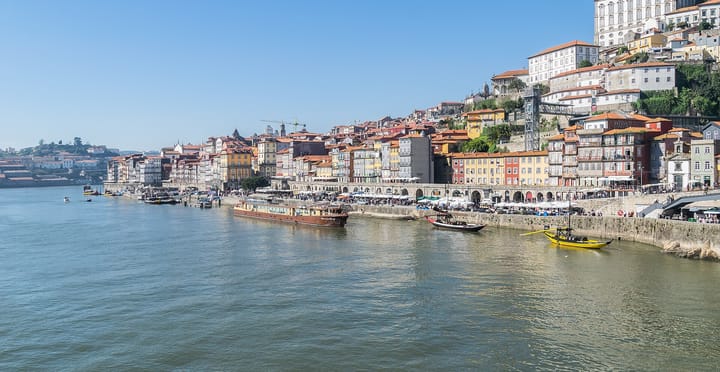
The Sociedade Portuguesa para o Estudo das Aves (Portuguese Society for the Study of Birds), known as SPEA-BirdLife, and the regional Instituto das Florestas e Conservação da Natureza (Institute of Forests and Nature Conservation, IFCN) are calling a symbolic blackout on 27 September, from 20:00 to 23:00. Households and businesses are invited to turn off exterior lighting, especially along the two corridors the birds are thought to use: between Câmara de Lobos and Funchal, and between Santana and Machico.
Why the lights matter
The freira-da-madeira (Zino's petrel) is found nowhere else. Its colonies are confined to Madeira's mountain peaks, and the adults spend most of their lives far out at sea, coming ashore only to breed. From mid-September the young birds leave their nests in the mountains and fly to the ocean for the first time, at night, finding their way by the moon and the stars.
Street and building lights confuse them. The juveniles are drawn towards built-up areas, where they collide with buildings, are hit by cars or are caught by predators. SPEA says the first flights run from 15 September to 15 October.
"Zino's petrel is one of the rarest species in all of Europe and is critically endangered. The juveniles' first flights are among the most important stages for the survival of the species," said Cátia Gouveia, who coordinates SPEA-BirdLife in Madeira.
Sunday is the headline date, but SPEA asks for outdoor lights to be kept low or off whenever they are not needed for the whole four weeks. Businesses and other organisations that change their lighting for good can apply for the "Noite com Vida" (Night with Life) award, which recognises good outdoor-lighting practice.
A problem across the Atlantic islands
Light pollution is not only a Madeira issue. In Macaronesia, the Atlantic archipelagos that include Madeira, the Azores and the Canary Islands, more than 10,200 seabirds are rescued each year after being disoriented by artificial light, SPEA said this month. Its LIFE Natura@night project, which works with the councils of Câmara de Lobos, Funchal, Santa Cruz, Machico and Santana among others, replaced 715 street lights with lower-impact fittings between 2022 and 2025. Some municipalities cut the energy those lights used by as much as 60 percent.
Sunday's appeal is part of LIFE Freiras, an EU-funded project coordinated by the IFCN with SPEA and the XIS Group. SPEA ran the same blackout on the same date last year.
What to do if you find a grounded bird
SPEA's advice is simple. Approach slowly, place the bird in a cardboard box, and release it at night by the sea, in a calm, dark spot.
The next big test comes soon. Young Cory's shearwaters, the island's largest and most numerous seabird, leave their nests from 15 October to 15 November, and SPEA has called a second "Mega Apagão" (mega blackout) for 30 October, again from 20:00 to 23:00. It is also looking for volunteers for its rescue patrols from 23 October to 5 November.