Spain's Plenergy Bets €17 Million on Undercutting Portuguese Pump Prices by Up to 20 Cents a Litre
Spanish low-cost retailer Plenergy is investing up to €17 million to expand across Portugal, pricing fuel 15–20 cents a litre below the majors via domestic sourcing, automation and no convenience stores. Seven stations already trade; it targets 35–40 by end-2026, at least one per district.
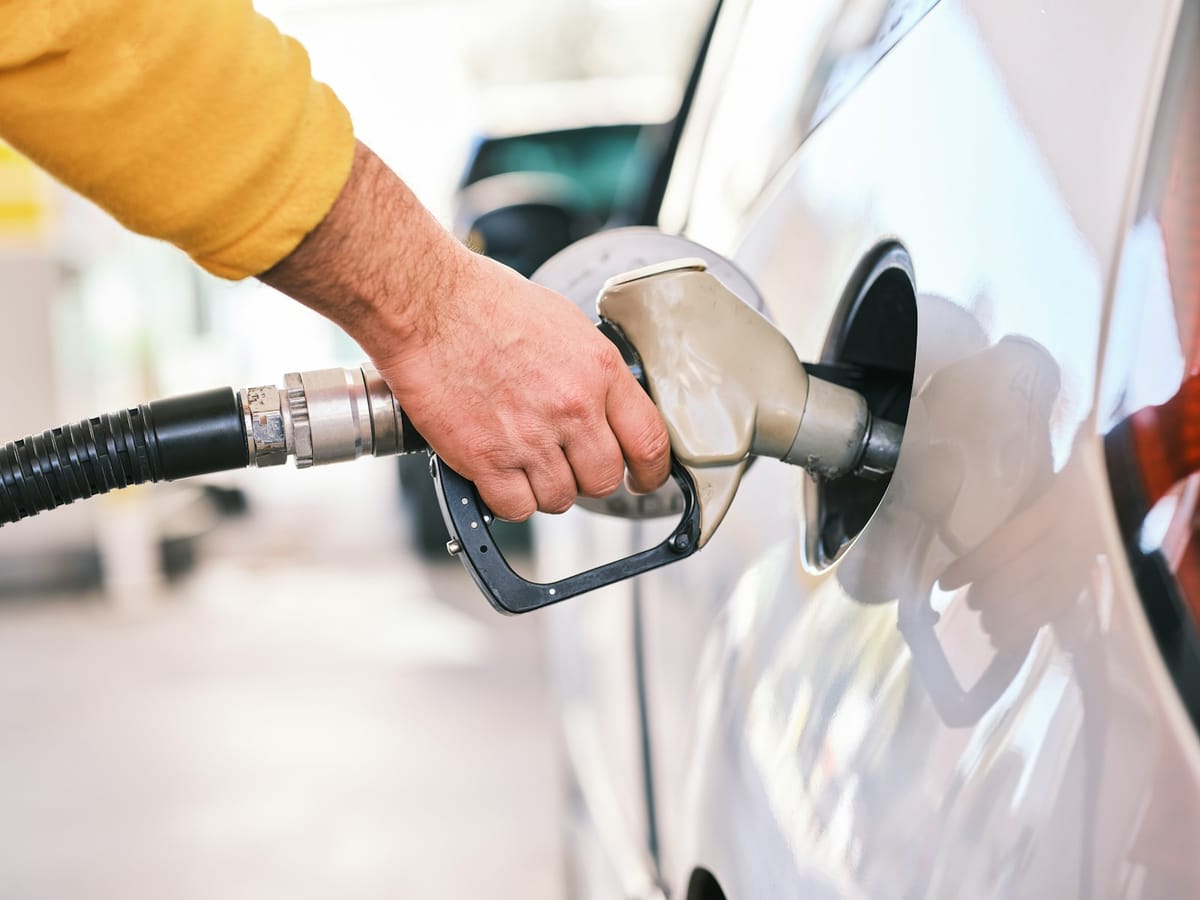
A Spanish fuel retailer built on stripping every euro of cost out of the forecourt is making a hard push into Portugal, and it is betting drivers will notice the price on the sign before anything else. Plenergy is committing between €15 million and €17 million to its Portuguese expansion, of which around €10 million has already gone into seven stations now pumping fuel.
The company's pitch is blunt: petrol and diesel priced 15 to 20 cents a litre below the established brands. On a 50-litre fill, that is a saving of €7.50 to €10 — the kind of gap that changes where a commuter chooses to refuel.
How the low-cost model works
Plenergy squeezes the price by squeezing the operation. It sources its fuel entirely within Portugal, runs the sites with minimal on-site staff and heavy automation, skips the convenience stores and night shifts that fatten a traditional station's overheads, and adjusts prices daily to stay the cheapest option in each area. Director Tiago Preguiça says the aim is simply to offer “the best price in each region,” a promise the model is engineered to keep rather than market.
The stations already trading sit in Guarda, Viana do Castelo, Vila Nova de Gaia, Paços de Ferreira and Santa Maria da Feira. More are due before September — Trofa opened in July, with Matosinhos, Abrantes, Loures and Póvoa de Varzim to follow.
Early trading is running ahead of plan: Plenergy says sales in Portugal are already 10 to 15% above its own projections after just six months in the market.
A price war the regulator is already watching
The timing is pointed. Portuguese drivers have spent the past year frustrated that pump prices barely moved even as crude fell, a mismatch that pushed the government to order the ENSE energy regulator to investigate why the savings were not reaching the forecourt. A low-cost entrant undercutting the majors by up to a fifth of a euro a litre is exactly the competitive pressure that scrutiny was meant to encourage.
- Coverage plan: Plenergy is targeting 35 to 40 Portuguese stations by the end of 2026, aiming for at least one in every district.
- Jobs: the lean model creates modest employment — about 61 posts by 2026 — a trade-off baked into the low-cost formula.
- Scale behind it: in Spain the chain turns over €1.55 billion a year selling nearly 1.4 billion litres, so it is not a fragile newcomer.
For residents who drive, the arrival of an automated discounter is the most direct relief on fuel costs in some time — provided a Plenergy station is within a sensible detour. For the incumbents, it is a warning that the quiet consensus on Portuguese pump prices is about to be tested by a company whose entire business is being the cheapest name on the road.