Portugal Orders the ENSE Energy Regulator to Examine Why Pump Prices Held Firm After a 10% Crude Slide
On 1 July, Environment and Energy Minister Maria da Graça Carvalho said the government had asked the ENSE regulator to explain why petrol and diesel barely moved even as crude fell about 10% — a 'rockets and feathers' gap she called something that 'has no reason to be.'
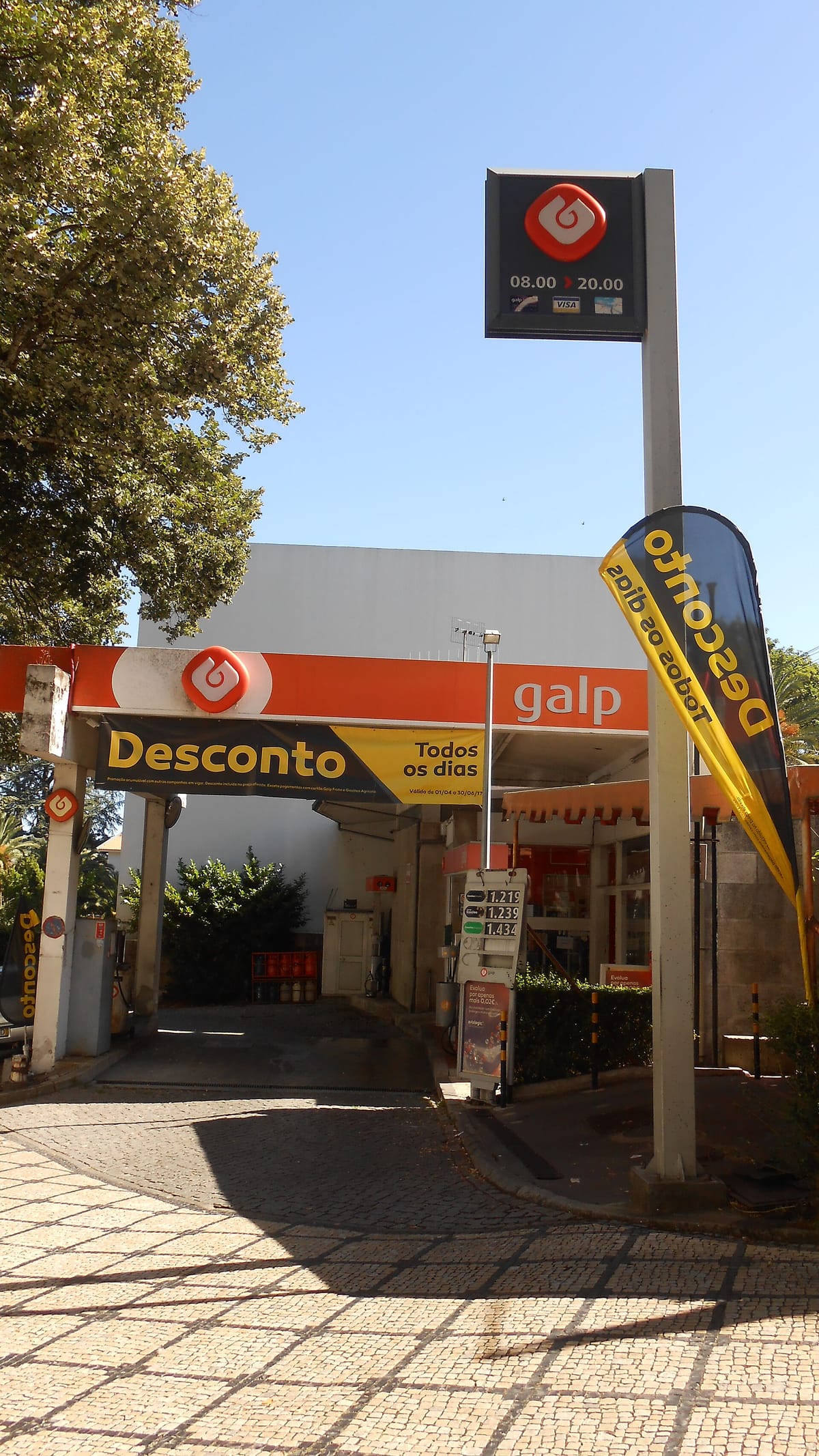
Portugal's government has asked the country's energy regulator to explain a familiar grievance: why fuel at the pump barely moved even as the price of crude oil tumbled around 10% over the previous week. Speaking on 1 July, the Minister of Environment and Energy, Maria da Graça Carvalho, said the mismatch had already been referred to the Entidade Nacional para o Setor Energético (National Energy Sector Entity, ENSE) for analysis, calling the slow decline in petrol and diesel prices something that "has no reason to be."
The complaint captures a suspicion drivers voice every summer — that pump prices shoot up the moment oil rises but drift down grudgingly when it falls. Economists call it the "rockets and feathers" effect. The minister's intervention turns that hunch into a formal question for the regulator, at the start of the peak driving season.
What the minister said, and where
Carvalho raised the issue on the sidelines of a parliamentary hearing on the proposed tie-up between Galp and Spain's Moeve, a separate matter that has kept the energy portfolio in the spotlight. Her point on fuel was blunt: crude quotations had dropped sharply, yet the retail price of gasoline and diesel had stayed effectively flat. "The fact that fuel prices are now not coming down at the same speed at which they went up… we have already asked ENSE to look at this question," she said.
ENSE, best known for managing Portugal's strategic petroleum reserves, also tracks the sector's pricing. Referring the asymmetry to the regulator does not, in itself, force prices down — but it signals that the government wants an evidence-based account of whether the lag reflects normal market timing or something firms could correct faster.
The numbers behind the frustration
Portugal publishes a weekly reference "efficient price," and recent weeks have shown almost no movement. For the week spanning the end of June into early July, the pre-tax efficient price sat near €0.905 per litre for simple 95-octane petrol and about €0.951 for simple diesel; with taxes loaded on, those translate to roughly €1.88 per litre for petrol and €1.80 for diesel. Week on week, the efficient price shifted by only about -0.1% for petrol and -0.3% for diesel — a whisker of a decline against a double-digit fall in crude.
Part of the explanation is structural. A large share of the pump price in Portugal is tax and margin, not the raw commodity: the Imposto sobre Produtos Petrolíferos (Tax on Petroleum Products, ISP) plus VAT means crude's swings are diluted by the time they reach the forecourt. There is also a genuine timing lag, because refined-product prices and hedged supply contracts do not track spot crude minute by minute. The government's question is whether those factors fully justify the gap — or whether the downward adjustment is simply too slow.
Why this lands now
Fuel is one of the most visible lines in a household budget, and its stickiness feeds directly into the cost-of-living debate. It also arrives amid a run of energy-policy moves: the state has been leaning on targeted supports such as the gas-bottle subsidy that runs to mid-September, while touting a very different story on the power grid, where renewables have pushed wholesale electricity prices toward some of Europe's lowest levels. Cheap electrons make expensive pump prices harder to swallow — and sharpen the political case for pressing the regulator.
For now, the ball is with ENSE. Its findings will not appear overnight, and there is no guarantee of a mandated price cut at the end of it. But the referral puts fuel retailers on notice that the government is watching the gap between crude and the pump — and expects the feathers to fall faster.
What This Means for Expats
- Budget for stickiness: Don't assume a fall in oil headlines means cheaper fuel next week. Taxes and margins mean pump prices move slowly and partially, in both directions.
- Watch the weekly reference: Portugal's published weekly efficient prices are a useful early signal of where the pump is heading — a better guide than global oil news alone.
- Diesel vs petrol still matters: Diesel remains cheaper per litre at the pump, a factor worth weighing if you are buying a used car or importing and legalising a vehicle.
- Total energy picture: If pump costs bite, the cheaper side of the ledger is the grid. Getting your household electricity and gas contract right can offset some of the fuel squeeze.
- Shop the forecourt: Prices vary between brands and between motorway and town stations. Apps and the ENSE/DGEG price maps let you compare before filling up.