Gas-Bottle Subsidy Runs to Mid-September as the Environment Minister Floats a Second Electric-Car Incentive Round
Environment Minister Maria da Graca Carvalho says the bottled-gas subsidy will run at least to mid-September, and a second EUR 10 million electric-car incentive round could follow this year if Middle East tensions ease and reserved funds are freed. The ISP fuel-tax discount, however, is being wound
Households worried about the cost of heating and cooking got a small piece of reassurance this weekend: the state's subsidy for bottled gas will keep running past its planned end. Speaking on the Conversa Capital programme aired by Antena 1 and Jornal de Negócios, the Minister for the Environment and Energy, Maria da Graça Carvalho, confirmed that the support for buying a botija de gás (a gas bottle) will be maintained beyond June — its original deadline — and will now stay in place at least until the middle of September, when it will be reassessed.
The bilha solidária (solidarity bottle) scheme reimburses part of the cost of the gas canisters that millions of Portuguese homes still rely on for cooking and hot water, particularly outside the cities and among lower-income families. Keeping it alive through the summer removes, for now, the risk of an abrupt cut at a moment when the government is wary of anything that adds to the cost of living.
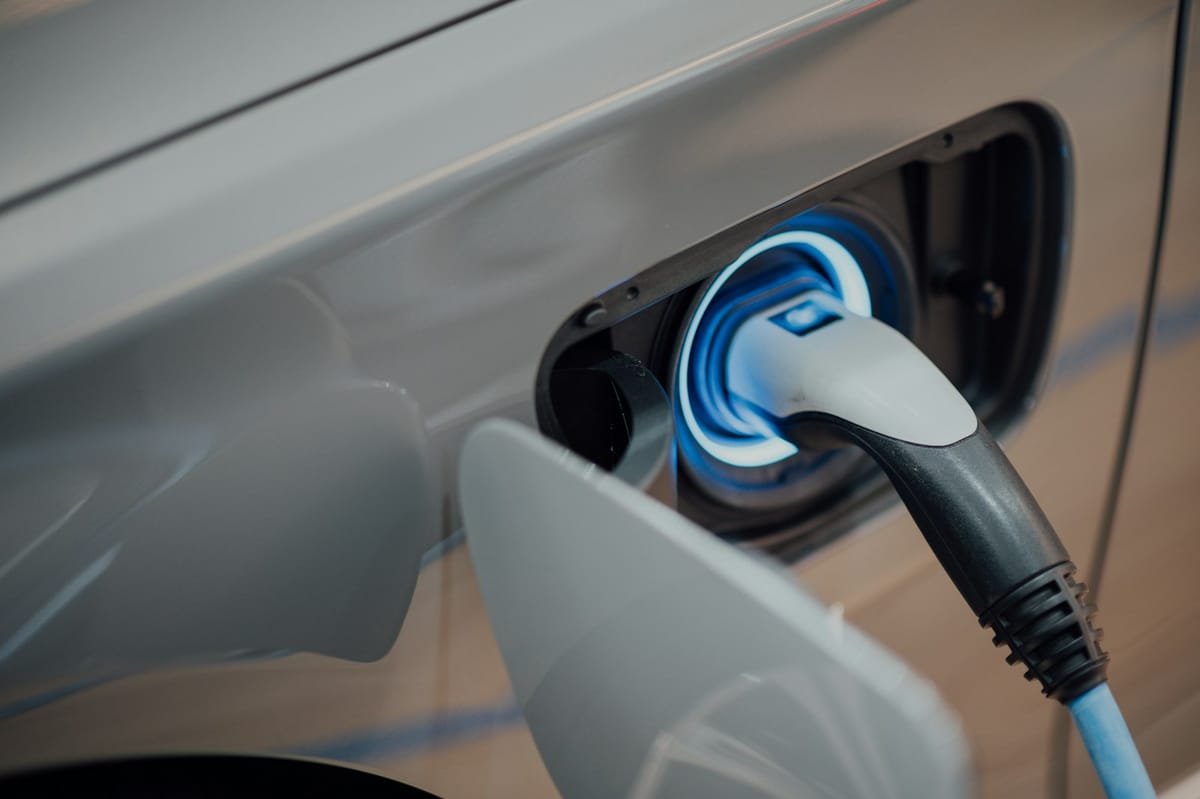
On electric cars, the minister was more conditional. A first round of purchase incentives reopened on 11 June through the Fundo Ambiental (Environmental Fund), with €10 million on the table — including grants of up to €4,000 for private buyers of a new fully electric car priced below €38,500 (or €55,000 for models with five or more seats), and up to €5,000 for social-solidarity institutions. Carvalho said that programme has effectively run out in every category except the slice reserved for those institutions, with roughly 2,200 vehicles approved and a few hundred more on a waiting list in case approved applications fall through.
A second package, also worth about €10 million, could follow in the second half of the year — but only if conditions allow. The minister tied it explicitly to the crisis in the Middle East: funds currently held in reserve to cushion the transport and fuel sectors against any oil-price shock would need to be freed up first. If the geopolitical tension eases and those reserves are no longer needed, she suggested, a fresh tranche of electric-car cheques could be released before December.
Other green-spending plans are being reshuffled in the meantime. Support for home solar-panel battery storage has been pushed to next year and is set to be folded into an expanded E-Lar programme through a voucher system, while the Vale Eficiência energy-efficiency cheque is being absorbed into a broader Plano Social para o Clima (Social Climate Plan) worth some €1.6 billion, aimed at small firms in low-density regions and at the transport sector. The minister attributed part of the delay to the Portuguese Environment Agency being pulled onto other urgent tasks, from storm recovery to the fallout of the Middle East crisis.
Carvalho also acknowledged that the discount on fuel tax is on borrowed time: the temporary relief on the ISP (Imposto sobre os Produtos Petrolíferos, the Tax on Petroleum Products) is due to be wound down in line with European Commission requirements, even as other transport and fuel supports continue while prices settle.
For consumers, the takeaways are practical. Anyone relying on bottled gas can count on the subsidy through the summer; would-be electric-car buyers who missed the June round will have to watch the Environmental Fund for a possible second opening later in the year; and the cushion on fuel prices, unlike the gas support, is heading for the exit rather than an extension.