Sleep Apnoea Could Be Diagnosed at Home and Treated Through the Family Doctor, Under Pilot Rules From Portugal's Health Directorate
The DGS has set the rules for SNS pilots in which a home sleep test, a remote hospital team and the health centre handle obstructive sleep apnoea, with 30-day targets. Where and when the pilots start is not yet known.
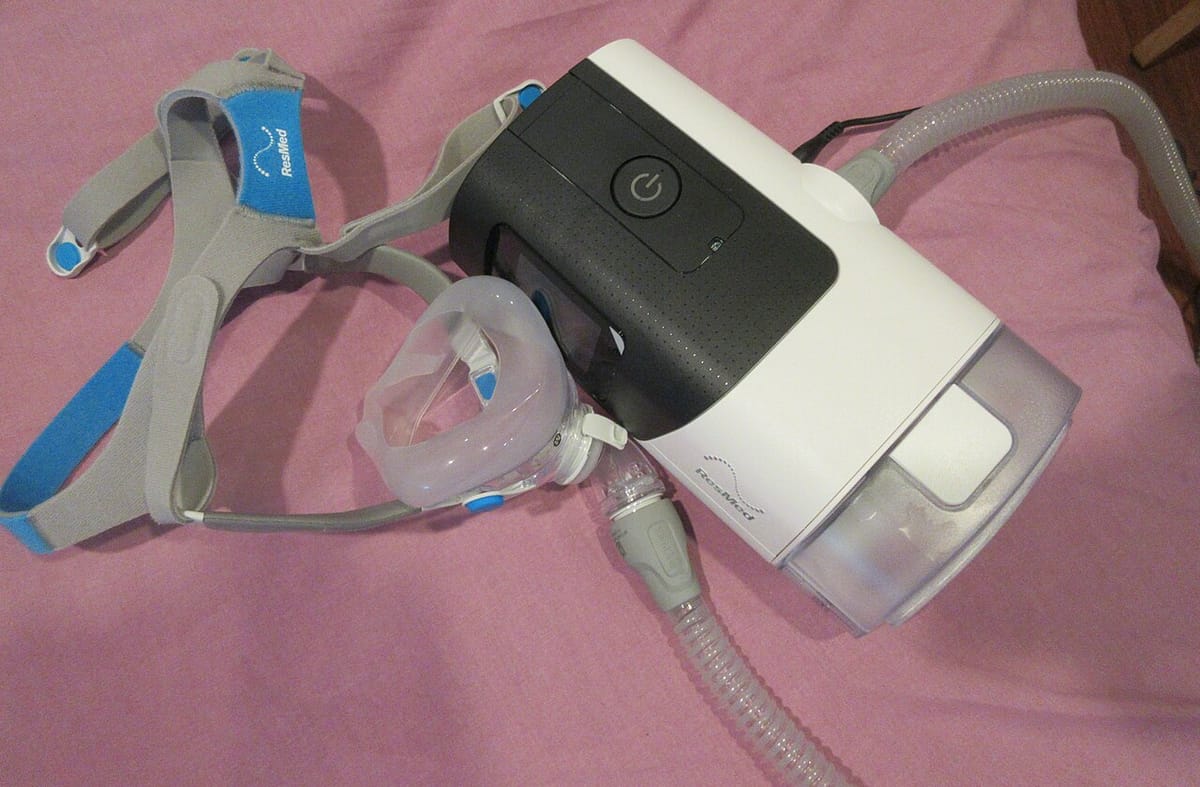
People with suspected sleep apnoea could be tested at home, diagnosed and started on treatment without ever going to a hospital sleep clinic, under a model for family health care that the Direção-Geral da Saúde (DGS, the Directorate-General of Health) set out on 14 October. The document lays down the rules for pilot projects in the Serviço Nacional de Saúde (SNS, the National Health Service); it does not yet say where they will run or when they start.
The terms of reference cover síndrome de apneia obstrutiva do sono (SAOS, obstructive sleep apnoea), a condition in which the upper airway repeatedly narrows or closes during sleep, cutting oxygen and breaking up sleep. They were issued under Despacho n.º 7471/2026 of 15 June, signed by the director-general of health, Rita Sá Machado, and took effect on publication.
Why the DGS wants to move it out of hospitals
The DGS estimates that more than 15 percent of Portuguese adults have clinically significant sleep apnoea, with "a substantial proportion" of cases undiagnosed. It links the condition to heart, metabolic and cognitive problems and to a higher risk of road and workplace accidents.
Demand for specialist sleep medicine has grown with an ageing population and rising obesity, and the document says this has produced waiting times "incompatible with a timely response". Its answer is to move most of the work to cuidados de saúde primários (primary care, the family doctor and health centre level), under the supervision of hospital specialists.
The model is based on a pilot at the Unidade Local de Saúde (ULS, local health unit) de Santa Maria in Lisbon, funded by the European project INNOBICS-SAHS. The DGS says that pilot improved access, cut response times and reduced hospital referrals, but its report on it is an internal document that has not been published.
How the pathway would work
- The family doctor raises the suspicion. The first assessment covers symptoms by day and night, risk factors and other conditions, and a physical examination including body mass index, neck circumference and blood pressure.
- A screening questionnaire decides who qualifies. Adults aged 18 or over are eligible if they score at least 3 out of 8 on the STOP-Bang questionnaire, have no exclusion criteria, can follow the pathway and consent to joining it and to the processing of their data.
- A technologist runs a home sleep test. A técnico superior de diagnóstico e terapêutica (diagnostic and therapeutic technologist) in cardiopneumology, based in primary care and trained in sleep medicine, carries out a level III cardiorespiratory sleep study in the patient's home. The equipment must record at least airflow, breathing effort, blood oxygen and heart rate or an ECG.
- A hospital team confirms the diagnosis remotely. A Unidade Virtual de Sono (virtual sleep unit), part of a hospital pulmonology department, interprets the study, confirms the diagnosis, decides the treatment and, where needed, issues the first electronic prescription for a CPAP or APAP machine, which keeps the airway open with air pressure through a mask.
- Treatment is followed up close to home. The home respiratory care company installs and maintains the machine and sends usage reports to the health centre. The technologist steps in if someone is not using the machine, still has breathing events, cannot tolerate it or is getting worse, and refers them back to the virtual unit if needed. The family doctor stays responsible for the patient's overall care.
The questionnaire
STOP-Bang gives one point for each "yes", using a version validated for Portugal:
- Do you snore regularly?
- Do you often feel tired, fatigued or sleepy during the day?
- Has anyone seen you stop breathing during sleep?
- Do you have, or are you treated for, high blood pressure?
- Is your body mass index over 35?
- Are you over 50?
- Is your neck circumference over 40 cm?
- Are you male?
The initial assessment form also asks whether the patient has had an accident or near miss on the road linked to daytime sleepiness, and whether they take sedating medicines such as benzodiazepines, sleeping pills or opioids.
What the result means
The diagnosis rests on the apnoea-hypopnoea index, the number of breathing pauses or shallow-breathing episodes an hour. Under 5 rules sleep apnoea out (with further tests if indicated). From 5 to 14.9 is mild, from 15 to 29.9 moderate and 30 or more severe. From 15 upwards, CPAP is the standard treatment, though the virtual unit's doctor decides case by case. Patients in every band stay with primary care, and those below 5 can still be referred to a hospital sleep clinic where indicated.
Who goes straight to a hospital clinic
Some patients are excluded from the home pathway and referred directly to a hospital sleep medicine appointment. They include anyone who has used CPAP or a mandibular advancement device before or had airway surgery for apnoea, and people with chronic opioid use, alcohol dependence, pregnancy, kidney failure on dialysis, a serious uncontrolled psychiatric illness, obesity hypoventilation syndrome, significant respiratory failure, decompensated heart failure or a neuromuscular disease affecting breathing. Suspected central sleep apnoea and other sleep disorders are also excluded.
The targets
Each participating ULS must report to the DGS every quarter against these goals:
- no more than 30 days from referral to the sleep study;
- no more than 30 days from diagnosis to the start of treatment;
- at least 95 percent of studies technically valid;
- at least 70 percent of patients still using their CPAP or APAP after six months;
- at least 70 percent diagnosed, treated and followed entirely in primary care.
The DGS will evaluate the pilots on their clinical, organisational and economic results and on patient and staff satisfaction, and will then decide whether to extend the model to the whole SNS.
What it means for you now
The document does not name the ULS that will run the pilots, give a start date or say how many patients they will take, so for most people nothing changes yet. If you or your partner notice loud snoring, pauses in breathing at night or heavy daytime sleepiness, raise it with your family doctor, who remains the way into this pathway and into a hospital referral. People without an assigned family doctor, a growing group in the Lisbon region, can ask at their health centre or call SNS 24 on 808 24 24 24.
The terms of reference are published by the DGS, in Portuguese, with a short summary in English.