Sines Start Campus Carries the 1.2 GW Hyperscale Build Across the BdP Investment-Forecast Upgrade — SIN01 Operating, SIN02 Lift From Nscale's €465M Second-Building Commitment and the Six-Phase 2030 Roadmap Recast the Macro Read
Banco de Portugal's June bulletin credits a single private campus — Start Campus at Sines — with the bulk of the 2026 investment-forecast lift from 3.8% to 4.5%. Inside the 1.2 GW build, the Nscale €465M SIN02 anchor and what the macro read now hinges on.
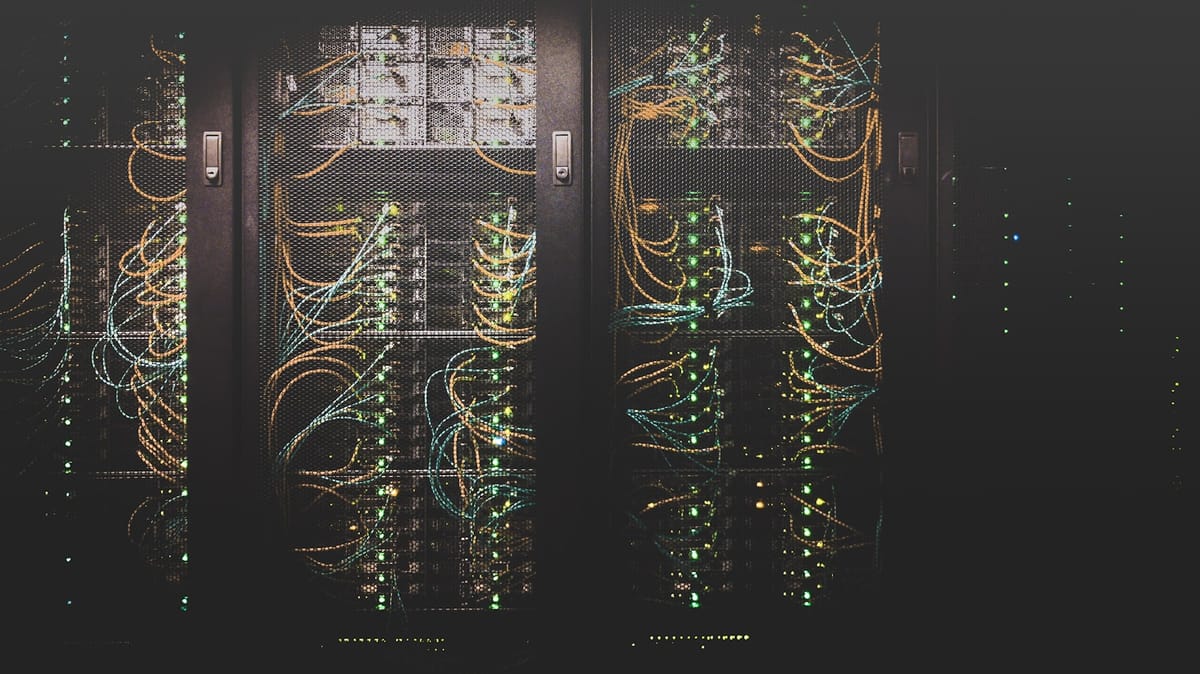
The Banco de Portugal (Bank of Portugal, BdP) June Boletim Económico (Economic Bulletin) credits a single private campus — the Start Campus build at Sines — with the bulk of the upward revision to its 2026 investment forecast, raised from 3.8% to 4.5% growth, and to its imports forecast, lifted from 1.9% to 3.7%. Strip the Start Campus contribution out of the model and BdP's central economic-activity read flattens materially. That is an unusual concentration of macro signal in a single private project, and it makes the Start Campus delivery calendar a load-bearing variable in Portugal's near-term GDP arithmetic.
The project
Start Campus is a joint venture led by Davidson Kempner Capital Management with Pioneer Point Partners, building out a planned 1.2 GW (gigawatt) colocation and AI-and-HPC (artificial-intelligence and high-performance-computing) campus on the Sines industrial-port platform on Portugal's southwest Atlantic coast. Aggregate private capital is set at €8.5 billion across six phased buildings — SIN01 through SIN06 — with full campus operation targeted for the 2030 horizon.
SIN01 operating, SIN02 anchored
SIN01, the first 26 MW (megawatt) building, was inaugurated in April 2025 and is now in commercial operation. SIN02, originally framed as a 495 MW second building, has since been resequenced around AI workloads. In May 2026, the UK-based Nscale anchored a fresh €465 million commitment on a 200 MW second-building tranche at the campus, alongside €230 million in shared infrastructure — a stack that itself underpins the Nscale–Microsoft programme to deliver more than 66,000 NVIDIA Rubin GPUs onto the Sines site as deployments ramp from 2027.
Why the BdP read moved
The investment-forecast lift BdP booked this week is in effect a forward-loading of the Sines capex calendar. Construction-and-equipment spend pulls into 2026, then imports of high-end IT and electrical hardware lift in parallel — explaining why BdP's imports revision (1.9% → 3.7%) is more than double the investment revision (3.8% → 4.5%). The two numbers move together because the Sines build is import-intensive at the equipment stage: GPUs, switchgear, transformers and chillers all transit through Setúbal and Sines port terminals before booking onto the campus footprint.
Concentration risk
The flipside is project concentration. If SIN02's Nscale-anchored tranche slips — over regulatory, supply-chain or financing variables — the 2026 forecast loses its scaffolding fast. The same goes for the Sines transmission-grid upgrade that Rede Energética Nacional (REN — National Electricity Grid Operator) must complete to step up to multi-hundred-megawatt loads. BdP itself flags grid-capacity availability and electricity-pricing volatility as material risk factors in the bulletin, alongside the Iberian water-cooling permit framework.
The 2030 read
Sequencing through SIN02 and into SIN03 across 2027–2029 will determine whether the Start Campus pull-through is a one-cycle macro lift or a multi-year platform shift in Portugal's investment-to-GDP ratio. Either way, the BdP June bulletin makes the framing official: Portugal's 2026 macro read now reads through one campus on the Sines port platform — and the rest of the corporate-investment universe sits behind it.
Sources: BdP — Boletim Económico (Junho 2026); Start Campus corporate communications; Nscale press release (May 2026); Lusa.