Silves Brings Back Its Award-Winning Cork Museum, Shut Since 2009
One of the Algarve's most celebrated cultural landmarks has come back to life. On Saturday, the Museu da Cortiça (Cork Museum) in Silves — the medieval former capital of the Algarve, set on the banks of the Rio Arade (Arade River) — reopened its...
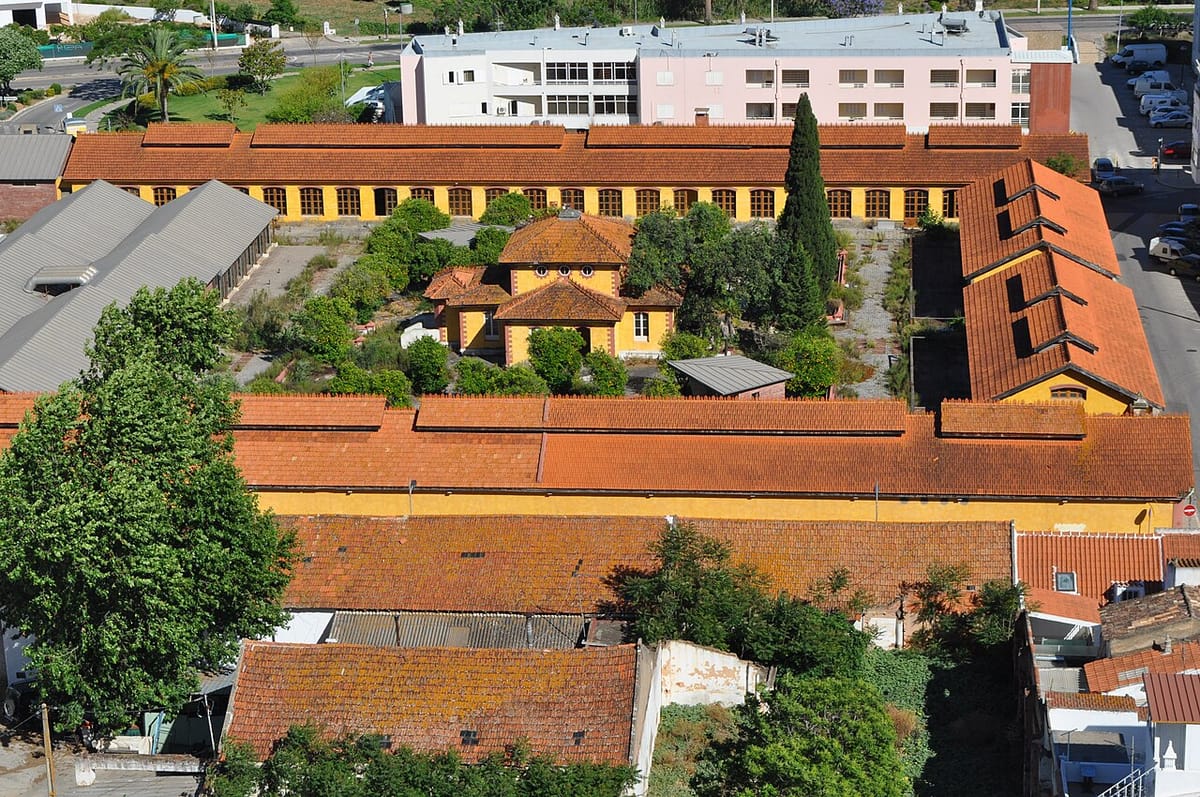
One of the Algarve's most celebrated cultural landmarks has come back to life. On Saturday, the Museu da Cortiça (Cork Museum) in Silves — the medieval former capital of the Algarve, set on the banks of the Rio Arade (Arade River) — reopened its doors to the public for the first time in more than a decade and a half, marking the first step in the revival of the historic Fábrica do Inglês (the Englishman's Factory) complex that houses it.
The reopening took the form of a single evening preview, from 6pm to 9pm, with visitors required to register in advance. It is a modest curtain-raiser for a much larger ambition: the new owner says the museum is back permanently this time, with the intention of keeping it "open forever" once a regular schedule is in place.
The Fábrica do Inglês is a late-19th-century industrial complex, built when British merchants ran a thriving cork-processing trade out of Silves and shipped the material across Europe. The factory was converted into a cultural and tourism venue in the late 1990s, and the Cork Museum opened in 1999 to tell the story of an industry that remains central to the Portuguese economy. It quickly earned international recognition, winning the Luigi Micheletti Award (Prémio Luigi Micheletti) for the best industrial museum in Europe and drawing more than 100,000 visitors in 2001 alone.
Then it fell silent. In 2009, the company running the cultural and commercial space went insolvent, and the entire Fábrica do Inglês — museum, restaurants and event spaces — closed down, becoming a symbol of the Algarve's over-reliance on seasonal tourism and the fragility of privately run heritage projects. It stayed shuttered for years.
The turnaround began in September 2025, when the property developer Antrix, S.A. acquired the complex with the stated aim of making the Fábrica do Inglês "reborn as a reference cultural and tourist destination," reopening and operating the Cork Museum as part of a wider scheme that also includes a boutique hotel. Saturday's preview is the first tangible proof that the plan is moving from paperwork to reality.
The timing is fitting. Cork is one of Portugal's signature exports, and the country still produces around half of the world's raw cork, harvested from the montado oak landscapes of the Alentejo and the Algarve. For Silves — a town that trades heavily on its Moorish castle and its riverside history but has long watched the Fábrica do Inglês sit empty at its edge — the museum's return is both a cultural homecoming and a bet that heritage tourism can anchor visitors inland, away from the crowded coast. On what it now costs to keep a national museum open on a feriado, our report on the 60 euro availability supplement created for the front-of-house staff of Museus e Monumentos de Portugal who work a public holiday, indexed to the public pay table and backdated to April 2026 sets the latest reference.