Sign-Ups for IOM's Voluntary Return Programme Jump More Than 40 Percent as 79 Immigrants a Month Ask for Help to Go Home
An average of 79 immigrants a month signed up for the IOM's assisted return programme in 2026, up from 55 in 2025. Here is who can apply, what support is on offer, and what a return means for coming back to Portugal.
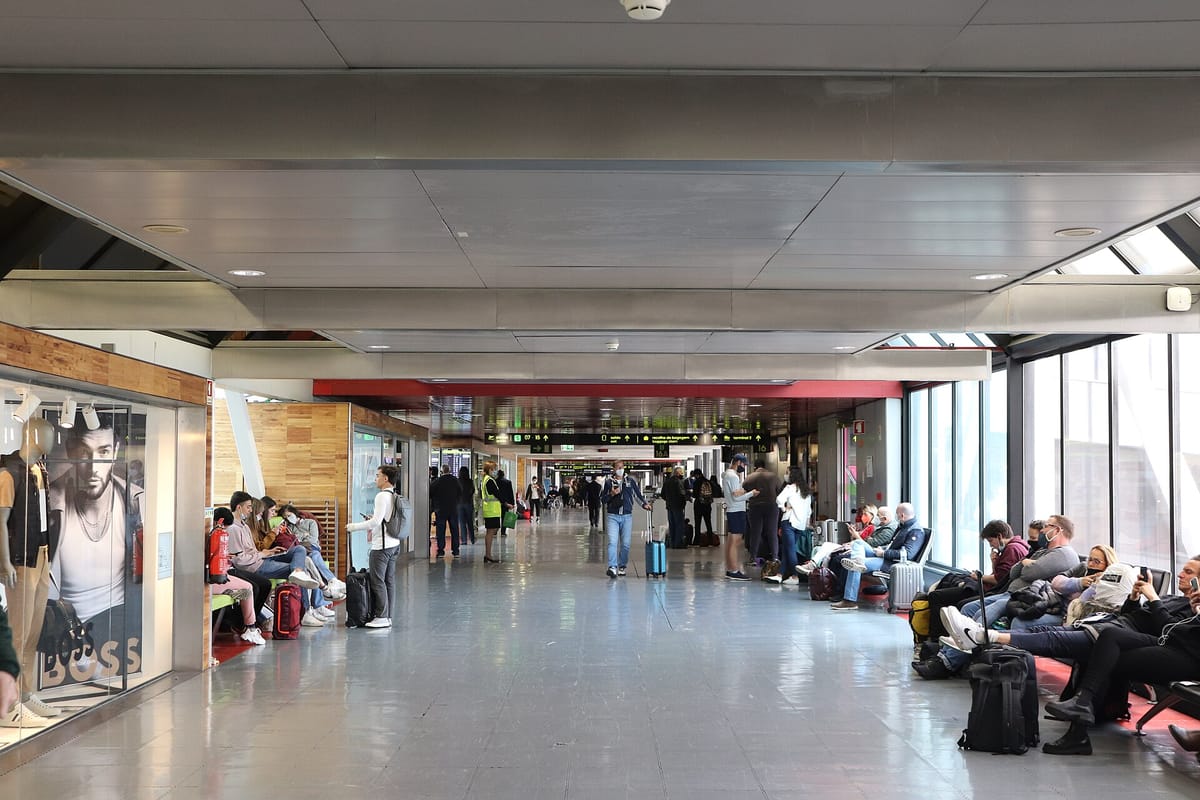
More immigrants in Portugal are asking for help to go home. Sign-ups for the International Organization for Migration's (IOM) assisted voluntary return programme rose by more than 40 percent this year, from an average of 55 people a month in 2025 to 79 a month in 2026, according to IOM data up to September reported by Lusa and carried by Observador and Notícias ao Minuto on 10 November.
Since the programme began, 2,048 people have registered, 86 percent of them Brazilian, but only 325 have actually travelled, according to the same Lusa figures. Of those who returned, 269 were Brazilian, out of 17 nationalities in total. Vasco Malta, head of the IOM mission in Portugal, told Lusa that the gap is partly down to people dropping out: some find work or family support in Portugal, and others travel on their own.
What the programme is
The current scheme is called ARVoRe IX (Apoio ao Retorno Voluntário e à Reintegração, or Support for Voluntary Return and Reintegration). It is run by the IOM office in Lisbon and co-funded by the EU's Asylum, Migration and Integration Fund (known in Portugal as FAMI). The IOM's programme page says it is for people who cannot or do not wish to stay in Portugal and who lack the money to travel to a country where they have the legal right to enter and stay. The current project runs until December 2026.
According to the IOM, the support includes:
- a plane ticket on the most direct and cheapest route to the country of origin, with departures from Lisbon airport, where IOM staff meet travellers on the day;
- €70 in pocket money on the day of travel for costs on the journey or on arrival;
- for some people, reintegration support worth up to €2,000 to help build a life back home, with six months of follow-up after the return. The IOM says this support is limited and not available to everyone registered, and that it must be requested before travel.
Malta told Lusa that the time from registration to travel is two to three months on average, so the programme may not suit urgent cases such as a death in the family.
How to apply
The IOM can be contacted directly by email at [email protected] or by phone and WhatsApp on +351 915 030 860, +351 913 590 368 or +351 912 123 200, according to an information note from AIMA, the Agency for Integration, Migration and Asylum. For a face-to-face appointment, call first. AIMA's social intervention unit also gives information and helps people fill in applications, and the IOM has a network of partner organisations across the country that can take requests.
What it means for you
Taking this help has consequences under Portugal's immigration law. Under Article 139 of Lei 23/2007, anyone who holds a residence permit must hand it in at the border when they board. For three years after leaving, a person who received voluntary return support can only be admitted to Portugal, or to the other EU and Schengen states, if they repay the money received plus interest at the legal rate. The law still allows a short-stay visa to be issued in exceptional cases on humanitarian grounds, and people who held temporary protection are exempt from the repayment rule.
Anyone weighing the decision after a refusal from AIMA should also read our report on how a residence refusal now comes with an order to leave within 20 to 30 days.